English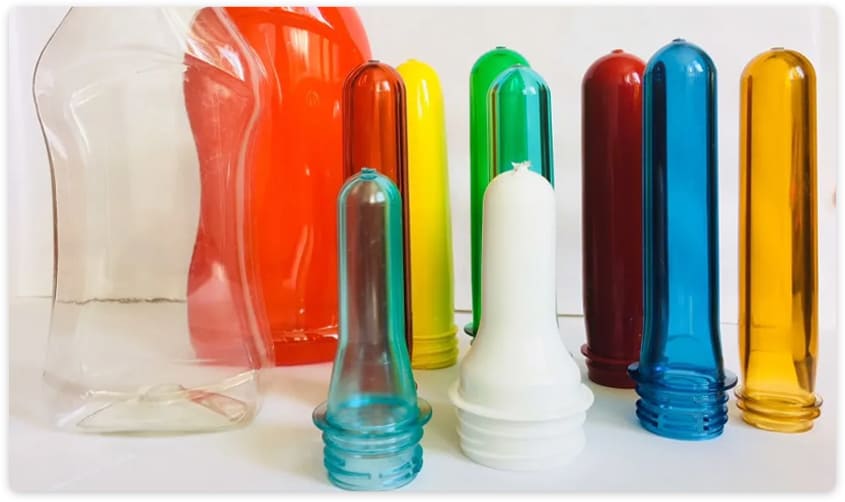
Between 2000 and 2014, the average weight of a 500ml single-serve PET water bottle dropped by 52% — from roughly 19 grams to 9.25 grams. That's not a rounding error. It's the result of sustained, ind...



en
Between 2000 and 2014, the average weight of a 500ml single-serve PET water bottle dropped by 52% — from roughly 19 grams to 9.25 grams. That's not a rounding error. It's the result of sustained, ind...
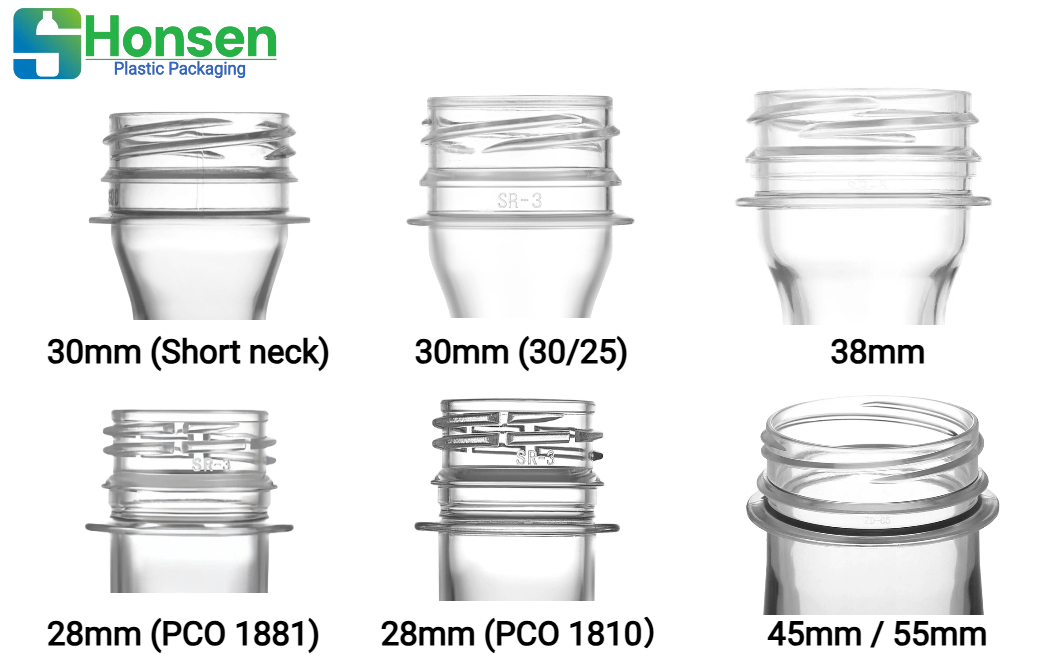
PET prefoems are not a one-size-fits-all product. Different bottls require different neck finishes, weighrt, and capacities. Choosing the PET preform specification is essential for ensuring bottle, pr...
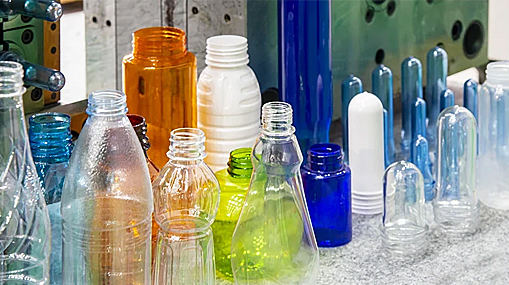
Two preforms. Same gram weight. Same neck finish. Same stated dimensions on the spec sheet. But one produces consistent, high-clarity bottles at 98% line efficiency — and the other causes wall whiten...
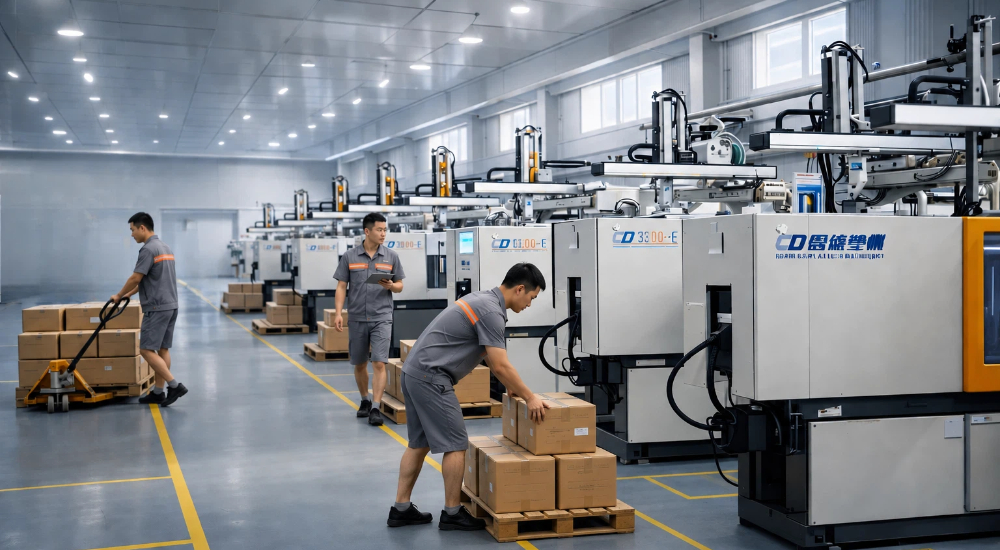
Welcome to Honsen Packaging Co., Ltd.— Inside Our PET Preform Manufacturing ProcessHave you ever wondered how high-quality PET preforms are made?At Honsen Packaging Co., Ltd. ,every PET preform goes ...
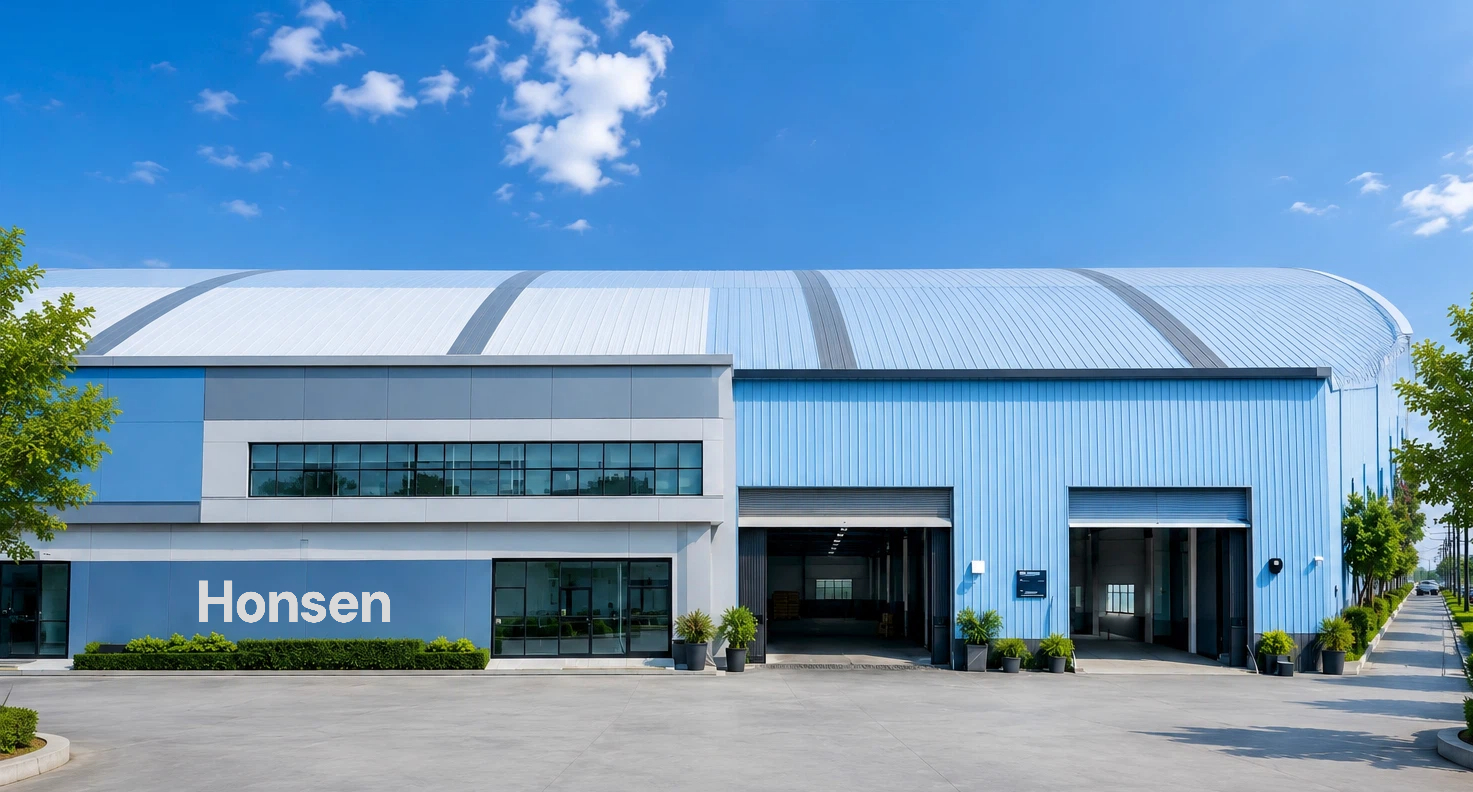
Honsen Packaging Co,.Ltd specializes in the development, manufacturing, and supply of PET prefiorms, providing professional and efficient packaging solutions for bottled water , carbonated beverages,...
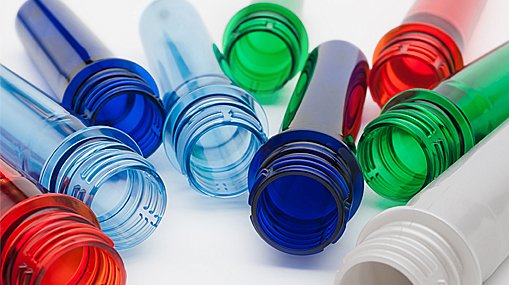
Shaving a single gram off a PET preform sounds trivial. Multiply that gram across 500 million bottles a year, and you've just recovered enough resin to fill a warehouse. That's the fundamental arithm...
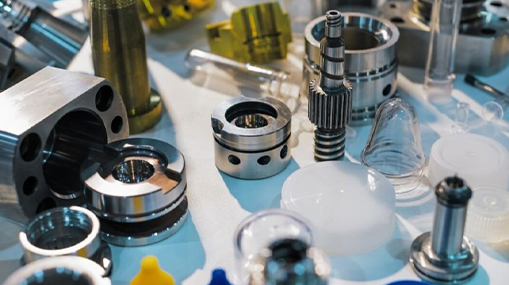
A 0.5mm groove cut into a bottle preform's neck finish is easy to overlook. Yet that groove — the notch — directly determines whether your filling line runs clean, fast, and uninterrupted, or struggl...
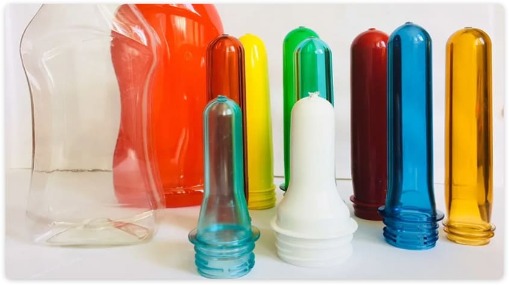
Three millimeters can make or break a production line. Specify the wrong preform neck finish, and you're looking at misfitting caps, pressure failures, or a pouring experience that drives consumers a...
Pick up any bottle on a store shelf—water, cooking oil, shampoo, or a sports drink—and there's a good chance it started life as a PET preform. That small, test-tube-shaped piece of plastic is the fou...
Copyright © Foshan Honsen Plastic Industry Co., Ltd. All Rights Reserved. PET Preform Manufacturers