

 English
Custom PET Preform Services: What We Can Do for Your Packaging
Content
- 1 Why Custom PET Preforms Matter for Your Packaging Line
- 2 What You Can Customize: A Full Breakdown
- 3 From Sample to Scale: Our Service Process
- 4 Matching Preforms to Your Application
- 5 Complete Your Line: Matching Bottle Caps
- 6 Quality You Can Rely On
- 7 Sustainability: rPET Options and What They Mean for Your Brand
- 8 How to Get Started
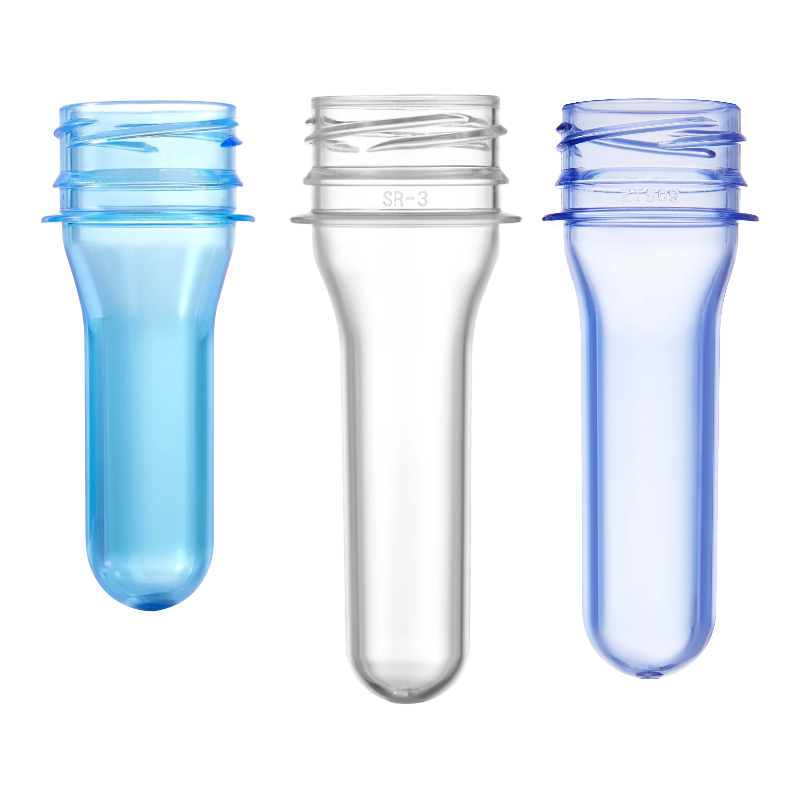
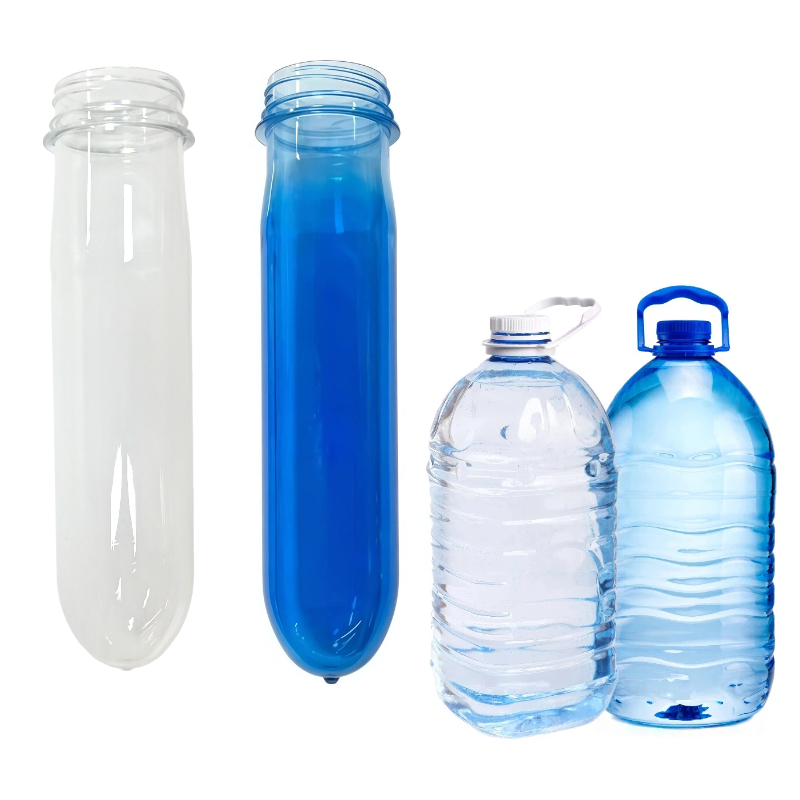
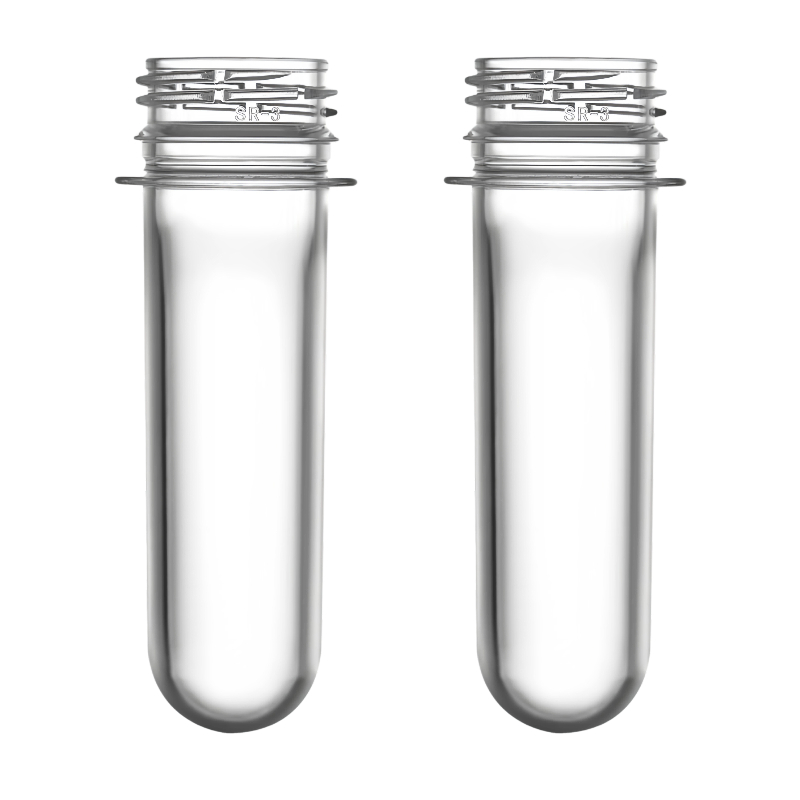
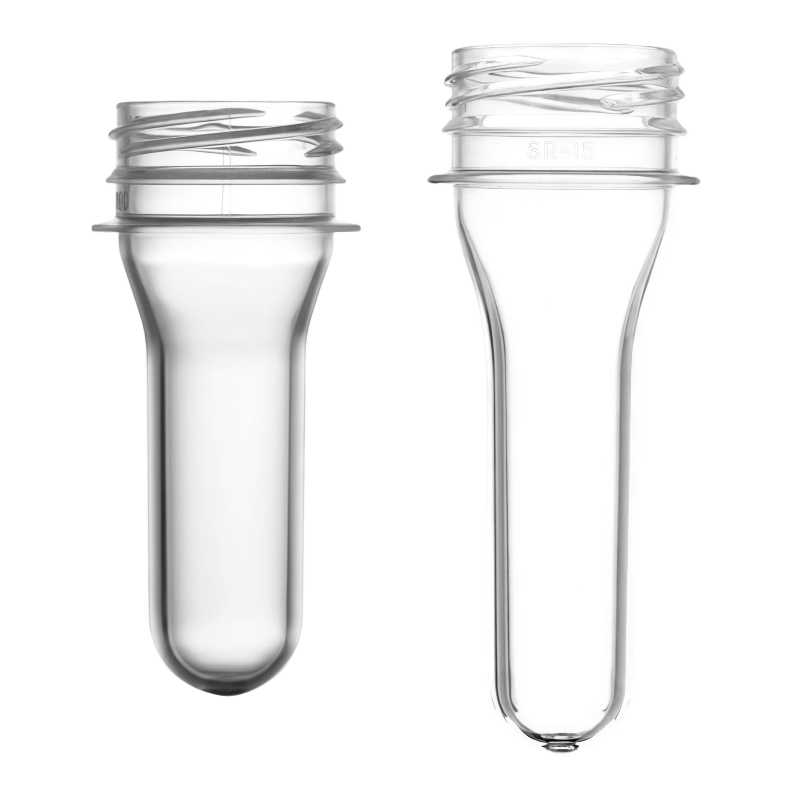
Pick up any bottle on a store shelf—water, cooking oil, shampoo, or a sports drink—and there's a good chance it started life as a PET preform. That small, test-tube-shaped piece of plastic is the foundation of modern rigid packaging. But not every product fits a standard mold. Weight requirements differ. Neck finishes vary by filling equipment. Brand colors matter. That's where custom PET preform services come in—and it's exactly what we do.
This guide walks through every dimension of what we offer: what you can customize, how the process works, which applications we serve, and how to get started.
Why Custom PET Preforms Matter for Your Packaging Line
Standard, off-the-shelf preforms solve a narrow problem. They work well for generic water bottles in common sizes, but most product categories demand something more specific. A carbonated beverage needs a preform engineered to handle pressure. A hot-fill juice product requires a different wall thickness and neck geometry. An edible oil brand with a 1.8L container needs a weight spec that balances material cost against structural integrity.
Using a mismatched preform doesn't just create quality issues—it creates production waste, higher reject rates, and slower line speeds. Custom preforms eliminate that friction by matching your bottle mold, filling process, and product requirements from the start. The result is a tighter, more efficient production line and packaging that performs consistently at scale.
What You Can Customize: A Full Breakdown
Customization isn't just about color. Every structural and material dimension of a preform can be tailored to your needs. Here's what that looks like in practice:
Neck Finish and Thread Standard
The neck finish determines which caps fit, how your filling line operates, and whether your bottles meet international distribution standards. We produce preforms across all major neck specifications. Our 28mm PCO 1881 and PCO 1810 preform specifications cover the most widely used standards in beverage packaging globally. For products requiring wider openings—edible oils, dairy, bulk liquids—our 38mm wide-mouth preform options are engineered for high-flow filling environments.
Preform Weight
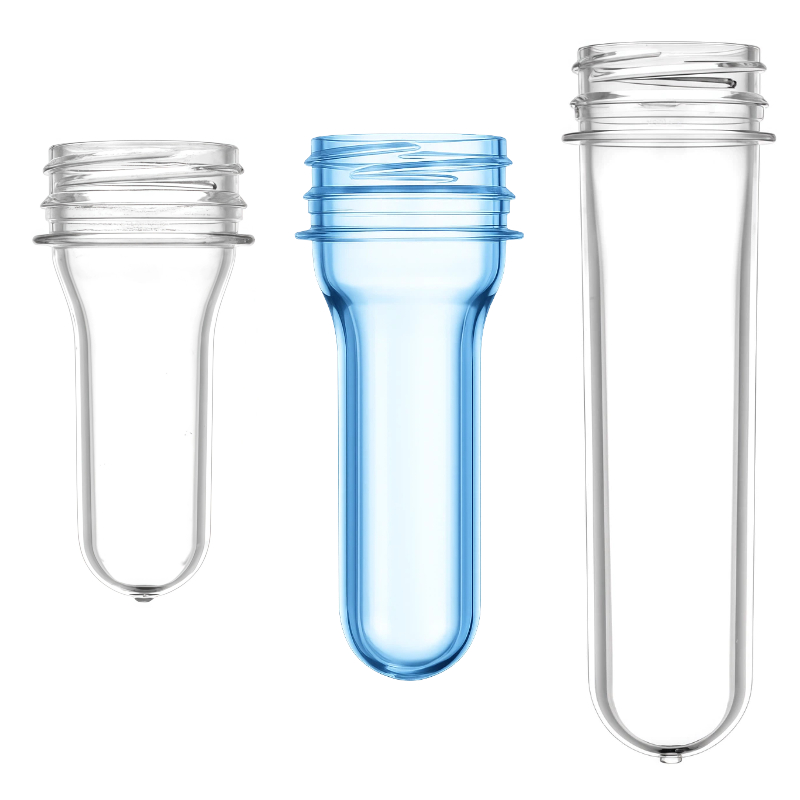
Weight is one of the most commercially significant customization decisions. A few grams per preform multiplied across millions of units has a direct impact on material cost and logistics. We help you identify the right weight for your target bottle volume and wall thickness requirements. For a detailed reference, our preform weight selection guide by bottle volume walks through the matching logic for common container sizes.
Color and Additives
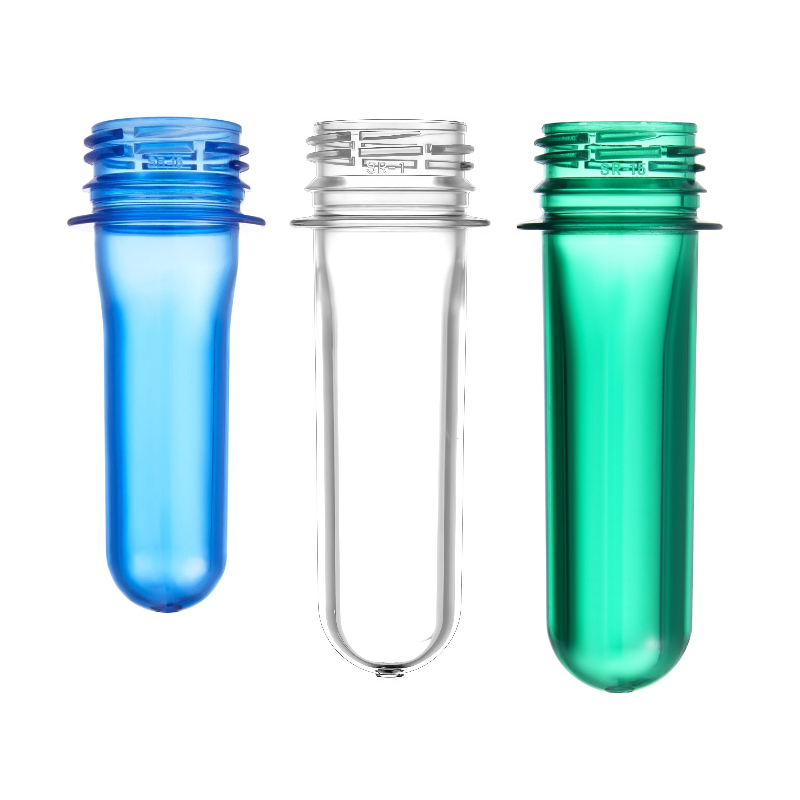
Clear preforms are the default, but brand differentiation increasingly happens at the packaging level. We offer custom color matching using masterbatch formulations—from classic green and blue to bespoke brand colors. Beyond aesthetics, functional additives are available: UV blockers to protect light-sensitive contents, oxygen scavengers for extended shelf life, and barrier-layer options for enhanced product protection. To understand how these choices affect brand differentiation without sacrificing yield, see our analysis on how preform color and cap style affect brand differentiation.
Wall Geometry and Stretch Ratio
The internal geometry of a preform—its wall distribution, gate design, and stretch ratio—determines how evenly material distributes during blow molding. We engineer these parameters to your bottle mold specifications, ensuring consistent wall thickness and optimal material efficiency across every blow cycle.
From Sample to Scale: Our Service Process
Getting a custom preform from concept to production doesn't have to be a months-long process. We've built our workflow to move quickly at each stage while maintaining the accuracy that keeps your production line running cleanly.
| Stage | What Happens | Typical Timeline |
|---|---|---|
| Requirements Review | We confirm neck finish, weight, color, application type, and volume forecast | 1–3 business days |
| Design & Specification | Technical drawings and material spec sheet prepared for your approval | 3–5 business days |
| Sample Production | First samples produced and shipped for blow molding trial and quality check | 7–15 business days |
| Mass Production | Approved spec enters scheduled production runs with consistent batch QC | Per order volume |
Throughout the process, you have a single point of contact who tracks your order from specification confirmation through delivery. No handoffs between departments that leave you chasing updates.
Matching Preforms to Your Application
Different filling processes place fundamentally different demands on a preform. A preform that performs perfectly on a cold-fill water line may fail completely on a hot-fill juice line. We engineer preforms to the specific mechanical and thermal requirements of your application.
- Carbonated beverages (CSD): Require higher wall thickness and optimized neck geometry to handle internal pressure during filling and transport. The preform design must resist creep and deformation under sustained pressure loads.
- Still water and non-carbonated beverages: Lighter preform weights are viable, enabling significant material savings at scale. Clarity and consistent wall distribution are the primary quality parameters.
- Hot-fill products (juices, teas, isotonic drinks): Demand heat-resistant PET grades and specific wall thickness profiles that prevent bottle collapse during the filling process and vacuum formation during cooling.
- Edible oils and condiments: Typically use wider neck finishes with higher barrier requirements. Oxygen barrier additives are often specified to extend product shelf life.
- Household and personal care products: Prioritize visual clarity, custom colors, and UV protection. Compatibility with pump closures and trigger caps requires specific neck finish standards.
For a deeper look at engineering differences across filling types, our article on how hot-fill, cold-fill, and carbonated applications require different preform designs covers the key technical parameters in detail.
Complete Your Line: Matching Bottle Caps
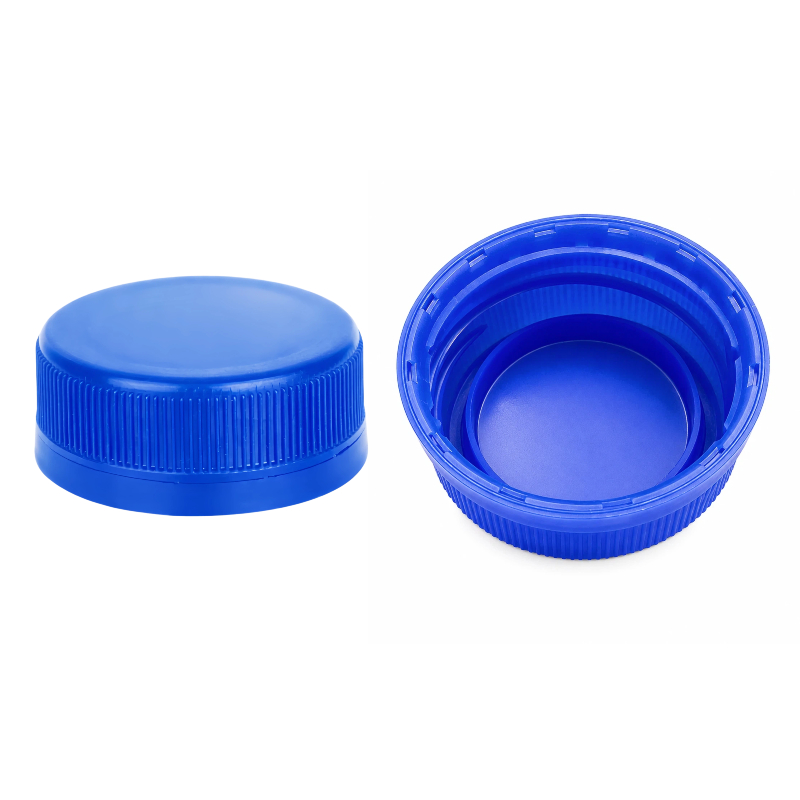
A preform and a cap that don't work together create problems no amount of line tuning can fix. Torque values, tamper-evidence ring engagement, and thread form compatibility all depend on the preform neck finish and cap specification being designed as a matched pair.
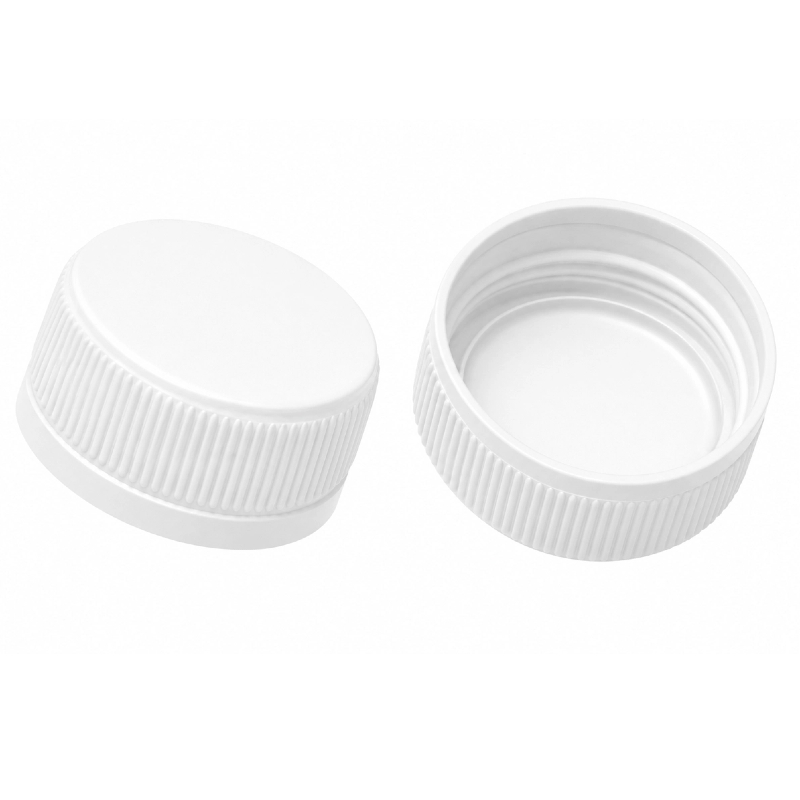
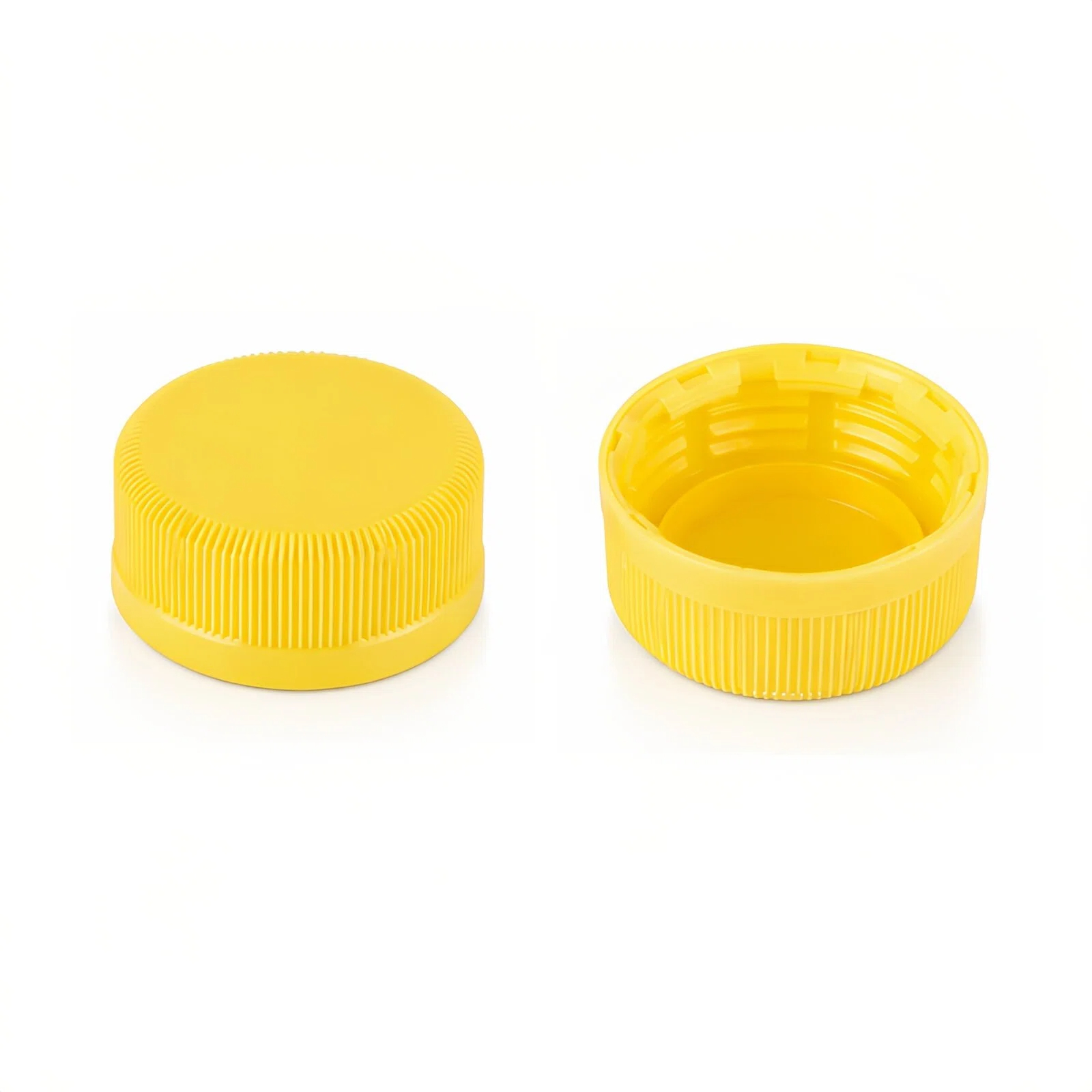
We supply matching 28mm bottle caps and closures across our full neck finish range, so you can source preforms and caps from a single supplier. This eliminates the compatibility risk that comes with mixing components from different manufacturers, simplifies quality accountability, and reduces your supplier management overhead. Whether you need standard screw caps, sports caps, or tamper-evident closures, we can spec the right combination for your line.
Quality You Can Rely On
Consistency is the quality metric that matters most in high-volume packaging. A preform that passes incoming inspection but varies by 0.3g across batches will create blow molding irregularities that are expensive to diagnose and correct downstream.
Our quality control system addresses this at three levels. Raw material: we use food-grade PET resin from certified suppliers, with incoming inspection on every batch for IV value, moisture content, and contamination. Process: our injection molding parameters are set and monitored per approved production spec, with in-cycle dimensional checks. Finished product: preforms are inspected for weight consistency, wall thickness uniformity, gate quality, and surface defects before packaging for shipment.
Each production run ships with a quality report. If something falls outside specification, you'll know before the shipment leaves our facility—not after it arrives at yours.
Sustainability: rPET Options and What They Mean for Your Brand
Packaging sustainability is no longer a niche concern—it's a procurement requirement for major retailers and a compliance obligation in a growing number of markets. The EU's Single-Use Plastics Directive, recycled content mandates in North America, and extended producer responsibility frameworks are reshaping what brands need from their packaging suppliers.
We offer preforms produced with post-consumer recycled PET (rPET) content, available across our standard neck finish range. rPET preforms carry the same dimensional specifications and mechanical performance as virgin PET equivalents when produced with food-grade certified recycled resin. The market context is significant: the recycled PET packaging sector was valued at over $9 billion in 2025 and is projected to more than double by 2036, driven by regulatory pressure and brand commitments to reduce virgin plastic use. (recycled PET packaging market size and forecast data)
If your brand has set recycled content targets or needs to meet retailer sustainability scorecards, we can help you identify the right rPET blend level and certify material traceability through your supply chain documentation.
How to Get Started
The fastest way to move forward is to send us your current bottle spec or describe your target container. From there, we'll confirm the neck finish, propose a weight range, and outline the sample timeline. Most new custom projects have samples ready within two to three weeks of specification sign-off.
Before you reach out, it's worth reviewing our wholesale pricing and bulk ordering considerations to understand how volume, spec complexity, and lead time interact in pricing discussions. Coming to the conversation with a rough volume forecast—even a range—will help us give you an accurate quote on the first pass.
We work with brands at every stage, from small-batch custom development to full-scale supply contracts. Contact our team to request samples or a quotation—and let's figure out exactly what your packaging line needs.