

 English
How Far in Advance Should You Order PET Preforms for Peak Season?
Content
Why Peak Season Timing Matters for PET Preform Orders
For beverage brands, bottled water producers, and food packaging operations, peak season is not the time to discover a supply gap. Whether demand surges in summer for cold drinks, during a major holiday, or around a promotional launch, the packaging supply chain needs to be prepared well before orders start flooding in.
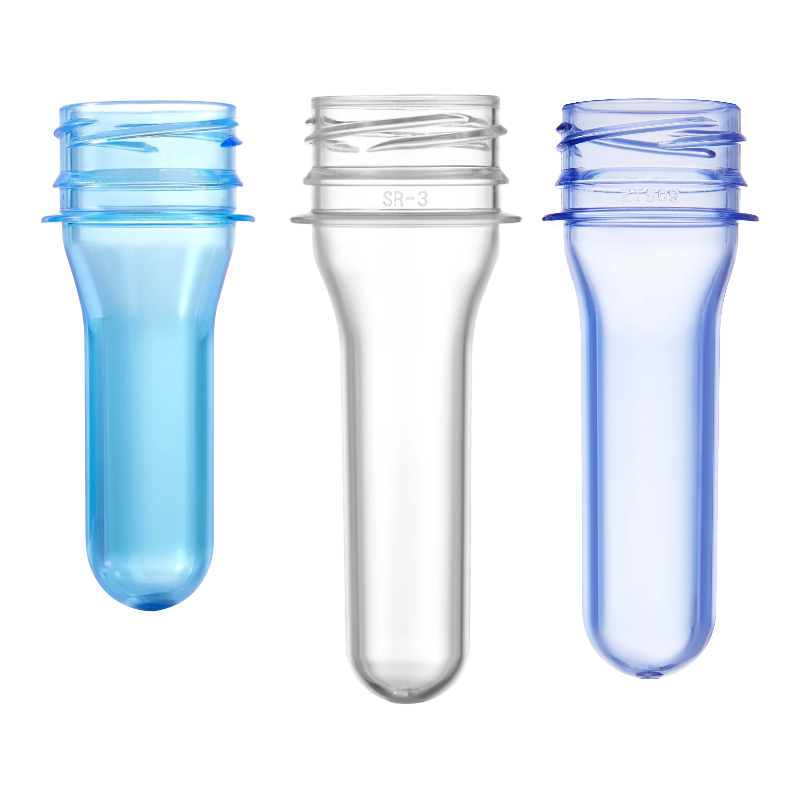
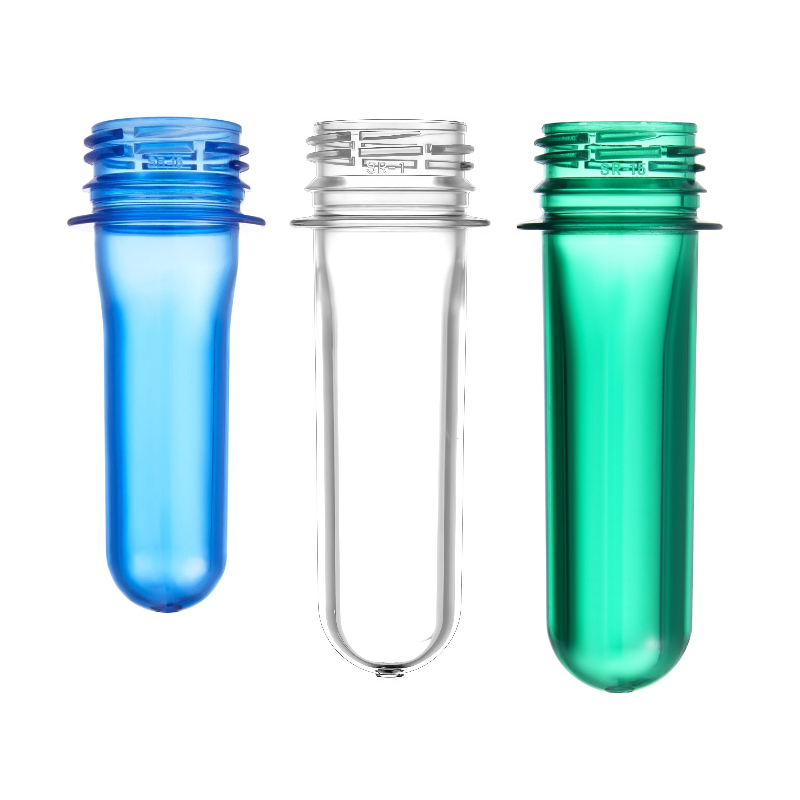
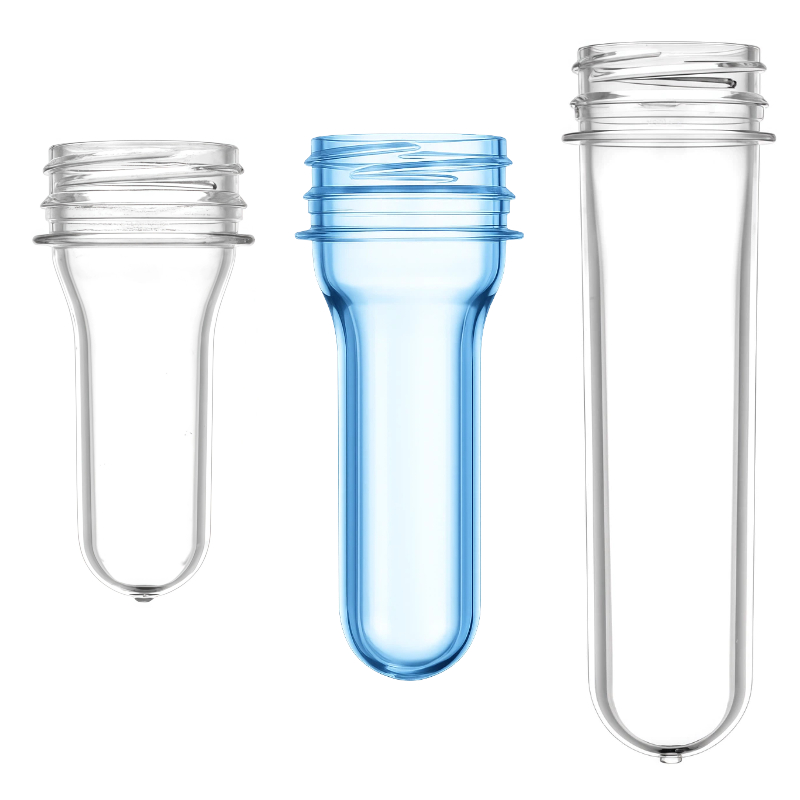
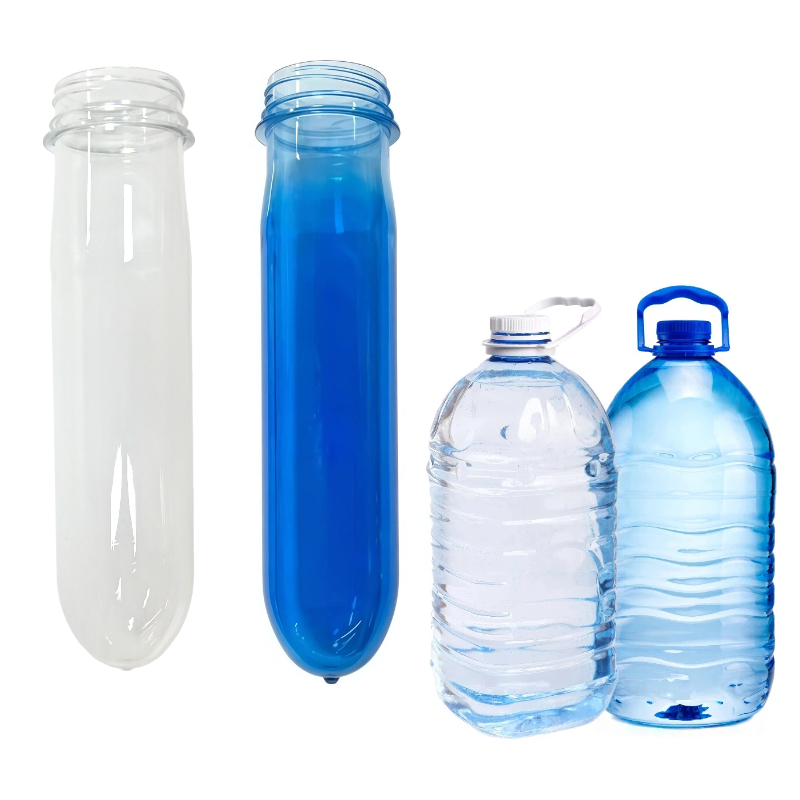
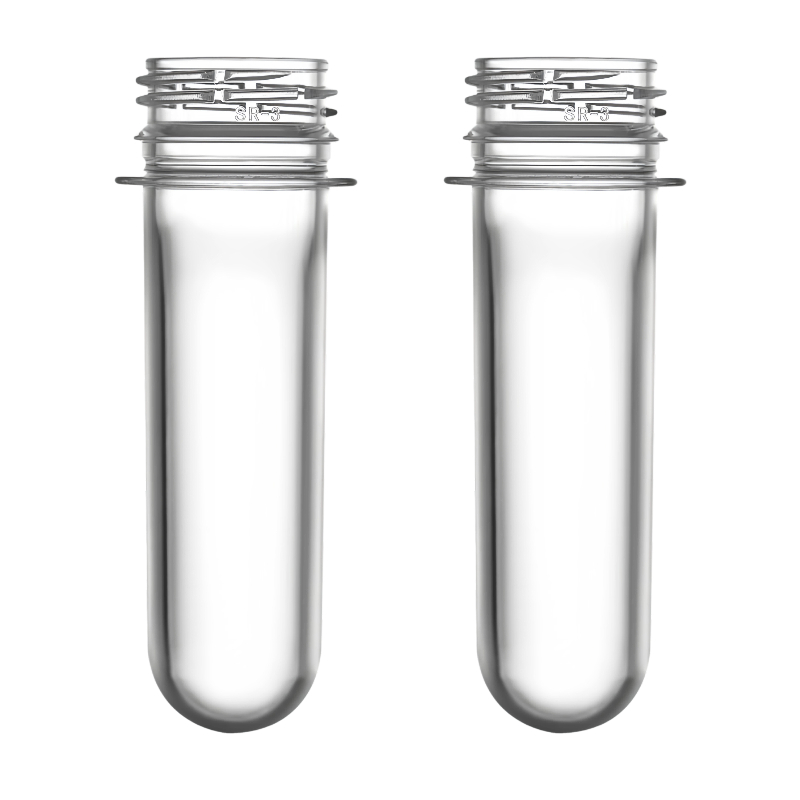
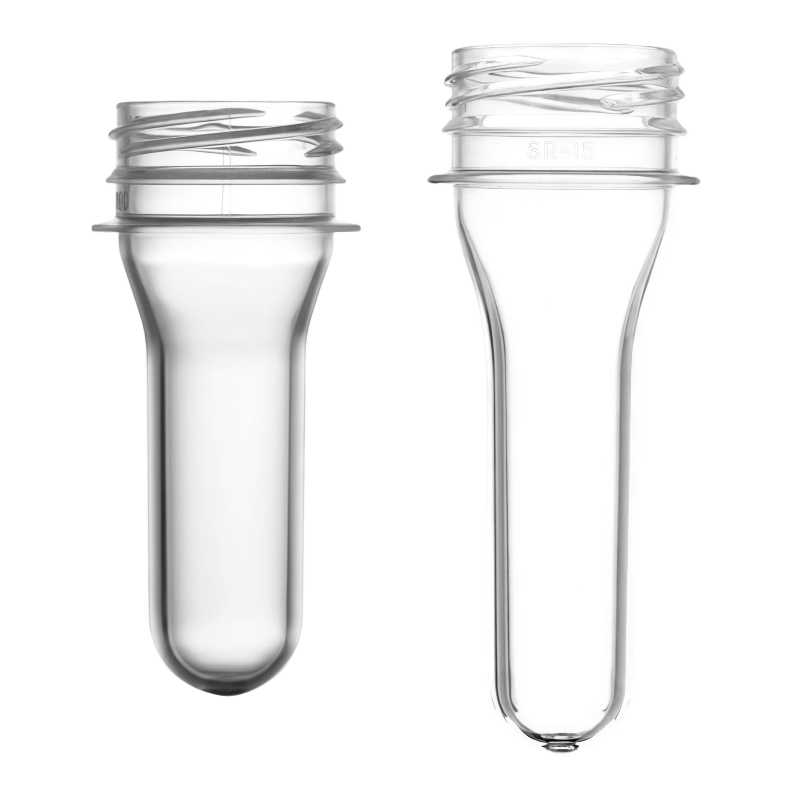
PET preforms are a foundational input in bottle manufacturing. Every blow-molded bottle starts as a preform — a small, tube-shaped, injection-molded component made from PET resin. Without an adequate and timely supply of preforms, production lines stall regardless of how much resin, equipment, or labor is available. Getting your preform order placed at the right time is one of the most consequential supply chain decisions a bottler makes each year.
This guide breaks down realistic lead times, the variables that affect them, and how to build a practical peak season ordering calendar that keeps production on schedule.
Understanding PET Preform Lead Times
Lead time for PET preforms varies significantly based on whether you are ordering from existing stock, requesting light customization, or commissioning entirely new mold tooling. These three scenarios each carry very different timelines.
| Order Type | Typical Lead Time | Notes |
|---|---|---|
| Standard/stock preforms | 2–4 weeks | Existing molds, common specs (e.g., 28mm PCO 1881, 30mm, 38mm) |
| Light customization (color, transparency) | 3–8 weeks | Existing mold with color or material adjustment |
| Custom mold + preform production | 45–70 days | New tooling design, sampling, and approval before production begins |
| International shipment (ocean freight) | Add 3–6 weeks | Depends on origin port, destination, and customs clearance |
These timelines represent manufacturer production time only. They do not account for order confirmation, deposit processing, quality inspection, or transit. In practice, adding two to three weeks for administrative and logistics steps is a prudent standard buffer for any cross-border preform order.
How Far in Advance Should You Actually Order?
The honest answer depends on your order type, your supplier's location, and whether peak season overlaps with any industry-wide high-demand periods. That said, industry planning benchmarks offer clear guidance:
- For standard preform orders from domestic suppliers: Place orders 6–8 weeks before your production start date. This allows for production, quality checks, and delivery with a modest buffer for delays.
- For orders from overseas manufacturers (e.g., China-based suppliers): 10–14 weeks is a realistic minimum. Ocean freight from China adds 3–5 weeks on top of production time, and port congestion or customs inspection can extend this further.
- For customized or new-mold preforms: Start the conversation at least 16–20 weeks in advance. Mold design, approval, sample production, and client sign-off each consume time before a single commercial production run begins.
- For large-volume peak season orders: Suppliers often prioritize customers who confirm allocations early. Booking production slots 12–16 weeks out helps secure capacity before competitors lock it in.
A useful rule of thumb: if you think you're planning early enough, add four more weeks. The packaging supply chain consistently rewards over-planning and punishes last-minute orders with premium pricing, delayed slots, and stock shortages.
Factors That Can Extend Your Lead Time
Even well-organized orders can run into delays. Being aware of these variables lets you build smarter buffers into your procurement calendar.
- PET resin availability: Preform manufacturers source PET resin as a raw input. Resin price volatility and supply tightness — particularly during periods of high global demand — can slow production scheduling at the supplier level.
- Chinese New Year and national holidays: Manufacturers in China typically shut down for 2–3 weeks during the Lunar New Year (January–February). Orders placed in December may not enter production until mid-February, adding significant unplanned delay for brands that rely on Chinese suppliers.
- Preform moisture sensitivity: PET is a hygroscopic material, meaning it absorbs moisture from the air over time. Preforms stored for extended periods — particularly in humid conditions — can develop quality issues that affect blow molding performance. This creates an upper limit on how far in advance you can receive and store preforms, typically 3–6 months under controlled storage conditions.
- Port congestion and freight capacity: Ocean freight can become significantly less predictable during global supply chain stress. Building a 1–2 week contingency into your transit estimate is prudent for international orders.
- Supplier production queue depth: During peak seasons, high-volume suppliers may have their production schedules fully committed weeks in advance. Late-arriving purchase orders may be queued behind existing commitments, adding delays beyond the stated standard lead time.
Building a Peak Season Order Timeline
Working backwards from your production start date is the most reliable method for setting a preform order deadline. The following example uses a summer peak season with a target production date of June 1 and assumes sourcing from an overseas manufacturer.
- June 1 — Production begins. Preforms must be on-site, inspected, and ready for the blow molding line.
- May 15 — Preforms arrive at facility. Allow two weeks for receiving, inspection, and any quality hold clearance.
- April 15 — Vessel departs origin port. A 4-week ocean transit is typical for China-to-destination routes.
- April 1 — Order leaves manufacturer. Finished goods ready for export, documents prepared.
- March 1 — Production begins at manufacturer. Standard preform production runs 2–4 weeks.
- February 15 — Order confirmed, deposit paid. Supplier allocates production slot; resin procurement begins.
- February 1 — Purchase order submitted. Fourteen weeks before the production start date.
For custom preforms requiring new tooling, add 6–8 weeks before step 6 to account for mold design, sampling, and client approval. In that scenario, the order process would begin in early December — nearly six months before the production start.
Work with a Reliable PET Preform Supplier
Lead time planning is only as effective as the supplier relationship behind it. A manufacturer with deep stock of standard preforms, transparent production schedules, and responsive communication can compress timelines considerably — especially for recurring buyers who establish annual purchasing frameworks.
Key criteria to evaluate when choosing a supplier for peak season orders include: production capacity and ability to scale, availability of the specific neck finishes and gram weights your blow molding machines require, quality consistency across large batches, and responsiveness when order volumes or timelines shift.
Honsen Plastic Industry offers a range of standard PET preforms in common specifications including 28mm (PCO 1881 / PCO 1810), 30mm, and 38mm neck finishes — suitable for mineral water, carbonated beverages, and other bottled drink applications. Working with a supplier who maintains active molds across your required specifications reduces both lead time and tooling risk.
For questions about order quantities, minimum order volumes, customization options, or production availability ahead of your peak season, reviewing the FAQ or reaching out directly to discuss your requirements is the most efficient first step. The earlier that conversation begins, the more options remain on the table.