

 English
Why Mineral Water and Carbonated Drink Preforms Differ
Content
- 1 They are not interchangeable because the bottle requirements are fundamentally different
- 2 Internal pressure changes everything
- 3 Preform weight and material distribution are usually different
- 4 The bottle base for carbonated drinks needs a different performance profile
- 5 Carbon dioxide retention requires tighter packaging control
- 6 Blow molding performance is not the same even if the neck finish matches
- 7 Top load, transport, and temperature also push the designs apart
- 8 Cost savings from substitution often disappear after performance losses
- 9 How to judge whether a preform can cross into another application
- 10 Conclusion
They are not interchangeable because the bottle requirements are fundamentally different
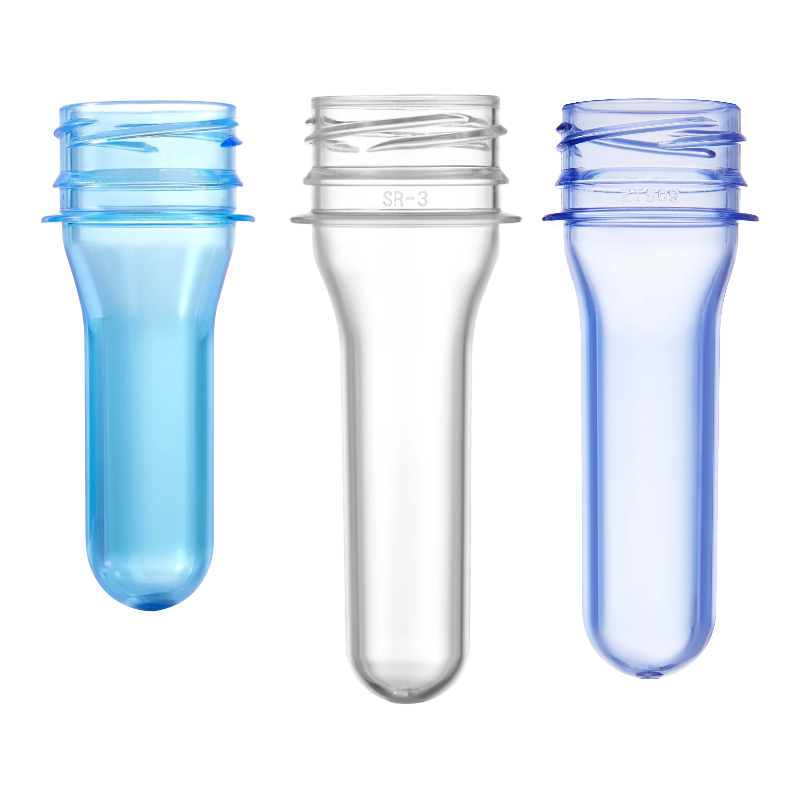
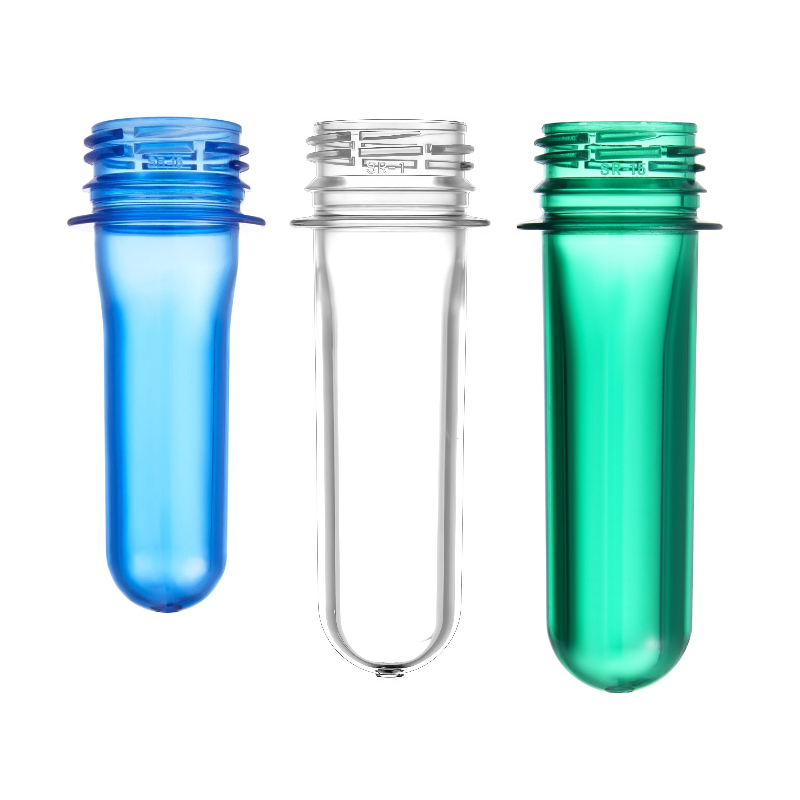
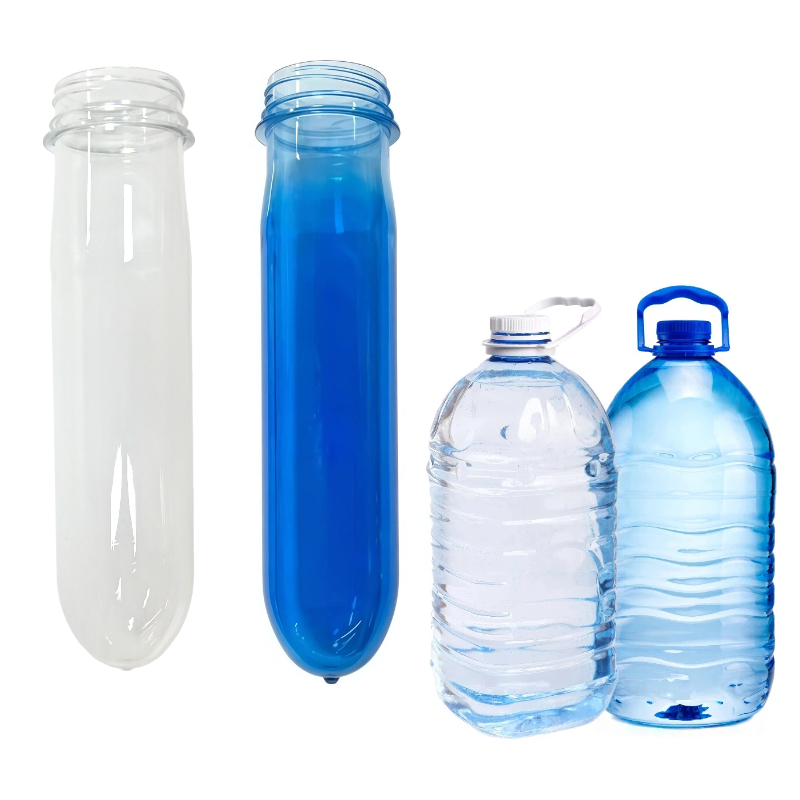
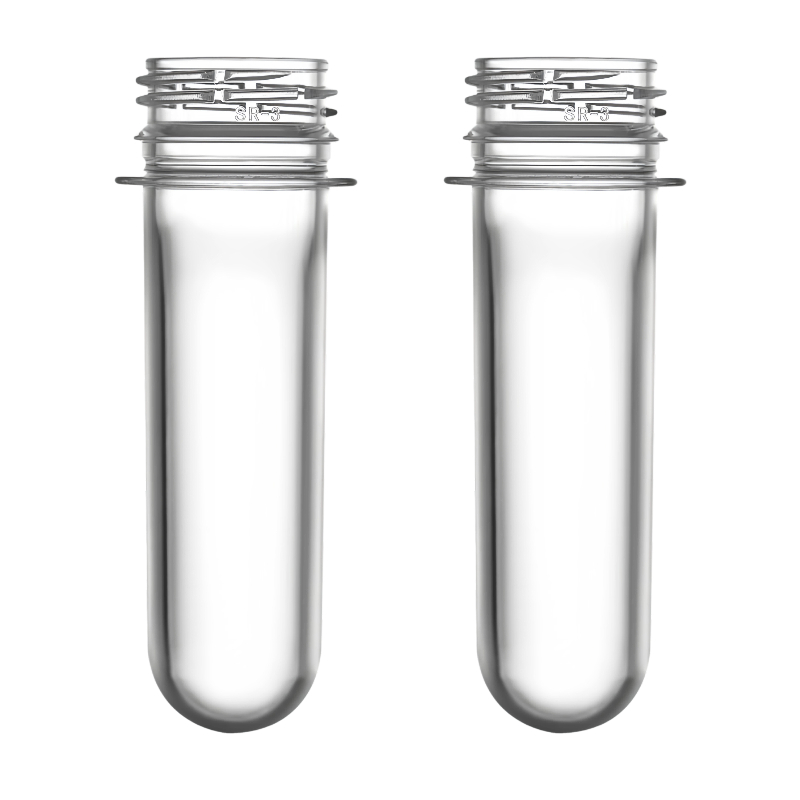
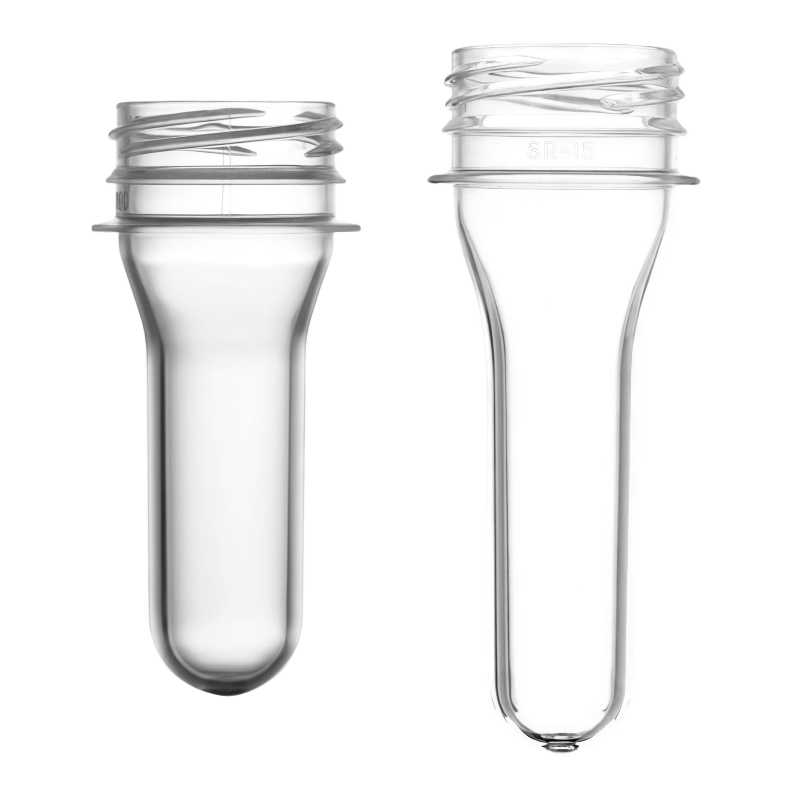
Mineral water and carbonated drink preforms may look similar, but they are designed for different pressure loads, material distribution, and shelf-life demands. In practical production, using a mineral water preform for a carbonated product can lead to paneling, excessive expansion, poor base stability, lower burst resistance, and shortened package life. Using a carbonated drink preform for mineral water is technically possible in some cases, but it usually creates unnecessary resin cost and an inefficient package.
The core reason is simple: still water bottles are built for a near-zero internal pressure environment, while carbonated drink bottles must safely hold continuous internal pressure that commonly sits around 4 to 6 bar at room temperature and can rise further during warm storage or transport. That difference changes how the preform must be designed, stretched, and blown.
Internal pressure changes everything
A mineral water bottle mainly needs to survive handling, stacking, capping, and transportation. A carbonated drink bottle must do all of that while resisting constant gas pressure from dissolved carbon dioxide. That pressure pushes outward on the sidewall, shoulder, and base every day the product sits in the market.
This is why carbonated applications need higher mechanical margins. A preform for such bottles is typically designed to produce:
- thicker and more controlled material distribution in critical zones;
- better resistance to creep under pressure over time;
- a pressure-resistant bottle base geometry;
- greater burst strength and dimensional stability.
If those requirements are ignored, the bottle may look acceptable immediately after blowing, but performance can deteriorate during filling, storage, transport, or exposure to higher temperatures.
Preform weight and material distribution are usually different
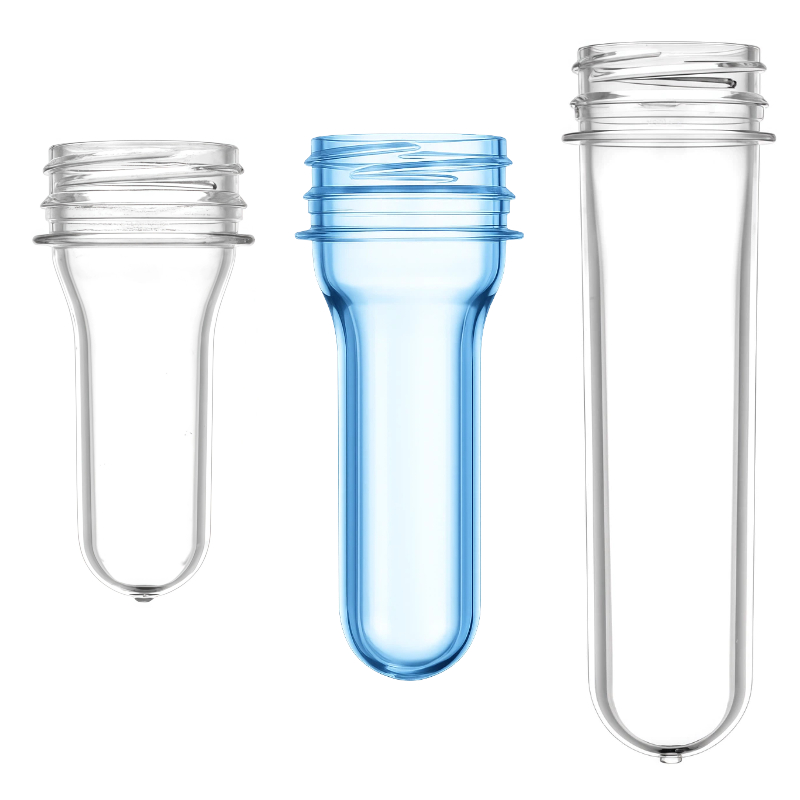
Preform interchangeability is not only about total gram weight. It is also about where that material ends up after stretch blow molding. Two preforms with similar neck finishes can behave very differently if the wall profile, gate area, body thickness, or length is different.
In many production setups, a carbonated drink bottle of the same volume as a mineral water bottle will require roughly 20% to 60% more resin, depending on bottle shape, pressure rating, top-load target, and distribution system. Even when the total difference is smaller, the carbonated version usually places more material into the base and lower sidewall, where pressure stress is critical.
Example of how the requirement shifts
| Design factor | Mineral water preform | Carbonated drink preform |
|---|---|---|
| Internal pressure demand | Near zero gauge pressure | Continuous pressure load, often 4-6 bar |
| Typical resin requirement | Lower | Higher for strength and gas retention |
| Base design need | Simple support function | Pressure-resistant geometry essential |
| Risk if underdesigned | Lower top load or denting | Growth, stress whitening, burst, base instability |
The bottle base for carbonated drinks needs a different performance profile
The base is one of the clearest reasons the two preform types are not interchangeable. Still water bottles can use relatively lightweight base structures because they do not have to resist continuous internal pressure. Carbonated drink bottles need a base that can resist outward force without rocking, bulging, or losing stability on the shelf.
That need affects both preform design and blow molding behavior. More resin may be directed toward the gate and bottom region so the final bottle has enough strength in the petaloid or pressure-rated base. A lightweight still-water preform may not supply enough material to this area, especially after stretching.
In real operations, one of the early failure signs is not always an immediate burst. It can be a bottle that slowly changes shape, becomes less stable, or develops visible deformation after being held warm in distribution.
Carbon dioxide retention requires tighter packaging control
Carbonated drinks are not only pressure-sensitive; they are also gas-loss sensitive. If the package loses carbon dioxide too quickly, the product experience changes before the intended shelf life ends. That means the preform and resulting bottle must support a more demanding barrier and dimensional performance target.
A preform optimized for mineral water may not provide the same wall thickness distribution required to slow carbon dioxide loss. Thinner or uneven sections accelerate transmission and can also worsen expansion under pressure. In a long supply chain, even small differences become commercially important.
Why this matters in practice
- Pressure retention and carbonation retention are linked.
- Thin bottle sections can both deform faster and allow gas to escape faster.
- A bottle that passes line inspection on day one can still fail the shelf-life target later.
Blow molding performance is not the same even if the neck finish matches
One common misconception is that preforms are interchangeable as long as the neck finish fits the cap and the bottle mold can accept the preform. In reality, the stretch ratio, heating window, blowing behavior, and final orientation pattern can all shift when the wrong preform is used.
For example, a mineral water preform substituted into a carbonated drink mold may create one or more of the following line issues:
- excessive thinning in the sidewall;
- insufficient material in the base or heel;
- higher variation bottle to bottle;
- reduced burst pressure margin;
- lower process stability at normal production speeds.
This is why trials that look acceptable over a short run can still fail in commercial production, where consistency, warm conditions, and warehouse time expose weaknesses.
Top load, transport, and temperature also push the designs apart
Packaging does not only need to survive filling. It must also survive pallet stacking, truck vibration, warehouse cycling, and retail handling. For mineral water, top-load performance is critical, but the bottle is not also being pushed outward by gas pressure. For carbonated drinks, both forces exist at the same time.
Temperature makes the difference even more important. As product temperature rises, internal pressure can climb noticeably. A bottle that is acceptable at a cool filling hall temperature may show far more stress after warm storage. This is another reason carbonated drink preforms are designed with larger safety margins.
What works for a low-pressure water distribution chain may not remain stable in a carbonated beverage chain exposed to higher temperature swings.
Cost savings from substitution often disappear after performance losses
The reason companies consider interchangeability is usually cost, inventory simplification, or mold compatibility. But a lighter or lower-spec preform can become more expensive if it causes bottle failures, extra quality checks, slower line speed, or higher complaint rates.
A simple cost comparison should include more than resin price:
- scrap and rejected bottles during setup and production;
- lower allowable line speed;
- shelf deformation and transport damage;
- shortened carbonation retention period;
- customer complaints and market returns.
In many cases, a preform that appears cheaper at the purchasing stage becomes more expensive across the full packaging system.
How to judge whether a preform can cross into another application
There is no reliable shortcut based only on appearance. Interchangeability should be judged through measurable packaging performance. Before moving a preform from one beverage category to another, technical teams normally verify the complete package with line and shelf tests.
Minimum checks before considering substitution
- Confirm bottle weight and sectional wall distribution after blowing.
- Measure burst pressure and pressure creep performance.
- Validate base stability after warm storage.
- Check top load after conditioning and transport simulation.
- For carbonated products, evaluate carbon dioxide retention over the intended shelf life.
- Run commercial-speed trials instead of relying only on laboratory samples.
Even then, passing one package size does not automatically mean the same preform works for every bottle geometry. Volume, panel shape, stretch ratio, and distribution route all matter.
Conclusion
Mineral water and carbonated drink preforms are not interchangeable because they are engineered for different pressure, barrier, base, and long-term stability requirements. Still water packaging is optimized for lightweight performance under low internal pressure, while carbonated drink packaging must handle sustained gas pressure, stronger base demands, and stricter retention targets.
The practical takeaway is clear: matching the preform to the beverage category is not a minor packaging preference; it is a structural requirement. Substitution should only be considered after full performance validation, not because the parts look similar or share the same neck finish.