

 English
From Color to Weight: The Complete Process for Custom Branded Preforms
Content
- 1 Color: Translating Brand Identity into a Manufacturable Spec
- 2 Weight: Engineering the Right Balance Between Strength and Cost
- 3 Neck Finish and Structural Specs: Where Function Meets Compatibility
- 4 From Trial Mold to Mass Production
- 5 Quality Control: What to Verify Before Accepting a Shipment
- 6 The Takeaway for Brand Packaging Teams
When brands decide to move beyond standard clear bottles, the real work begins long before production starts. Custom branded preforms involve a series of interconnected decisions — color formulation, weight engineering, neck specification, and quality verification — each one shaping the final bottle that reaches consumers. Understanding this process helps brands avoid costly revisions and align packaging with both product requirements and market positioning.
Color: Translating Brand Identity into a Manufacturable Spec
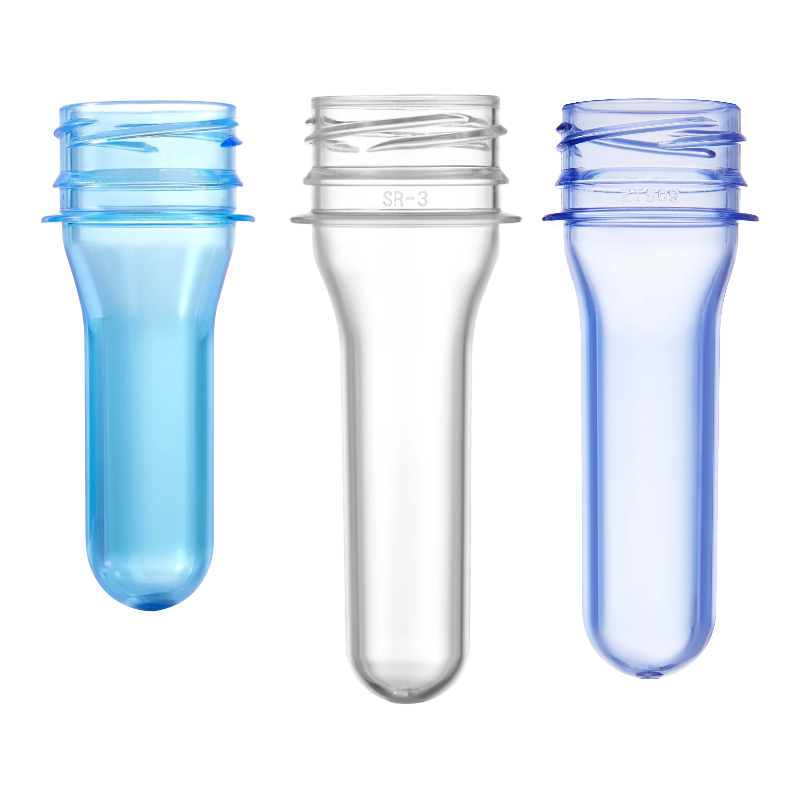
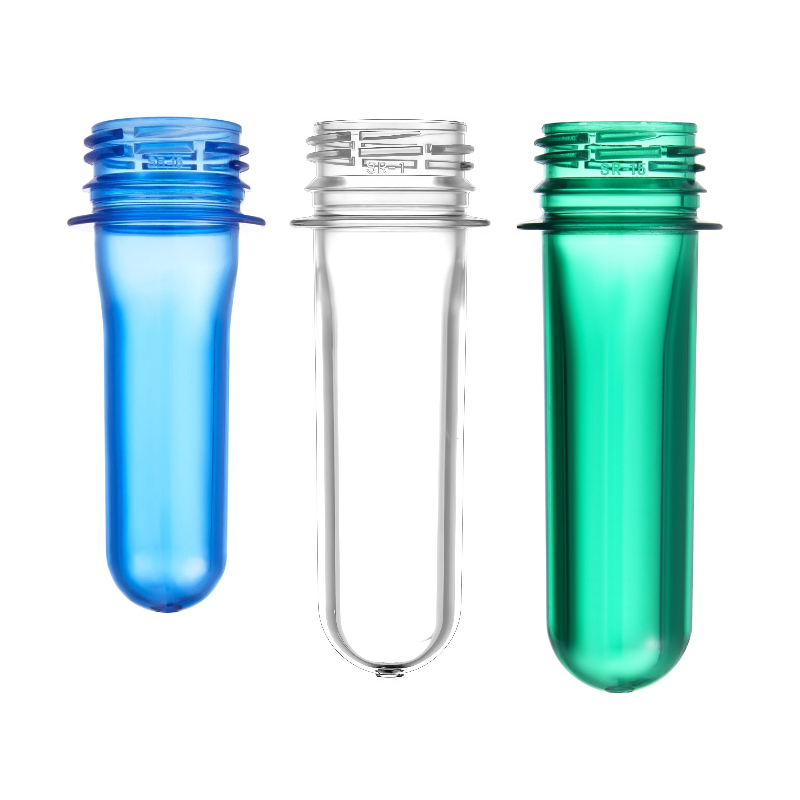
Color is usually the first customization a brand wants to define, but it is also one of the most technically demanding. A Pantone reference or brand color guide must be translated into a specific masterbatch formulation — a concentrated pigment compound blended into the PET resin before molding.
The critical factor is consistency. Across a production run of hundreds of thousands of preforms, the color must remain uniform within an acceptable Delta E tolerance (typically Delta E ≤ 1.0 for premium packaging). Achieving this requires precise masterbatch dosing ratios, stable resin drying conditions, and controlled melt temperatures throughout the injection molding cycle. Learn more about how injection molding color mixing affects batch-to-batch consistency.
Brands also need to decide on opacity. A fully transparent tint communicates product clarity; a semi-opaque or solid color adds premium shelf presence and can provide passive UV protection for light-sensitive contents. These are not purely aesthetic choices — they affect resin formulation and wall thickness requirements.
Weight: Engineering the Right Balance Between Strength and Cost
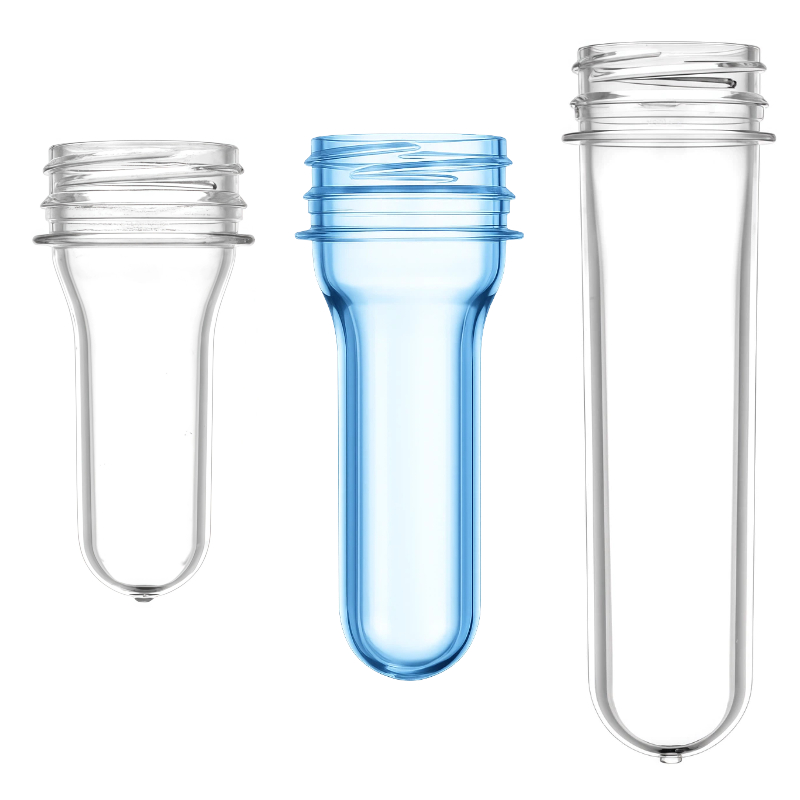
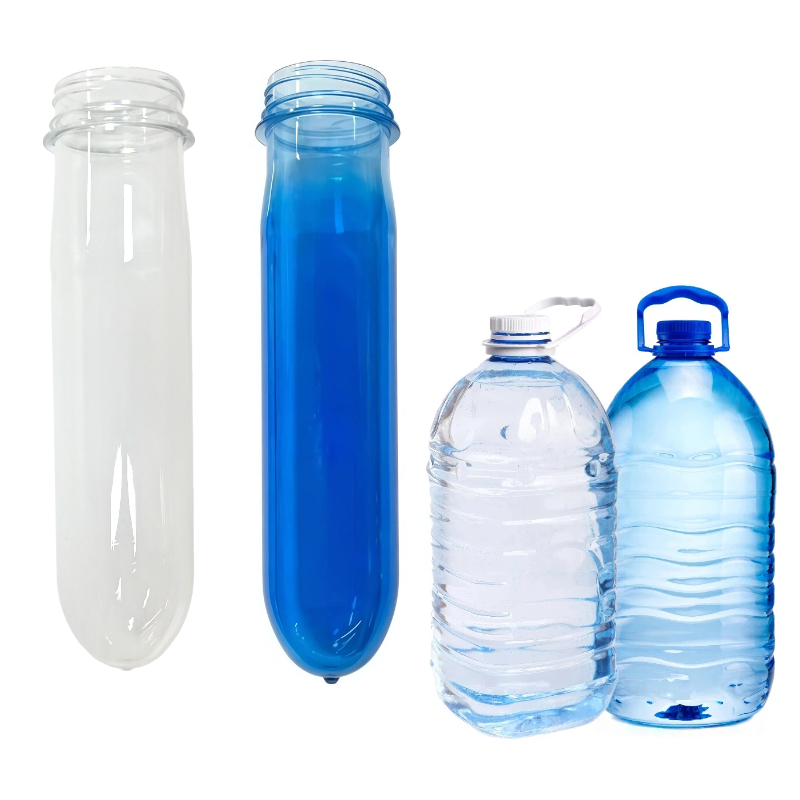
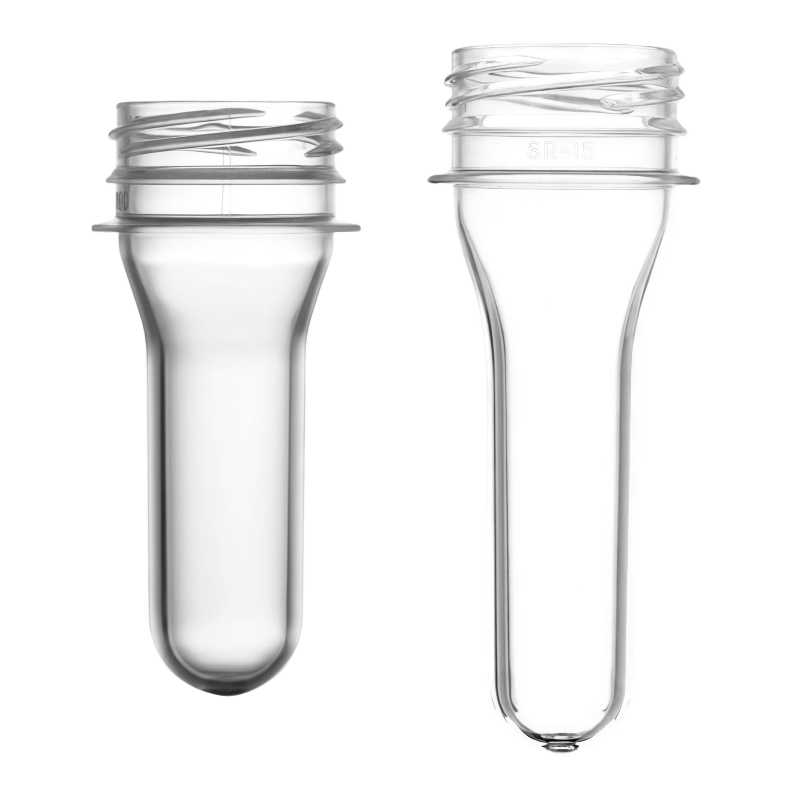
Preform weight — measured in grams — is one of the most consequential decisions in the customization process. It directly determines the wall thickness of the blown bottle, which in turn governs structural strength, top-load performance, drop resistance, and material cost per unit.
A common mistake is treating weight as a secondary variable to be finalized after everything else. In practice, weight must be defined alongside target bottle volume and application requirements. A 500ml still water bottle typically uses a preform in the 18–22g range, while a carbonated beverage bottle of the same volume may require 25–28g to withstand internal pressure. For detailed matching guidelines, refer to which preform weight matches your bottle volume.
From a brand strategy perspective, weight also signals quality. Heavier preforms produce bottles with a denser, more rigid feel — which some premium beverage and personal care brands deliberately choose to reinforce perceived value. Lighter designs reduce material cost and support sustainability goals. Neither is universally correct; the right weight is the one that fits the product, production line, and price point together. See how preform weight impacts bottle production cost before finalizing your spec.
Neck Finish and Structural Specs: Where Function Meets Compatibility
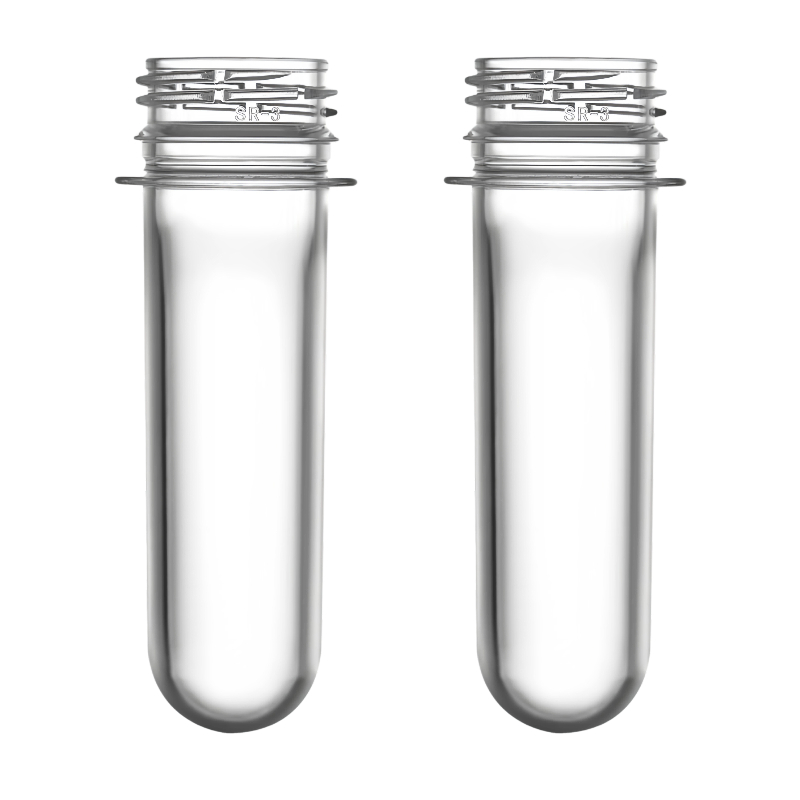
Beyond color and weight, the neck finish is the specification that cannot be changed without replacing the entire mold. The neck determines which caps and closures are compatible, how the bottle integrates with filling lines, and whether it meets regulatory or customer-specific requirements.
The most widely used standards include PCO 1881 and PCO 1810 for 28mm beverage bottles, 30/25 for mid-range applications, and 38mm for wider-mouth containers including sports drinks and condiments. Each has a defined thread profile, support ledge height, and tamper-evidence configuration. Mismatching a preform neck to a closure system — even by a fraction of a millimeter — causes sealing failures and production downtime. Our PET preforms product range covers all major neck standards with verified dimensional tolerances.
Wall thickness distribution and overall preform length are also specified at this stage, as they govern how material stretches during blow molding and determine the final bottle's dimensional accuracy.
From Trial Mold to Mass Production
Once specifications are locked, the manufacturer develops or adapts tooling. For fully custom preforms, this means new mold fabrication — a process that typically takes 4–8 weeks depending on cavity count and complexity. Trial shots produce initial samples for dimensional verification, color matching, and blow molding trials on the buyer's equipment.
First article inspection (FAI) is a mandatory checkpoint, not an optional step. It confirms that the preform meets all agreed specifications before production scaling begins. Changes requested after FAI — particularly to neck geometry or wall thickness — may require mold rework, which adds both cost and lead time. Brands that invest in thorough FAI review avoid the much larger cost of a failed production batch.
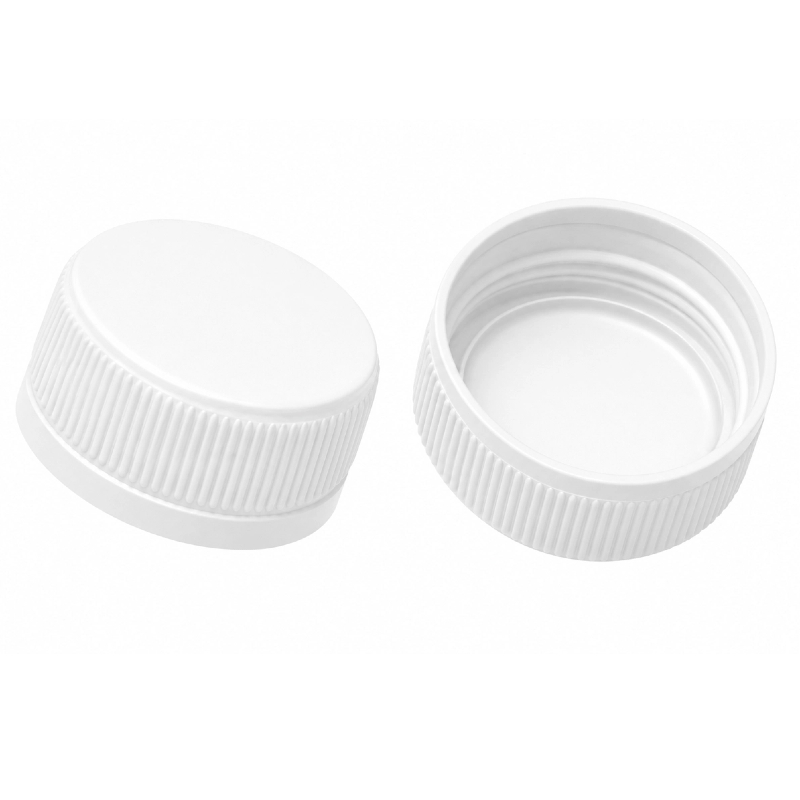
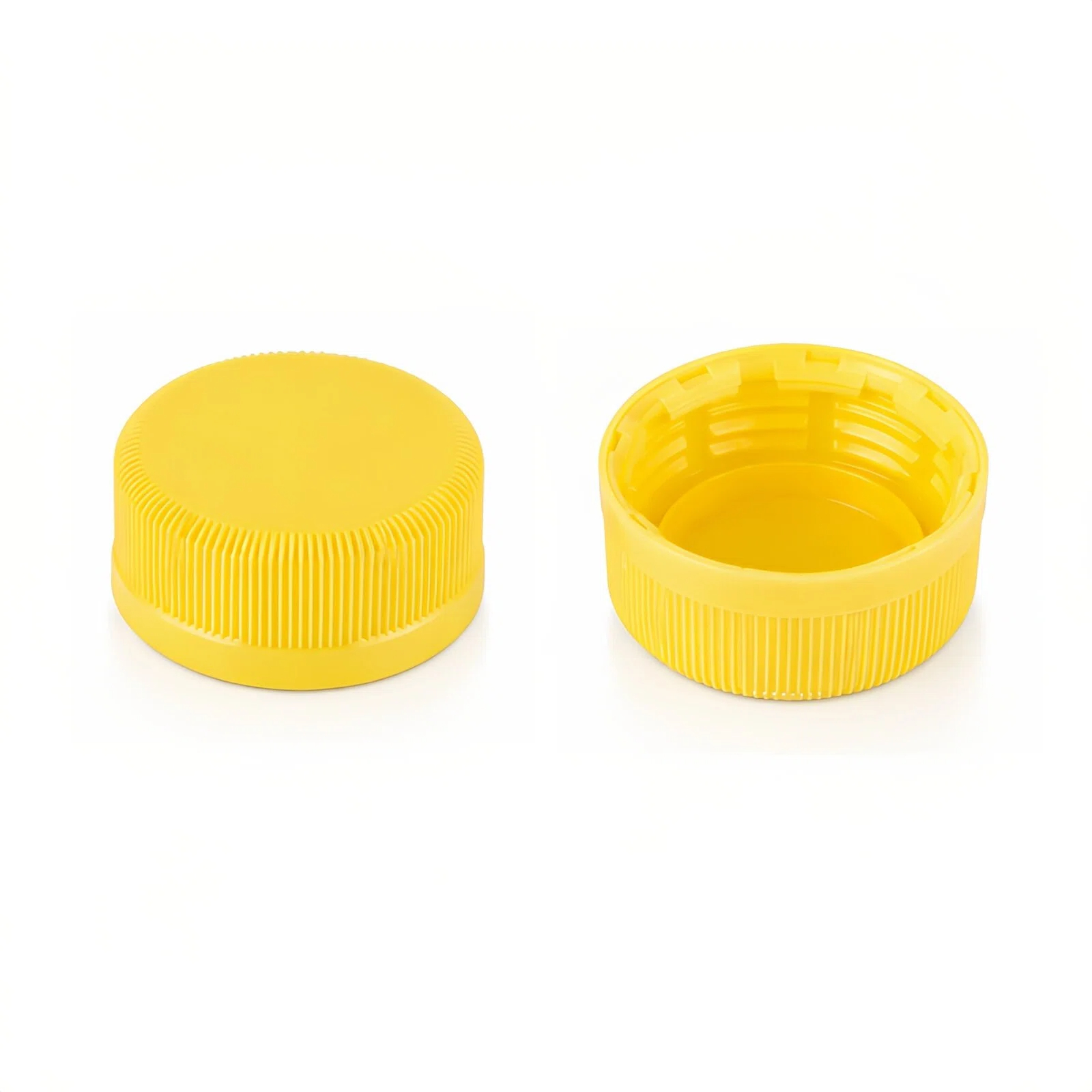
For brands evaluating custom preform color and cap style combinations, it is worth running color and closure compatibility checks during the trial phase simultaneously, rather than sequentially, to compress the development timeline.
Quality Control: What to Verify Before Accepting a Shipment
Production-stage quality control for custom preforms covers three primary dimensions. First, dimensional accuracy: neck outer diameter, thread pitch, support ledge height, body length, and wall thickness are all measured against specification limits. Second, weight consistency: each preform should fall within ±0.3g of the target gram weight to ensure uniform blow molding output. Third, visual and surface inspection: gate marks, sink marks, color streaking, and contamination are checked against agreed acceptable quality levels (AQL).
Buyers sourcing at volume should request batch-level quality documentation — including process parameter records and inspection reports — as part of the delivery package. This data supports traceability and makes it significantly easier to diagnose any issues that arise during the buyer's own blow molding or filling operations. For a complete checklist, review the key factors to consider before ordering PET preforms.
The Takeaway for Brand Packaging Teams
Custom branded preforms are not simply a color change applied to a standard product. Every variable — from the masterbatch formula to the gram weight to the neck thread — is an engineering decision that affects the entire downstream production chain. Brands that approach this process with clear specifications, realistic lead time expectations, and a supplier capable of transparent communication at each stage will consistently achieve better results: packaging that performs reliably, looks exactly as intended, and scales without surprises.