The Hidden Cost of the Wrong Cap A single packaging line running 20,000 units per hour does not stop for a leaking cap — it ships them. The downstream consequences are familiar to anyone in beverage ...
A cracked bottle neck on a filling line. A hazy beverage container rejected at the retail shelf. A batch of preforms that simply won't blow into uniform shapes. In most of these cases, the root cause...
For beverage brands producing at scale, packaging cost is not a fixed number — it is an engineering outcome. The decisions made at the preform design stage, long before a single bottle reaches the fi...
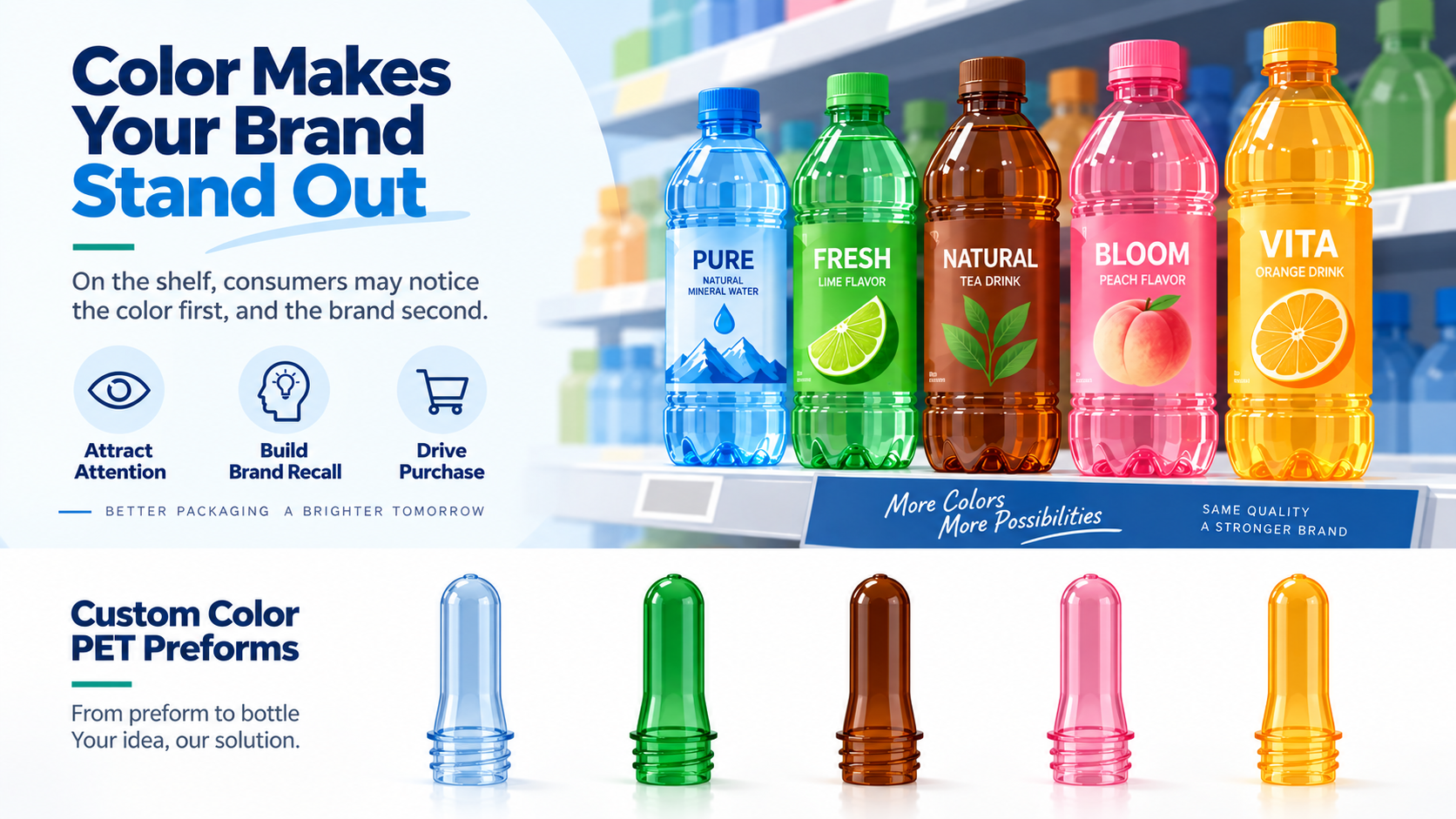
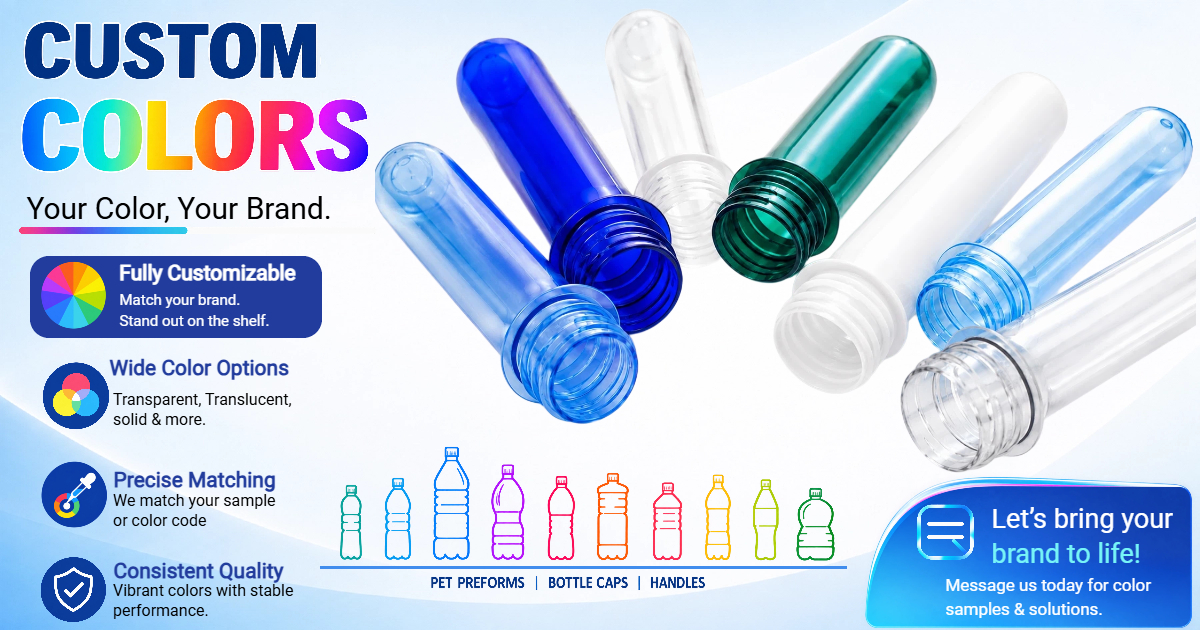
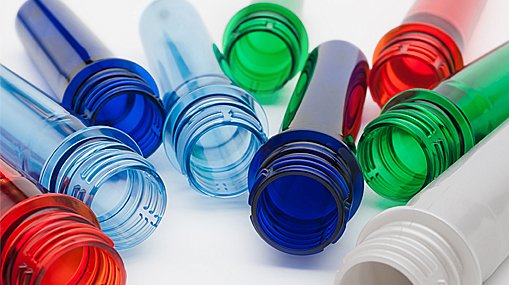
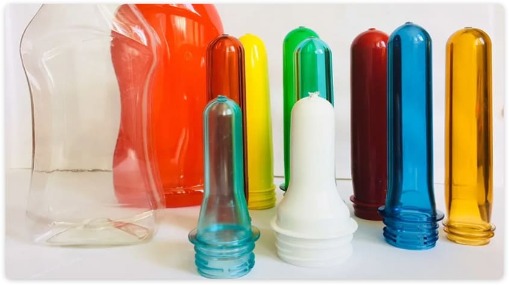
When brands decide to move beyond standard clear bottles, the real work begins long before production starts. Custom branded preforms involve a series of interconnected decisions — color formulation,...
Why Peak Season Timing Matters for PET Preform Orders For beverage brands, bottled water producers, and food packaging operations, peak season is not the time to discover a supply gap. Whether deman...
They are not interchangeable because the bottle requirements are fundamentally different Mineral water and carbonated drink preforms may look similar, but they are designed for different pressure loa...
PCO 1881 and PCO 1810 are the two dominant neck finish standards for 28 mm PET beverage bottles. Both share the same thread diameter, yet they differ in enough ways to affect your resin costs, equipme...
Bottle deformation after filling is one of the most disruptive quality failures in beverage and water packaging lines. When bottles arrive distorted, collapsed, or misshapen after filling, the instin...
Choosing the wrong preform weight is one of the most common—and costly—mistakes in beverage packaging procurement. Too light, and your bottles will deform under filling pressure or collapse during tr...