English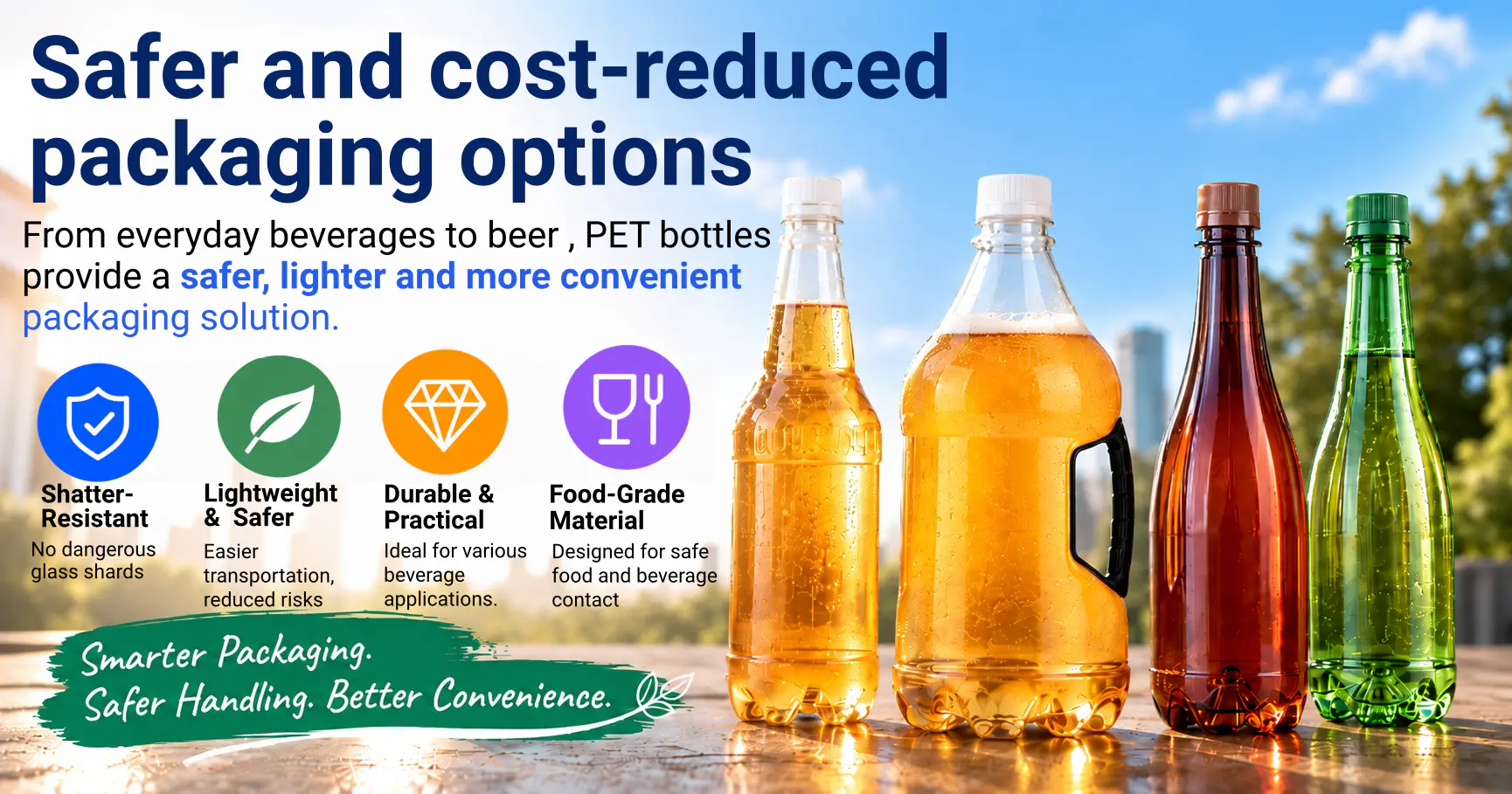
PET plastic bottles and glass bottles are two of the most widely used packaging options in the beverage, food, beer, juice, condiment, and snack industries. Glass bottles have traditionally been used...



en
PET plastic bottles and glass bottles are two of the most widely used packaging options in the beverage, food, beer, juice, condiment, and snack industries. Glass bottles have traditionally been used...
Introduction Almost every PET bottle begins with a small, test-tube-shaped product known as a PET preform. Although it may look simple, the design and quality of the preform directly affect the appear...
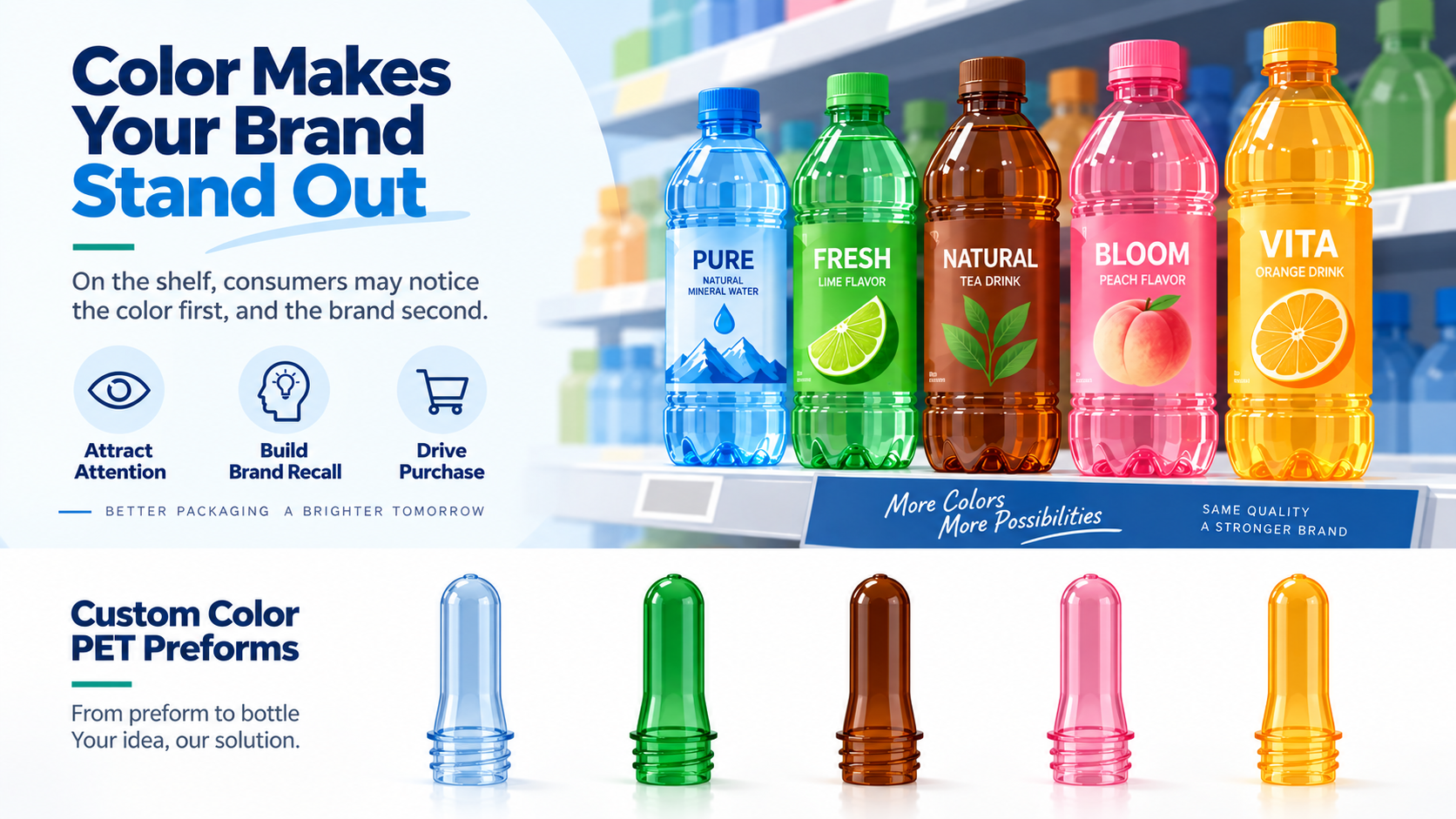
In the highly competitive bottled water and beverage market, consumers usually see the packaging before they ever have a chance to taste the product. The bottle color, cap, label, bottle shape, and ov...
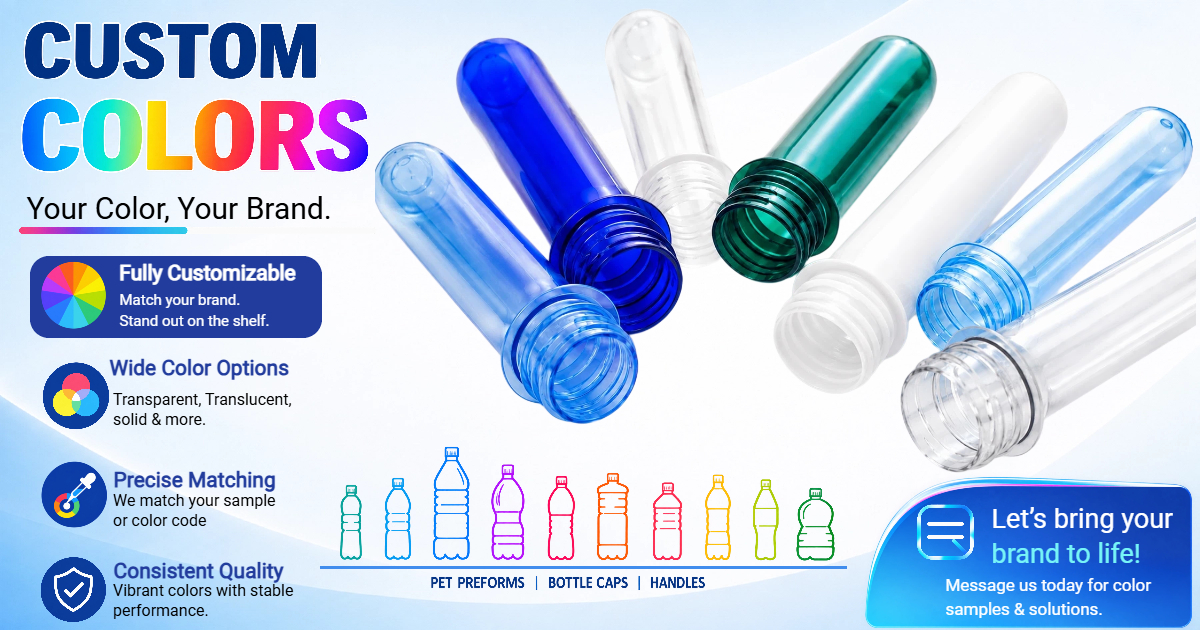
Custom PET Preform——More Than Just a Color Choice For beverage and bottled water brands, packaging color is not only about appearance — it can also help strengthen product recognition and create a mor...
Twenty-Five Years of Shaving Grams Pick up a 0.5-liter water bottle today and it weighs roughly half what an equivalent bottle weighed at the start of the millennium. That isn't a rounding error — it...
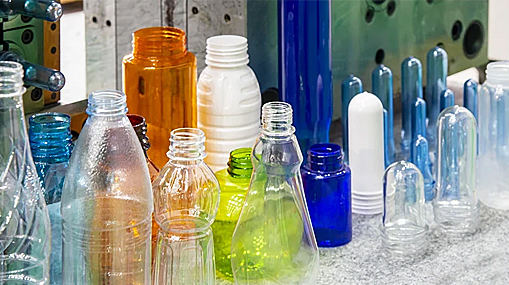
One Sentence in Article 6 That Changed Bottle Design Somewhere in a beach cleanup dataset compiled by the European Commission, plastic bottle caps kept showing up near the top of the list of items co...
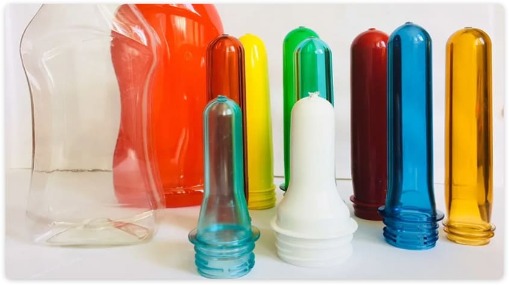
The Error Starts at the Core, Not the Cavity A production manager once described it as a "ghost line" — a faint streak running down one side of a batch of preforms, visible only under polarized light...
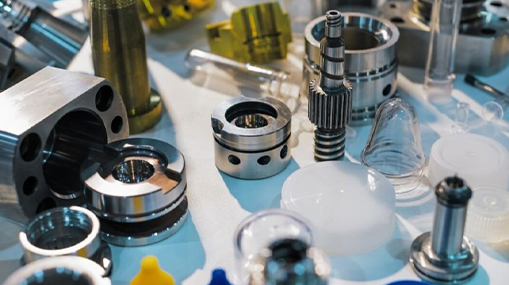
The Real Cost of a Few Microns A wall thickness variance of just 0.05 mm in a preform's mold core is enough to trigger stretching failures once that preform hits the blow mold. On the finished bottle...
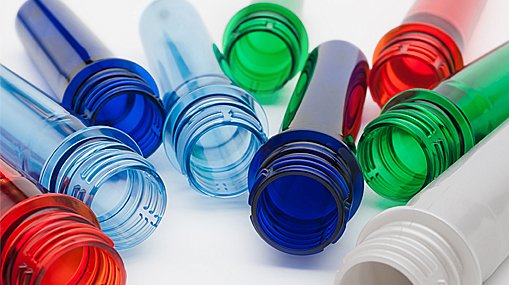
Lightweight PET Preforms: Benefits and ChallengesAs the pcakging industry continues to purse sutainability and cost effiiency, lightweight PET preforms have become an important trend in beverage and f...
Copyright © Foshan Honsen Plastic Industry Co., Ltd. All Rights Reserved. PET Preform Manufacturers