

 English
Factors to Consider Before Ordering PET Preforms
Content
- 1 Resin Grade and Material Quality
- 2 Neck Finish Specification
- 3 Preform Weight and Wall Thickness
- 4 Compatibility with Your Blow Molding Equipment
- 5 Application and Filling Conditions
- 6 Regulatory and Food Safety Compliance
- 7 Supplier Capability and Minimum Order Quantities
- 8 Color, Additives, and Special Requirements
- 9 Total Cost of Ownership, Not Just Unit Price
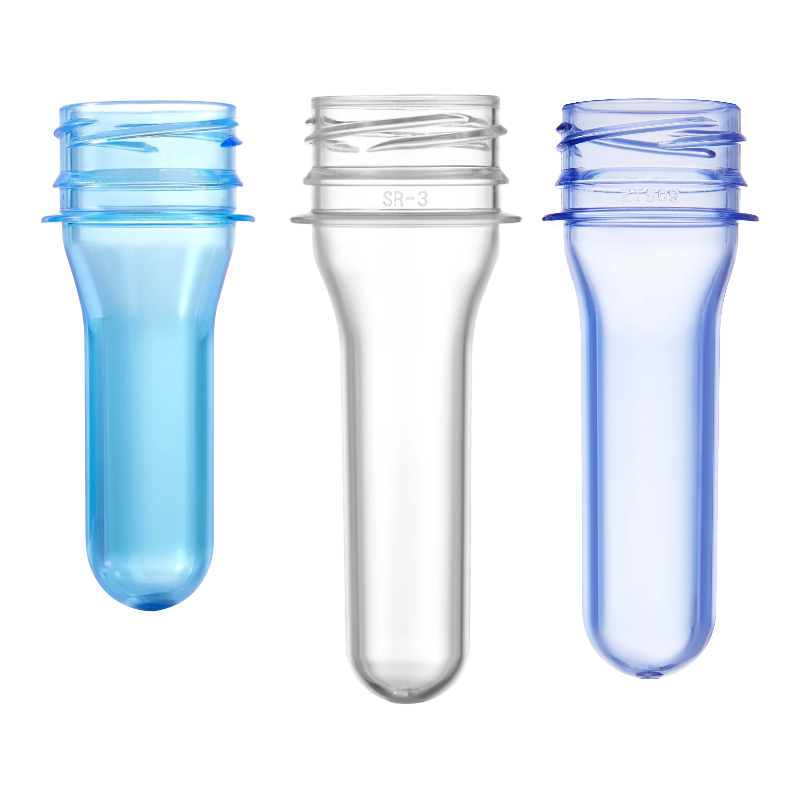
Ordering PET preforms without a clear checklist is one of the most common—and costly—mistakes in packaging procurement. The right preform must match your bottle design, filling process, and end-use environment precisely; even a small mismatch in neck finish or resin grade can result in production downtime, product spoilage, or rejected shipments. Before placing any order, understanding the key factors involved will save time, money, and headaches down the line.
Resin Grade and Material Quality
PET preforms are made from polyethylene terephthalate resin, but not all resin grades are equal. The intrinsic viscosity (IV) of the resin directly affects the mechanical properties of the final bottle.
- IV range 0.72–0.76 dl/g is standard for carbonated soft drinks, where pressure resistance is critical.
- IV range 0.80–0.84 dl/g is used for hot-fill applications requiring higher thermal stability.
- Water and juice bottles typically use IV in the 0.74–0.78 dl/g range.
Always request a resin certificate of analysis (COA) from the supplier. Reputable manufacturers source resin from certified producers such as Indorama, DAK Americas, or Nan Ya Plastics. Using recycled PET (rPET) is increasingly common—up to 25–50% rPET content is achievable without compromising clarity or strength, but food-contact compliance must be verified separately for each jurisdiction.
Neck Finish Specification
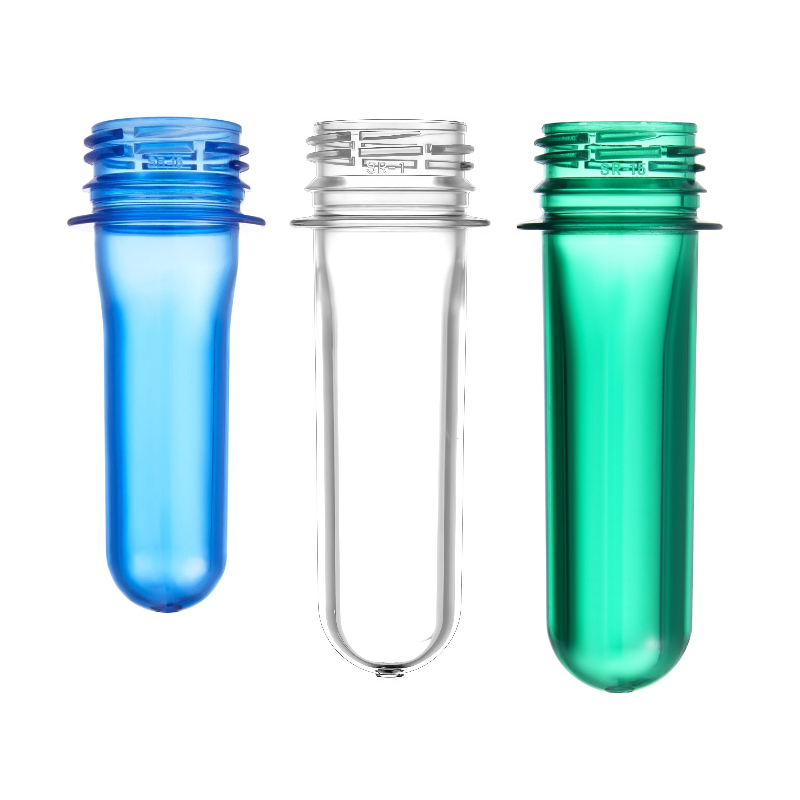
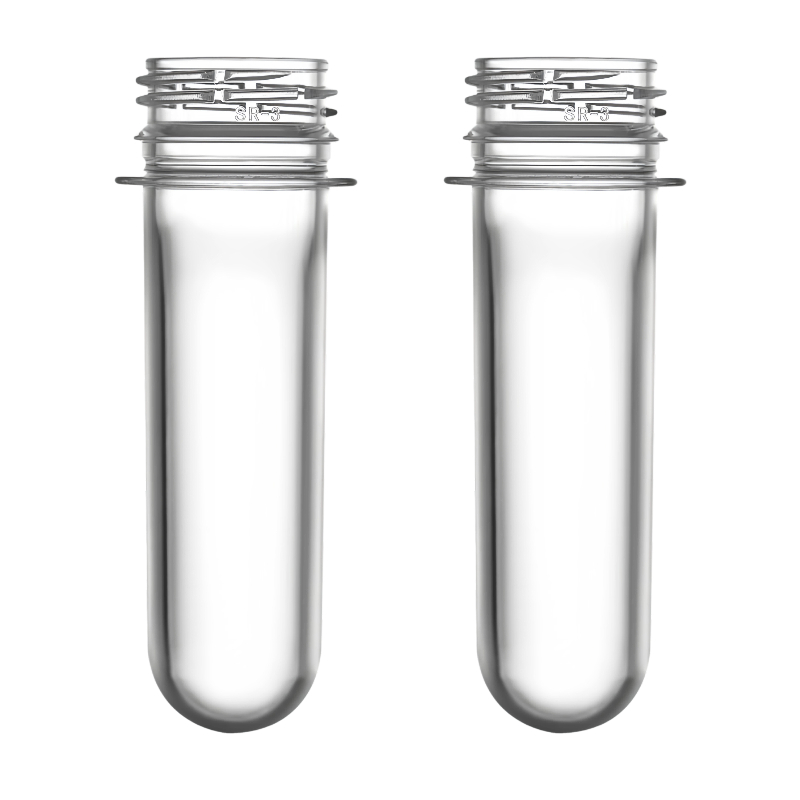
The neck finish is the most critical dimension on a preform. It determines closure compatibility and cannot be adjusted after blow molding. A mismatch of even 0.2 mm in thread diameter can cause cap leaks or seal failures.
Common standard neck finishes include:
| Neck Finish | Diameter | Common Application |
|---|---|---|
| PCO 1881 | 28 mm | Water, CSD, juice |
| PCO 1810 | 28 mm | CSD (legacy) |
| BPF 30/25 | 30 mm | Wide-mouth beverages |
| 38 mm | 38 mm | Hot-fill, food jars |
Confirm that your chosen neck finish matches your capping machine specifications and existing closure inventory before ordering.
Preform Weight and Wall Thickness
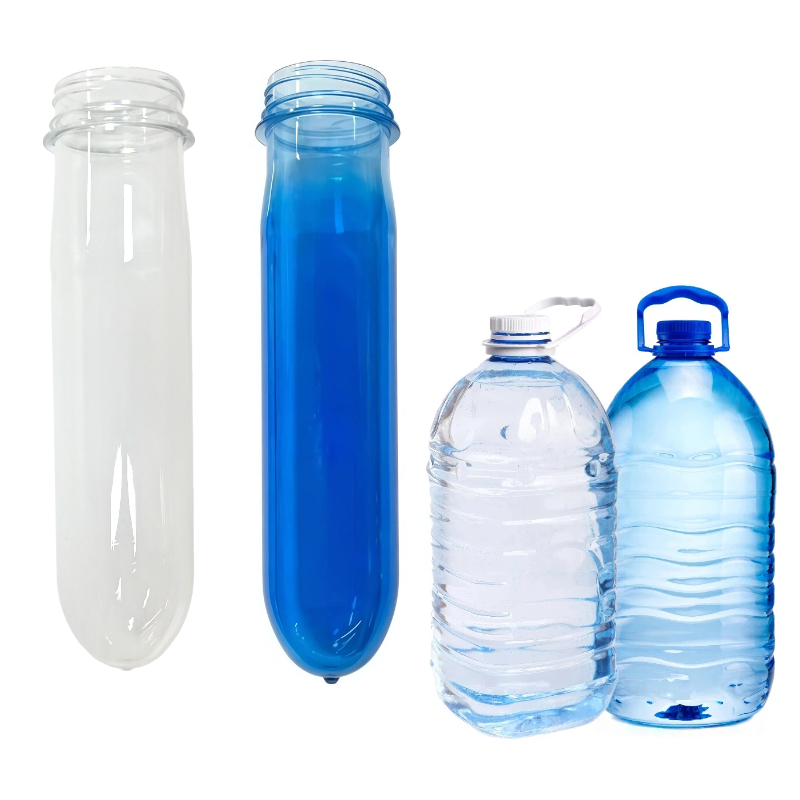
Preform weight determines how much material will be distributed through the bottle wall after blow molding. Choosing a lighter preform than necessary can result in thin spots, stress cracking, or bottle collapse under load. Choosing too heavy a preform wastes resin and increases cost.
As a general benchmark:
- A standard 500 ml still water bottle typically uses a preform weighing 10–14 grams.
- A 1.5 L CSD bottle may require a 38–42 gram preform.
- Hot-fill bottles with reinforced shoulders may need 15–20% more material than equivalent cold-fill versions.
Discuss your target bottle design and blow ratio with the preform supplier. The stretch blow ratio (axial × hoop) should generally fall between 8:1 and 12:1 for optimal clarity and mechanical performance.
Compatibility with Your Blow Molding Equipment
Not every preform works on every blow molding machine. Before ordering, verify the following compatibility points:
Preform Length and Outer Diameter
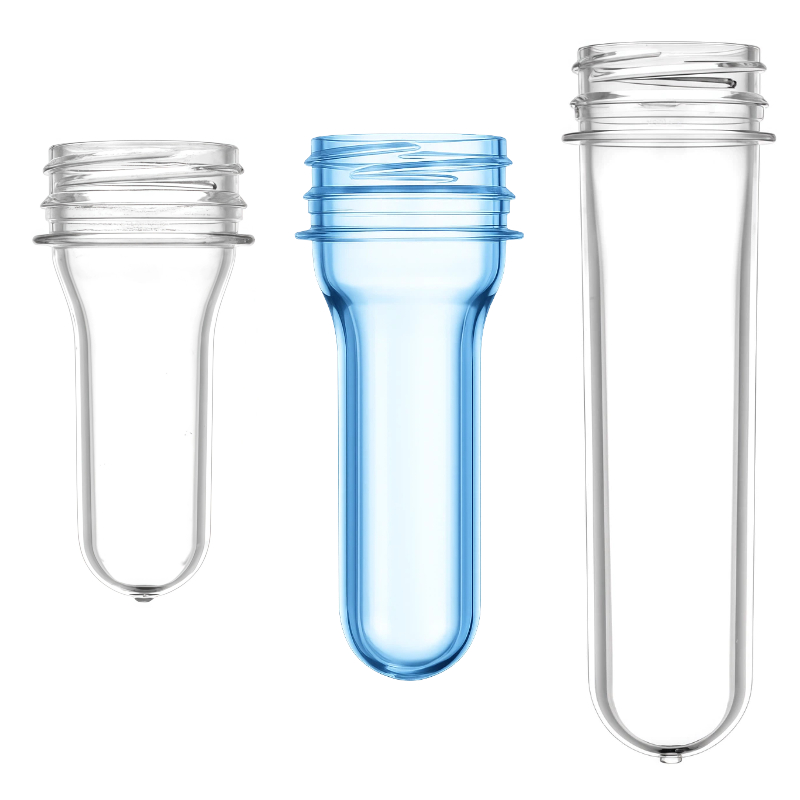
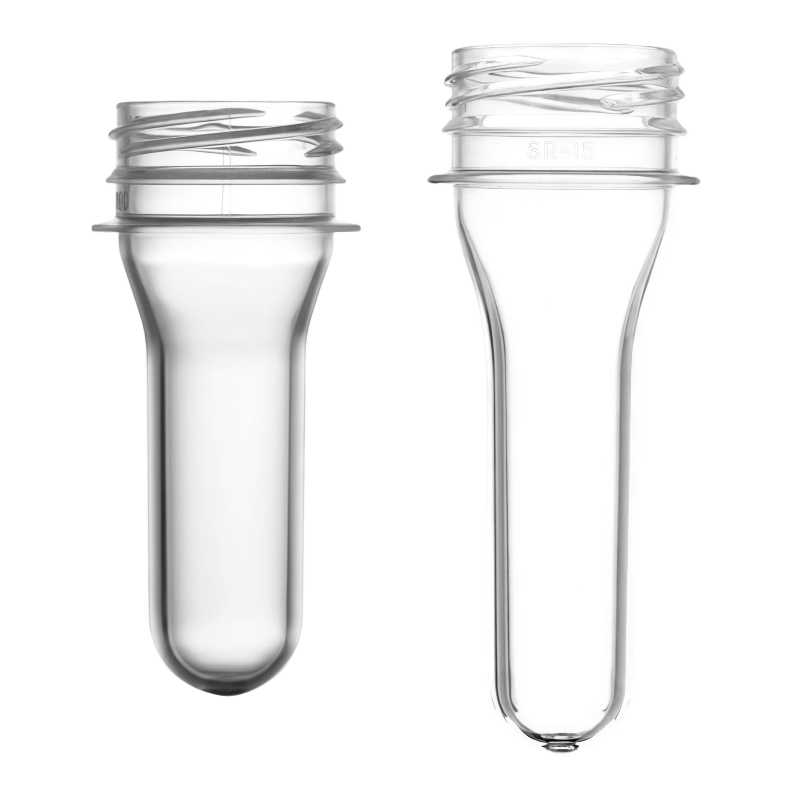
The preform must fit into your machine's mandrel and oven rails without jamming. Each blow molder (Sidel, Krones, Nissei, etc.) has defined tolerance windows for preform geometry. Even 1–2 mm variations in body diameter can cause feed failures.
Heating Profile
Heavier or thicker-walled preforms require longer oven residence times or higher IR lamp output. If your oven capacity is fixed, switching to a heavier preform without adjusting heat settings will produce hazy, poorly oriented bottles.
Mold Cavity Count
Your mold determines which bottle shape the preform will blow into. Preforms ordered for one mold may not blow correctly in another, even if the neck finish is the same. Always reference your mold drawing and cavity dimensions when specifying a preform.
Application and Filling Conditions
The end-use application should drive many preform decisions. Different filling conditions impose very different demands on the final bottle:
- Cold fill (ambient): Standard PET with IV 0.72–0.76 dl/g is sufficient for still water, juices, and non-carbonated drinks.
- Hot fill (85–95°C): Requires heat-set PET with higher IV, plus modified bottle geometry (vacuum panels) to prevent deformation on cooling.
- Carbonated beverages: High internal pressure (up to 6 bar) demands excellent barrier properties and base design that resists petaloid deformation.
- Aseptic fill: Requires preforms that can withstand hydrogen peroxide sterilization without surface degradation.
Specify your filling temperature, product type, and shelf-life target to your preform supplier so the correct resin formulation and additives (such as UV blockers or oxygen scavengers) can be incorporated.
Regulatory and Food Safety Compliance
If the preforms will be used for food or beverage packaging, compliance is non-negotiable. Regulatory requirements vary significantly by market. Key frameworks include:
- FDA 21 CFR 177.1630 (United States) for food-contact PET
- EU Regulation No. 10/2011 for plastic materials in contact with food (European Union)
- GB 9685 (China) for food-contact additives
Ask your supplier for migration test reports and a Declaration of Compliance (DoC). If you are incorporating rPET, ensure it is sourced from an FDA Letter of Non-Objection (LNO)-approved or EFSA-evaluated process. Non-compliant preforms can result in product recalls, fines, or market bans.
Supplier Capability and Minimum Order Quantities
Not every preform supplier can meet every requirement. Evaluate potential suppliers across these dimensions:
- Production consistency: Request batch-to-batch weight deviation data. A tolerance of ±0.1–0.2 g is considered tight and desirable for high-speed blow molding lines.
- Minimum order quantity (MOQ): Standard MOQs range from 50,000 to 500,000 units per SKU. Smaller brands may need a supplier with flexible MOQs or access to stock preform programs.
- Lead time: Typical lead times for custom preforms are 4–8 weeks. Stock preforms can ship within days. Plan accordingly to avoid line stoppages.
- Quality certifications: Look for ISO 9001 and, where applicable, FSSC 22000 or BRC Global Standard for packaging.
- Technical support: A supplier that provides blow molding trials or process optimization support adds significant value, especially for new bottle launches.
Color, Additives, and Special Requirements
Standard PET preforms are water-clear, but many applications call for color or functional additives. Consider the following:
- UV protection: Amber or UV-blocking additives are commonly used for juices, beer, and pharmaceuticals where light-induced degradation is a concern.
- Oxygen scavengers: Incorporated into the resin or as a coating to extend shelf life for oxygen-sensitive products like beer or wine. These can extend shelf life by up to 6 months compared to standard PET.
- Colorants: Masterbatch colorants must be food-safe and compatible with the resin. Custom colors may add 2–4 weeks to lead times and require minimum run quantities.
- Barrier coatings: External or internal coatings (e.g., SiOx, DLC) can improve gas barrier performance by 5–10×, useful for oxygen-sensitive or high-carbonation applications.
Confirm that any additive used is compatible with recycling streams in your target market, as some barrier technologies complicate rPET recovery.
Total Cost of Ownership, Not Just Unit Price
Comparing preforms on unit price alone is a common mistake. A cheaper preform that causes 3% higher rejection rates on your blow molding line will cost far more than a slightly more expensive, consistent one. Calculate total cost of ownership by factoring in:
- Rejection and scrap rates during blow molding
- Energy consumption differences based on preform heating requirements
- Transportation and storage costs (heavier preforms cost more to ship)
- Supplier reliability and potential cost of stockouts
- Compliance and testing costs if the supplier cannot provide documentation
Request samples before committing to a large order. Run trial blow molding sessions with at least 500–1,000 preforms to validate performance before scaling up. This small investment routinely prevents large-scale procurement mistakes.