

 English
How to Shorten Packaging Development for Seasonal Beverage Launches
Content
- 1 Why Seasonal Packaging Takes Longer Than Brands Expect
- 2 Start With a Format Decision, Not a Design Brief
- 3 Use Standard Neck Finishes to Avoid Custom Tooling Delays
- 4 Compress the Sample Approval Process
- 5 Align Packaging and Filling Line Specs Early
- 6 Build a Rolling Seasonal Packaging Framework
- 7 Choose Suppliers Who Can Respond to Seasonal Demand Spikes
- 8 A Realistic Timeline for Seasonal Packaging Development
- 9 The Cap-Preform Compatibility Question Most Teams Miss
- 10 Final Thought: Speed Comes From Structure, Not Rush
Seasonal beverage launches live or die by timing. A summer lemonade line that misses June, or a holiday spiced drink that arrives in late December, loses most of its commercial window before a single case moves off the shelf. In our experience working with beverage brands of all sizes, packaging development is consistently the longest and most unpredictable variable in the launch timeline — and it's also the one most teams underestimate until they've missed a season once.
This article walks through the practical strategies we recommend for compressing packaging development cycles without compromising quality — from how you structure your brief to how you choose suppliers.
Why Seasonal Packaging Takes Longer Than Brands Expect
Most brands budget 8–12 weeks for packaging development. In reality, a typical new beverage packaging project — especially one involving a new bottle shape, neck finish, or custom preform — can run 16 to 24 weeks from initial concept to production-ready supply. The gap between expectation and reality usually comes from a few recurring pressure points:
- Late-stage changes to volume or bottle format that invalidate early mold work
- Miscommunication between the brand design team and the technical packaging supplier
- Long lead times on tooling and mold fabrication — often 6–10 weeks alone
- Sample approval rounds that each add 1–2 weeks
- Supplier qualification processes that aren't started until after design is finalized
The good news is that most of these delays are structural, not technical. With the right planning and supplier approach, they're largely preventable.
Start With a Format Decision, Not a Design Brief
The single most time-saving decision a brand team can make is locking in the bottle format — volume, neck finish, and general shape category — before the design team starts work. This matters because preform selection and mold lead times are driven by technical specs, not aesthetics. A 500ml bottle with a 28mm PCO 1881 neck finish uses entirely different tooling than a 500ml bottle with a 30mm neck, even if the two bottles look similar on a mood board.
We see projects lose 3–4 weeks simply because the packaging supplier wasn't brought into the format decision early. By the time the brand team presents a finalized design, the supplier has to go back and clarify whether existing tooling can accommodate it or whether new molds are needed. That clarification process alone often triggers a redesign loop.
Practical steps for faster format decisions:
- Define your fill volume range (minimum and maximum) before any creative work begins
- Choose a neck finish standard early — common options like 28mm PCO 1881 and 30mm offer much shorter tooling lead times than proprietary specs
- Ask your preform supplier what formats they stock or have active tooling for — this can eliminate weeks from the mold fabrication stage
- Get a written technical brief to the supplier in parallel with design, not after
Use Standard Neck Finishes to Avoid Custom Tooling Delays
Custom bottle shapes are appealing from a branding perspective, but for seasonal launches — where the window is measured in weeks, not months — they carry real risk. Custom preform tooling typically requires 6 to 10 weeks of fabrication time, plus an additional 1–2 weeks for trial runs and sample approval. That's 8–12 weeks before you've even begun production.
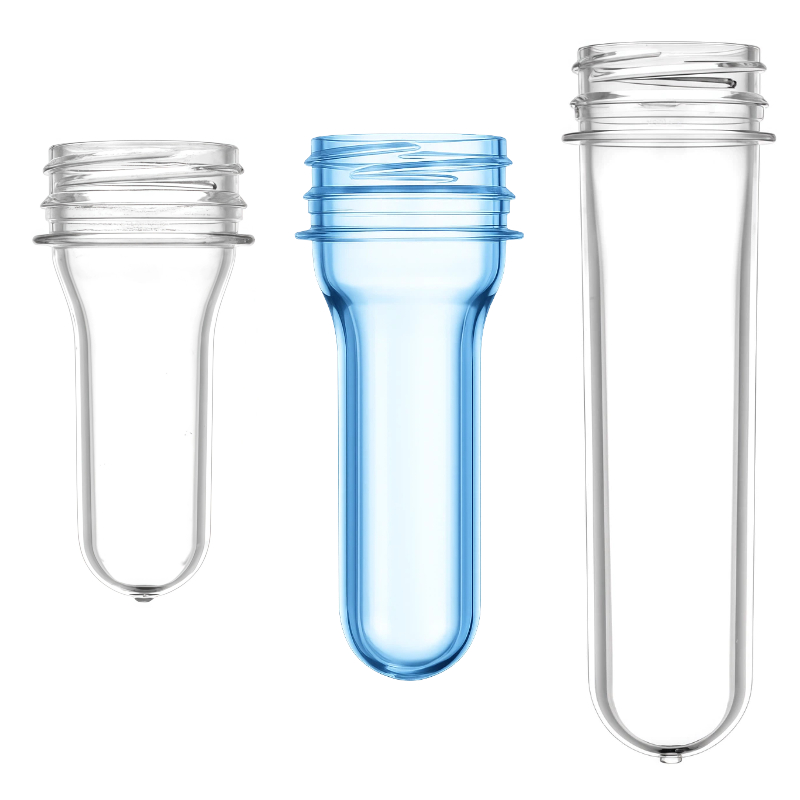
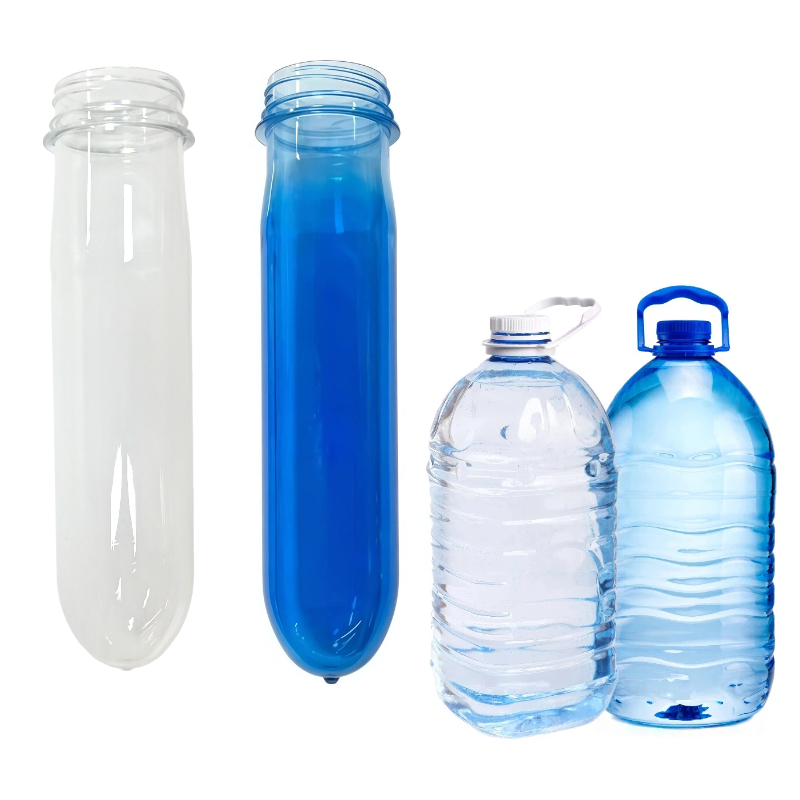
By contrast, selecting a preform format that uses an existing, widely-used neck finish — such as the 28mm PCO 1881 for carbonated beverages, or the 38mm wide-mouth for juice and sports drinks — allows you to draw on a supplier's existing mold library. In many cases, this shortens the packaging readiness timeline to 3–5 weeks instead of 10–14.
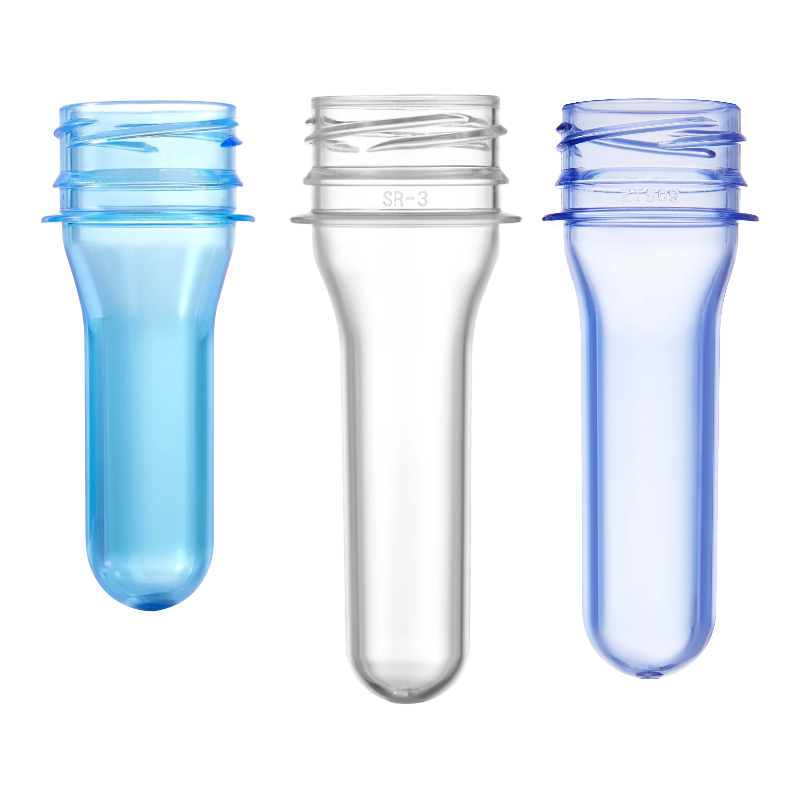
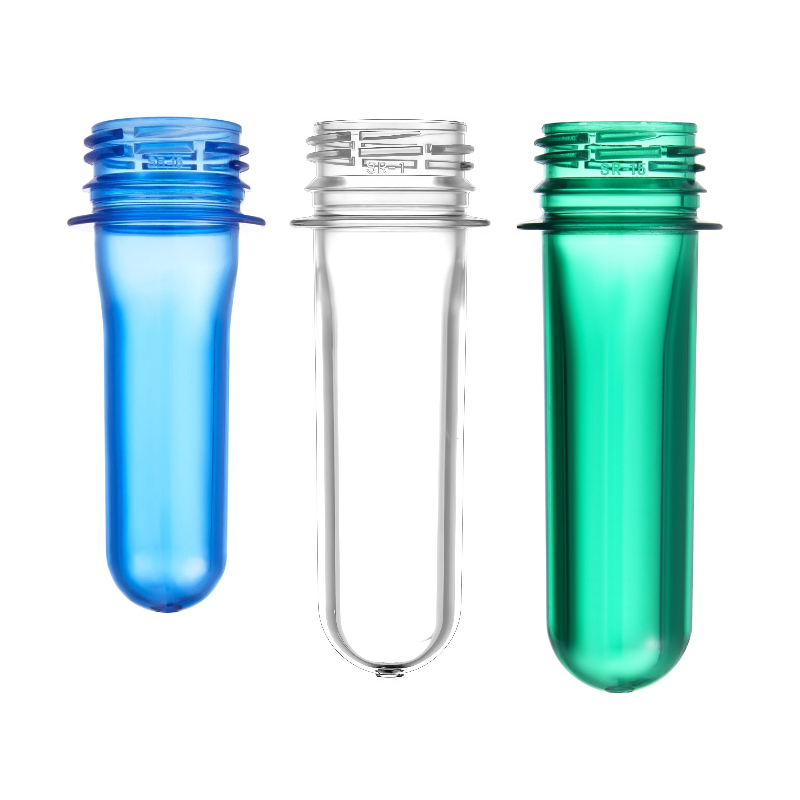
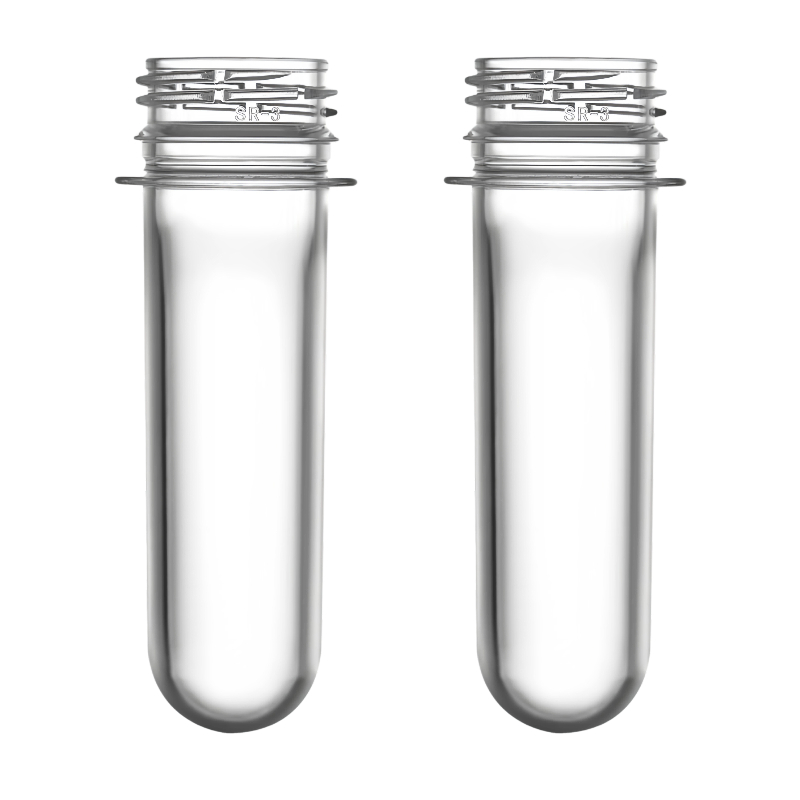
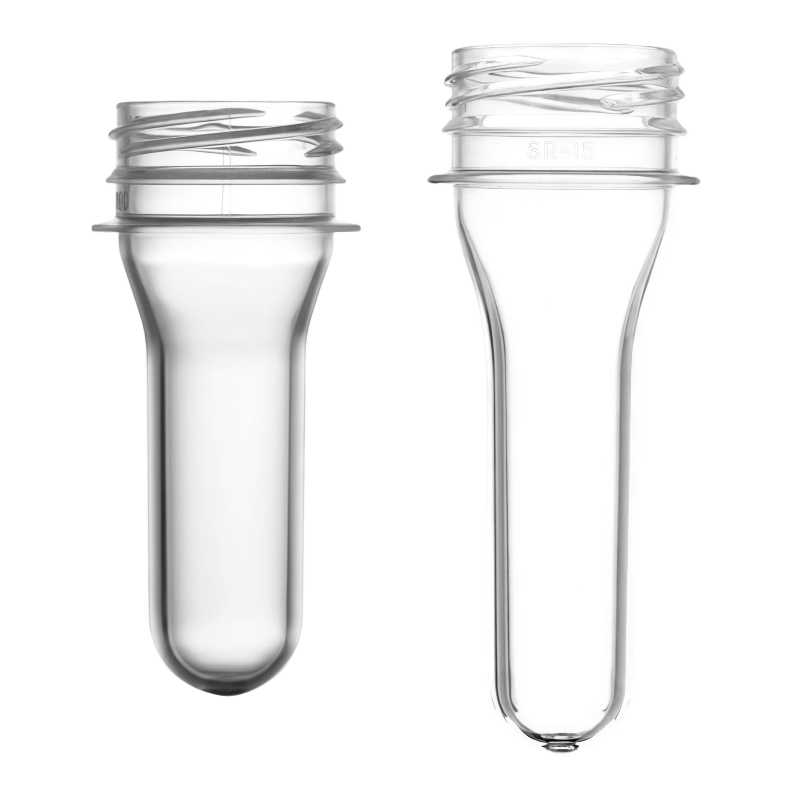
For brands that do want a distinctive bottle shape for seasonal identity, we typically recommend reserving the custom format for the label and sleeve design — not the bottle geometry. A standard preform with a well-executed seasonal label can achieve strong shelf differentiation without the tooling risk. We offer a range of PET preforms across multiple neck finishes and weight ranges suited to different beverage categories.
Compress the Sample Approval Process
Sample rounds are a necessary part of packaging development, but they're also one of the most common sources of schedule slippage. A single round-trip — supplier sends samples, brand team reviews, feedback is sent, revisions are made — typically takes 10–14 days. Three rounds of that adds a month to the timeline before a single unit is produced.
There are two practical ways to compress this:
Define acceptance criteria before samples are requested
Vague feedback like "the neck feels a bit thick" or "the transparency isn't right" leads to multiple revision rounds. Before any samples ship, document your specific acceptance criteria: wall thickness range, weight tolerance, clarity standard, neck finish dimensions. Projects with written pre-agreed specs typically complete approval in 1–2 rounds rather than 3–4.
Consolidate internal stakeholders before review
One of the most overlooked delays is internal: samples arrive, but the packaging manager, the production team, and the brand director all review them separately and send conflicting feedback. Designating a single decision-maker for sample approval — with a 48-hour internal review window — can cut approval time in half.
Align Packaging and Filling Line Specs Early
A bottle that looks perfect in a sample review can still cause production delays if it isn't compatible with your filling line. Neck finish tolerances, bottle height, base geometry, and pressure resistance all affect how a PET bottle runs on a high-speed filler — and mismatches at this stage can require tooling changes that push the launch date back by weeks.
This is especially relevant for seasonal carbonated beverages, where pressure resistance requirements for the bottle and cap system need to be validated together. The table below outlines typical specification checkpoints and the consequences of misalignment:
| Specification Area | What to Align | Risk if Misaligned | Typical Delay If Caught Late |
|---|---|---|---|
| Neck finish dimensions | Thread profile, cap torque spec | Cap leakage or over-torque | 2–4 weeks |
| Bottle height & base | Conveyor clearance, labeler position | Line jams, label placement errors | 1–3 weeks |
| Pressure resistance | Carbonation level vs. preform wall spec | Bottle deformation or failure | 3–6 weeks |
| Preform weight | Blow molding stretch ratio | Uneven wall thickness, weak points | 2–4 weeks |
The cleanest way to prevent these issues is to share your filling line specifications with your preform supplier at the start of the project — not after samples are approved. A qualified supplier should be able to confirm compatibility or flag issues within a few days of receiving the specs.
Build a Rolling Seasonal Packaging Framework
Brands that launch seasonal beverages year after year face a structural choice: treat every launch as a fresh packaging development project, or build a reusable framework that reduces development to customization.
The second approach consistently delivers faster timelines. The concept is straightforward: establish a core set of approved bottle formats, neck finishes, and cap combinations that are validated for your filling line. Each seasonal launch then works within this approved set, differentiating through label design, color, and print treatment rather than new bottle geometry.
Brands that operate this way report cutting seasonal packaging development time by 40–60% compared to open-format projects, simply because tooling, supplier qualification, and filling line compatibility are already resolved.
What to include in your packaging framework:
- An approved preform format for each beverage category you produce (e.g., one for still water, one for carbonated, one for juice or sports drink)
- A corresponding cap specification for each preform, already validated for torque and seal performance
- A tested blow molding stretch ratio for each preform-bottle combination
- A shortlist of qualified suppliers with active tooling for your approved formats
- Documented lead times and minimum order quantities for each format
This approach is particularly effective for brands launching multiple seasonal SKUs per year. If your summer range, autumn range, and holiday range all draw from the same approved bottle formats, you reduce per-launch development overhead to almost nothing beyond label and print approval.
Choose Suppliers Who Can Respond to Seasonal Demand Spikes
Even with excellent planning, seasonal launches create sudden demand increases. A supplier who can handle your regular volume but can't scale for a Q4 holiday push — or who has a 10-week lead time on reorders — creates a real bottleneck regardless of how well your internal process is managed.
When evaluating suppliers for seasonal packaging work, the questions that matter most aren't about their standard lead times — they're about their capacity buffer and responsiveness at peak periods:
- What is their production capacity, and what share is typically reserved for existing customers? Suppliers with significant uncommitted capacity can absorb seasonal surges; those running at 95% utilization cannot.
- Do they hold safety stock in standard formats? A supplier who carries buffer inventory in common preform weights and neck finishes can ship within days rather than weeks for reorders.
- What is their typical response time on technical queries? Fast communication on spec questions and compatibility checks can shorten development cycles significantly.
- Can they support both small trial runs and large production volumes? Some suppliers have minimum order quantities that don't work for seasonal trial batches.
We supply PET preforms and matching plastic bottle caps across multiple standard formats, and we work with both emerging brands on smaller seasonal runs and established beverage manufacturers with high-volume seasonal requirements.
A Realistic Timeline for Seasonal Packaging Development
To give this practical shape, here's how timelines typically compare between a first-time seasonal launch with custom packaging, a first-time launch using standard formats, and a repeat seasonal launch within an established packaging framework:
| Development Stage | Custom Format (New) | Standard Format (New) | Within Framework (Repeat) |
|---|---|---|---|
| Format & spec finalization | 2–3 weeks | 1 week | 0 (pre-approved) |
| Tooling / mold fabrication | 6–10 weeks | 0–2 weeks (existing molds) | 0 (existing molds) |
| Sample production & shipping | 1–2 weeks | 1–2 weeks | Optional / 1 week |
| Approval rounds | 2–4 weeks | 1–2 weeks | 1 week |
| Production run | 2–4 weeks | 2–3 weeks | 1–2 weeks |
| Total estimated timeline | 13–23 weeks | 5–10 weeks | 2–4 weeks |
The difference between a 20-week and a 3-week timeline for the same seasonal product isn't about luck — it's almost entirely about the decisions made in the first week of a project.
The Cap-Preform Compatibility Question Most Teams Miss
One area that deserves specific attention is cap and preform compatibility. It's common for brands to source preforms and caps from different suppliers, or to switch one component for a seasonal variant without revalidating the other. This is a consistent source of late-stage rework.
The cap and preform neck finish must be validated together — not just dimensionally, but for torque performance, seal integrity under the expected fill pressure, and compatibility with your capping equipment. For carbonated seasonal beverages in particular, a cap that is slightly out of spec for the neck finish can result in CO₂ loss during distribution, leading to flat product on shelf — exactly the kind of failure that damages a seasonal brand's first impression.
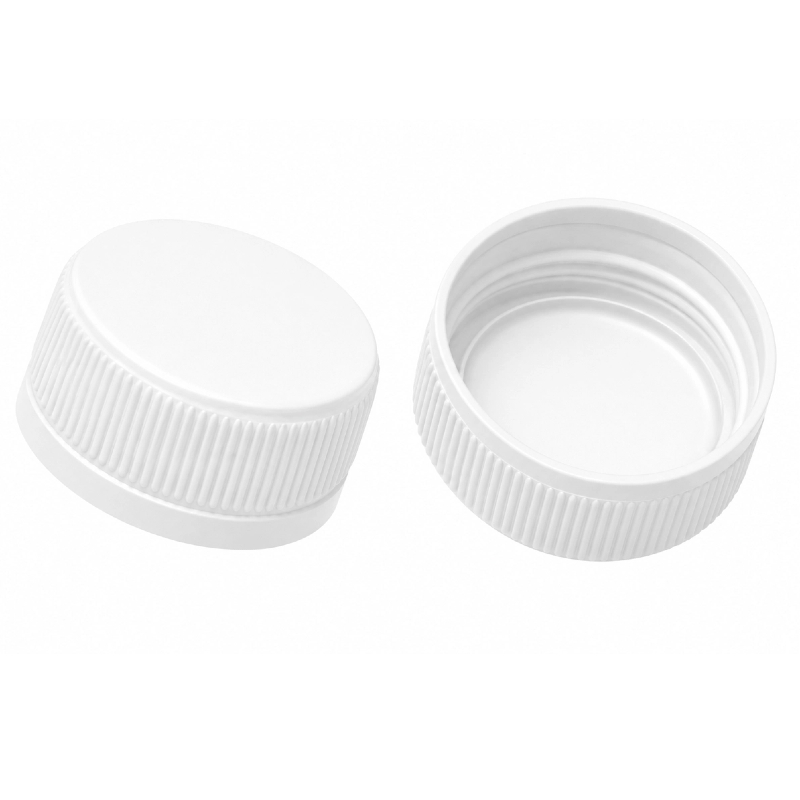
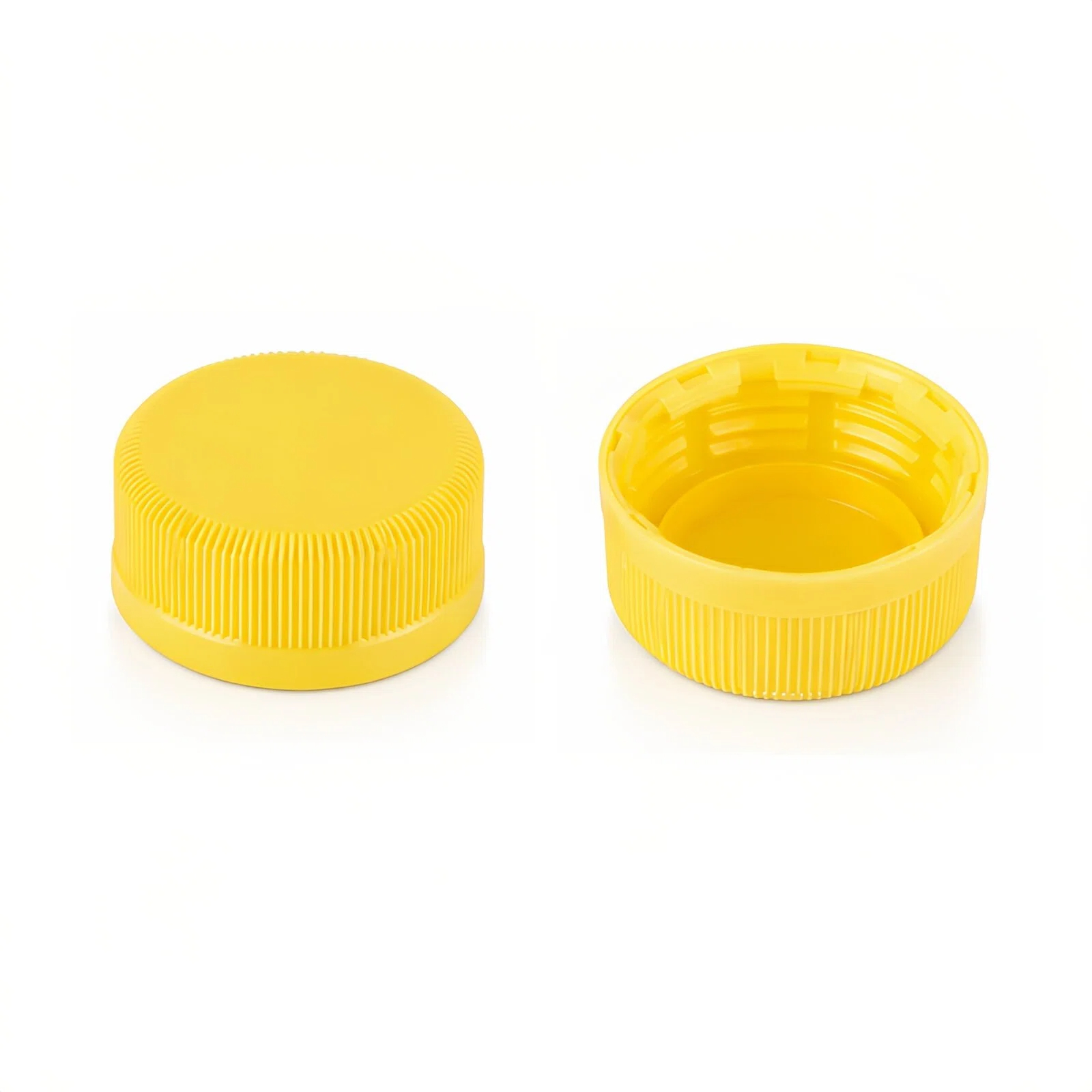
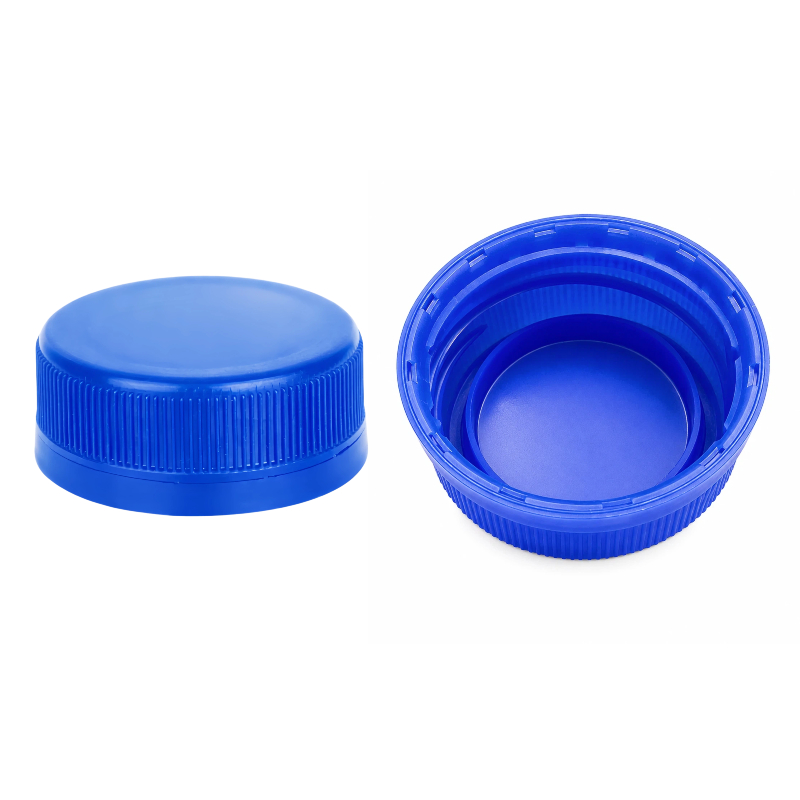
Sourcing preforms and matching caps from the same supplier — one who has already validated the combination — is the simplest way to eliminate this risk. We supply matching plastic bottle caps designed to pair with our preform range, covering 28mm, 30mm, and 38mm neck finishes.
Final Thought: Speed Comes From Structure, Not Rush
The brands that consistently hit their seasonal launch windows aren't necessarily the ones with the most resources — they're the ones with the most disciplined packaging development process. They make format decisions early, they write clear specs, they work with suppliers who have active tooling, and they don't ask their packaging to carry creative work that belongs on the label.
If you're planning a seasonal beverage launch and want to discuss preform format options, lead times, or compatibility with your filling line, we're available to work through the specifics with you. The earlier in your development cycle we can talk, the more options you have.