

 English
PCO 1881 vs PCO 1810: Key Differences and How to Choose the Right Standard
Content
PCO 1881 and PCO 1810 are the two dominant neck finish standards for 28 mm PET beverage bottles. Both share the same thread diameter, yet they differ in enough ways to affect your resin costs, equipment choices, and sustainability performance. This guide explains exactly what sets them apart and walks you through a practical decision framework so you can choose the right standard for your production line.
What Is the PCO Standard?
PCO stands for Plastic Closure Only. It refers to the standardized thread geometry applied to the neck finish of PET bottles used primarily for water and carbonated soft drinks. The standard covers critical dimensions such as thread diameter, thread profile, support ring position, and neck height, ensuring that preforms from one supplier are interchangeable with closures from another.
Both PCO 1810 and PCO 1881 share a 28 mm thread diameter and are governed by the International Society of Beverage Technologists (ISBT). They were designed to serve the same market—single-serve and multi-serve bottles from 250 ml to 2 L—but they represent two different generations of engineering philosophy. PCO 1810 was the industry baseline for decades. PCO 1881, finalized in 2009, was purpose-built to reduce material use without sacrificing sealing performance.
PCO 1810 vs PCO 1881: Head-to-Head Comparison
The most visible difference between the two standards is neck height. PCO 1810 carries a finish height of approximately 21 mm, while PCO 1881 shortens that to roughly 17 mm—a reduction of about 4 mm. This single change triggers a cascade of downstream effects across thread count, support ring design, preform weight, and closure dimensions.
| Parameter | PCO 1810 | PCO 1881 |
|---|---|---|
| Thread diameter | 28 mm | 28 mm |
| Finish height (neck length) | ~21 mm | ~17 mm |
| Thread count | 3 starts | 1 start (2 rotations) |
| Thread pitch | ~3.18 mm | ~2.7 mm |
| Typical neck weight | ~5.1 g | ~3.74 g |
| Support ring | Larger, heavier | Compact, lighter |
| Cap compatibility | PCO 1810 caps only | PCO 1881 caps only |
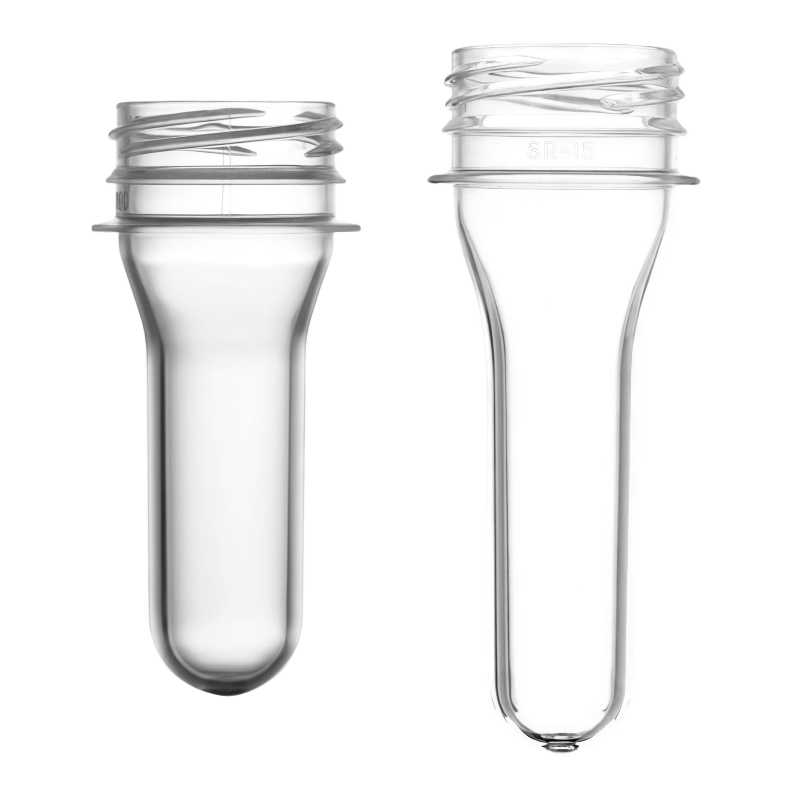
The PCO 1881's shorter neck and reduced thread count result in a lighter, shallower mold cavity. That translates directly to faster cooling cycles during injection molding and less steel needed to build each mold—both factors that improve manufacturing throughput. For producers sourcing lightweight 28mm preforms in both PCO 1881 and PCO 1810, these dimensional differences determine which cap, capper tooling, and blow-mold configuration the line must use.
Material and Cost Savings with PCO 1881
The neck and closure area account for a disproportionately large share of the total resin in a PET bottle, because those sections are far thicker than the blown body wall. This is precisely why optimizing the neck yields such significant savings.
Switching from PCO 1810 to PCO 1881 reduces preform neck weight by approximately 1.3 to 1.4 grams. Because the neck is the heaviest zone of the bottle, that reduction translates to roughly a 27% drop in the total PET weight of the bottle body (excluding the cap). Add the cap savings—around 0.5 g per closure—and the combined dispensing system drops from about 8.0 g (1810 system) to 6.22 g (1881 system), a 20% reduction in the closure assembly weight.
The financial impact compounds quickly at scale. For a plant processing 200–500 tons of PET annually, the per-gram savings accumulate into significant cost reductions in raw material procurement. Beyond resin, the shorter preform profile allows manufacturers to fit 10–15% more units per shipping container, meaningfully cutting inbound freight costs per bottle.
From a sustainability standpoint, the numbers are equally compelling. Across hundreds of billions of preforms produced globally each year, aggregate material reductions in the hundreds of thousands of tons of plastic are achievable—a concrete contribution to reducing packaging's carbon footprint.
Cap Compatibility: Why They Are Not Interchangeable
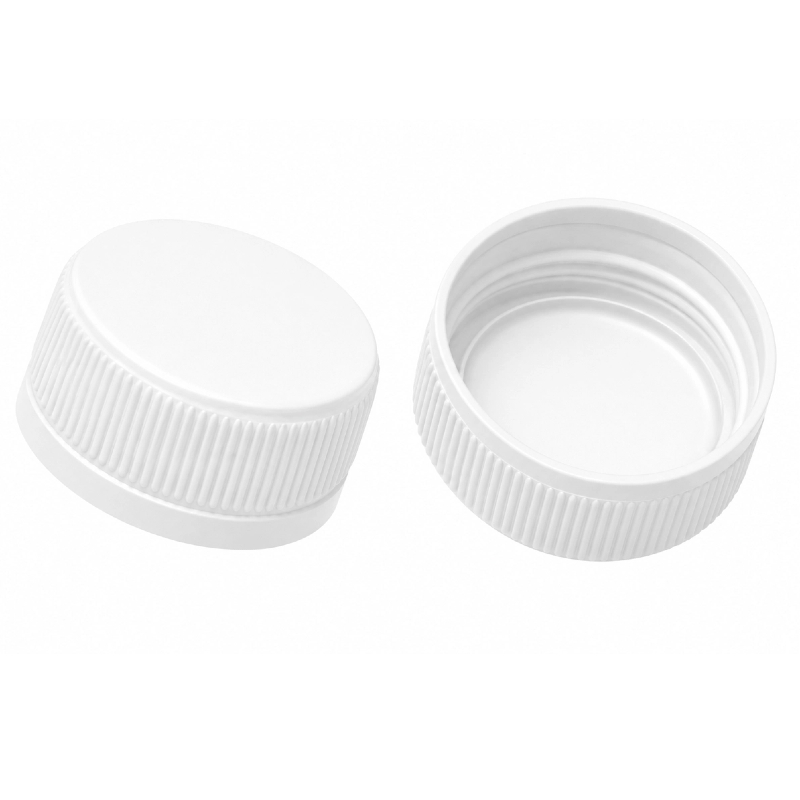
One of the most operationally critical facts about these two standards is that PCO 1810 caps and PCO 1881 caps cannot be swapped. The thread geometry, finish height, and support ledge dimensions are fundamentally different. Using a 1810 cap on a 1881 neck—or vice versa—will result in an improper seal, leakage, or a cap that cannot be applied correctly on automated capping lines.
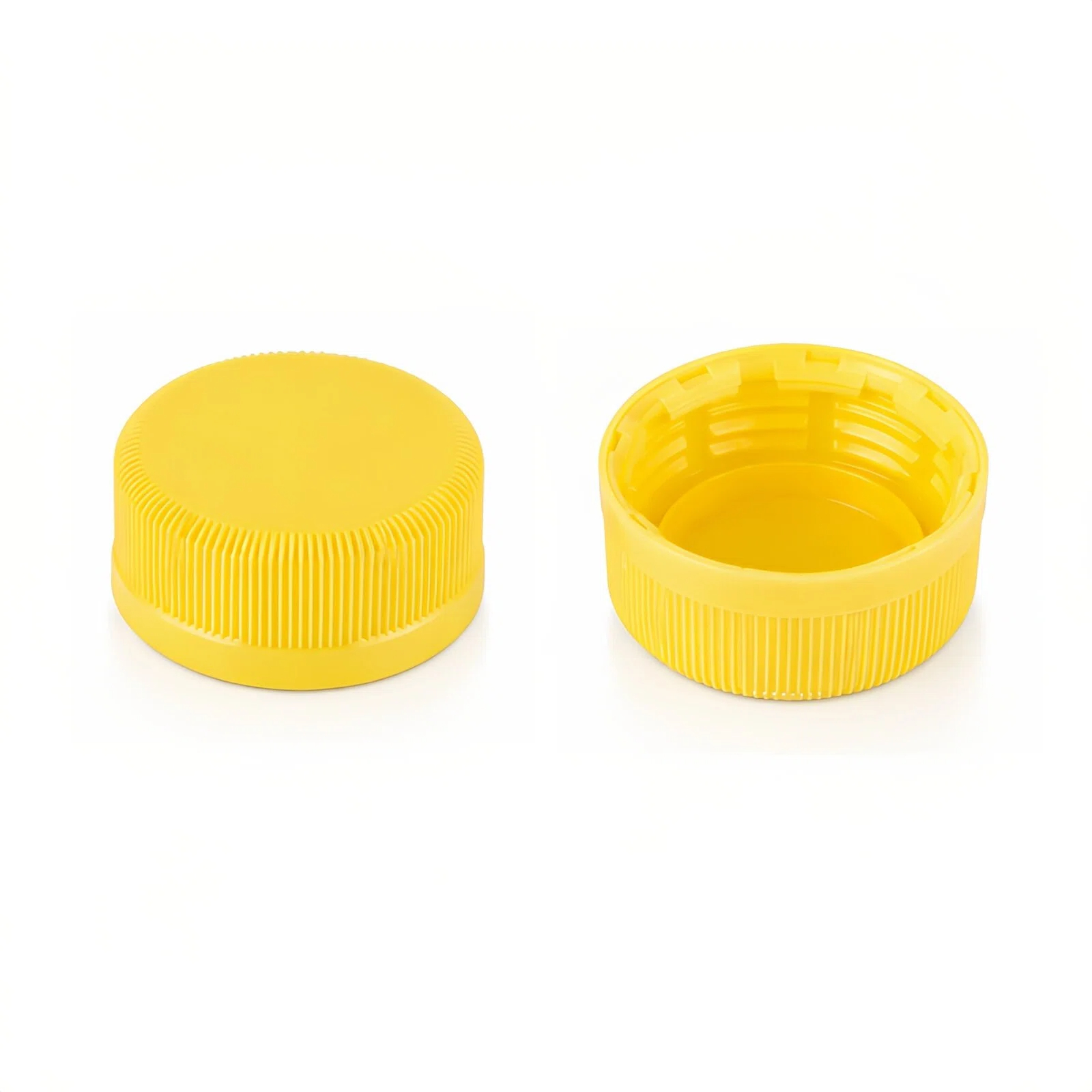
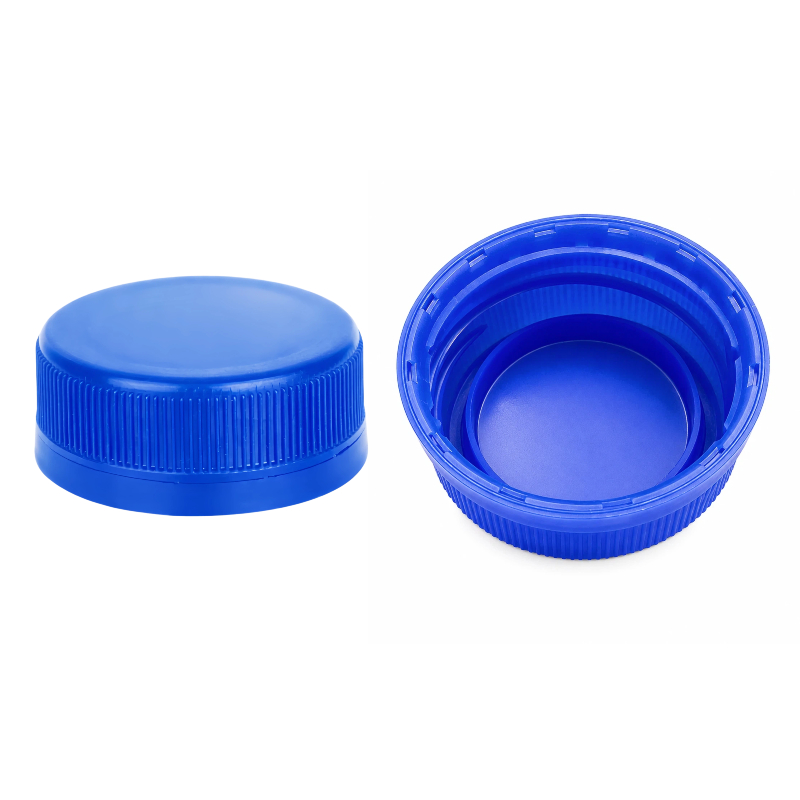
The tamper-evident (TE) band is also specific to each standard. On a PCO 1881 bottle, the TE band is engineered to mate with a distinct support ledge groove sized for the shorter neck. When the cap is applied and later opened by the consumer, the band breaks cleanly at that groove—providing the same visible evidence of tampering as the 1810 system, just with geometry adapted to the new neck profile.
For production managers, this means that a switch between standards requires a complete audit of your closure inventory, capper chucks, and cap sorter bowls. It is not a matter of adjusting one setting; it is a full closure system changeover. You can explore matching caps for both PCO 1881 and PCO 1810 neck standards to source the correct closure for your current or target configuration.
Production Line Conversion: What It Takes
Converting a filling line from PCO 1810 to PCO 1881 is a significant capital project with three core requirements:
- New preform injection molds. The neck geometry is fundamentally different, so existing 1810 molds cannot be reworked—they must be replaced. This is typically the largest single cost in a conversion project.
- Blow molder reconfiguration. The heating oven profile must be adjusted to accommodate the shorter, lighter neck without over-heating it. Stretching and blowing parameters also need to be tuned for proper material distribution in the new preform shape.
- Capper overhaul. Capping heads (chucks), torque settings, and the cap delivery system must all be reconfigured or replaced to match PCO 1881 specifications. The 1881 capping process requires the cam to complete at least 3.5 rotations, which differs from 1810 capping mechanics.
Total conversion costs vary widely depending on line size and existing equipment age, but industry estimates place the investment at up to €250,000 for a full bottling line conversion. For high-volume producers, this cost is typically recovered within one to two years through material and logistics savings. For lower-volume or multi-SKU operations, the payback period is longer and must be modeled carefully before committing.
When to Stick with PCO 1810
PCO 1881 is the global default for new production, but there are legitimate scenarios where staying on PCO 1810 makes more sense:
- Maximum structural robustness is required. The thicker neck wall of PCO 1810 offers greater resistance to deformation during filling, especially for hot-fill applications where elevated temperatures soften the neck material. Some high-pressure CSD formats also benefit from the extra wall thickness.
- Legacy equipment is not ready for conversion. If your blow molder, capper, and preform molds are already fully depreciated and functioning reliably on 1810, the business case for conversion may not justify the disruption—particularly for smaller operations with limited capital budgets.
- Regional supply chain considerations. In certain developing markets, PCO 1810 remains the established standard with a well-developed local closure supply chain. Switching to 1881 could introduce sourcing complexity if compatible caps are not readily available from local suppliers.
- Short-run or custom products. For niche, low-volume products where weight optimization is secondary to consistency and minimal changeover complexity, running on existing 1810 tooling avoids unnecessary retooling investment.
How to Choose: A Decision Checklist
Use these five questions to guide your selection between the two standards. If your answers lean toward "yes," PCO 1881 is the right direction. If several answers are "no" or "not yet," evaluate whether the timing is right for conversion or whether PCO 1810 serves your current operation better.
- Is raw material cost a meaningful pressure on your margins? PCO 1881's 1.3–1.4 g reduction per preform directly lowers your PET spend at any production volume.
- Are you building a new line or planning a major equipment refresh? New lines should default to PCO 1881—it is the industry standard, and starting on 1881 avoids a future conversion project entirely.
- Is sustainability part of your brand's procurement or marketing commitments? PCO 1881 delivers measurable plastic reduction that can support ESG reporting and supply chain sustainability goals.
- Does your product tolerate a standard durability profile rather than extreme robustness? Most still and sparkling beverages are well within 1881's structural capabilities, which have been validated at the highest commercial scales.
- Can your production volume support an acceptable payback period on conversion capital? Model the resin and logistics savings against your projected conversion cost to determine the realistic return horizon before committing.
For most producers, particularly those operating at scale or investing in new capacity, PCO 1881 is the strategically correct choice. It reduces costs, aligns with global supply chain direction, and supports sustainability targets. PCO 1810 remains a sound option for specific operational contexts, but it is increasingly the exception rather than the rule.
Whether you are sourcing preforms, evaluating closure compatibility, or planning a full line conversion, starting with the right neck standard sets the foundation for efficient, cost-effective production. Browse the full range of food-grade PET preforms to find the configuration that matches your bottle size, fill type, and neck standard requirements.