

 English
Custom Preform Color & Cap Style: Differentiate Without Yield Loss
Content
- 1 How preform color and cap style differentiate brands in the real world
- 2 The baseline decisions that prevent yield loss before you customize anything
- 3 Custom preform color without yield loss: the controls that keep molding stable
- 4 Cap style choices that strengthen branding while keeping sealing performance safe
- 5 Keeping yield stable during changeovers: what we ask customers to standardize
- 6 A specification template that speeds up sampling and protects your timeline
- 7 How we deliver brand differentiation without yield loss as a supplier
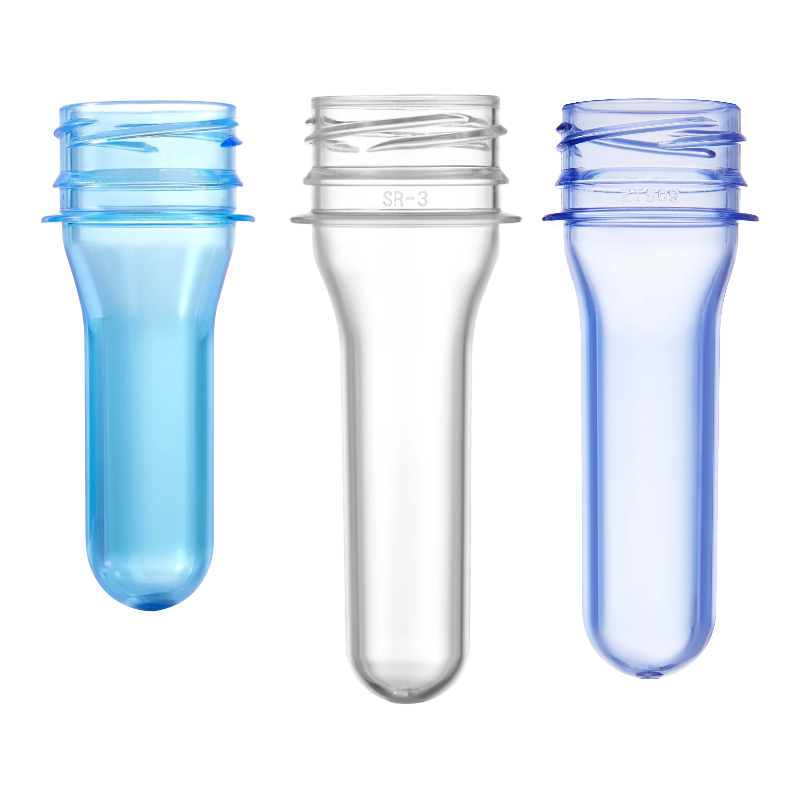
On a crowded beverage shelf, customers make decisions in seconds. Two of the fastest brand cues are the preform color (what the bottle “looks like” before and after blowing) and the cap style (what the consumer touches every time they open and reseal).
As a preform manufacturer and cap supplier, we support brands that want differentiation without paying for it in scrap, downtime, or unstable quality. The good news is that custom preform color/cap style can be done with no meaningful yield loss—when you lock the right technical baseline and manage changeovers like a production program, not a one-off experiment.
Below is the practical framework we use with customers to keep output stable while still giving marketing and product teams the design freedom they need.
How preform color and cap style differentiate brands in the real world
Brand differentiation works best when it is visible, repeatable, and compatible with high-speed production. In packaging, that usually means changing what the consumer can see and feel—without changing the fundamental bottle architecture that your line depends on.
Preform color: a “quiet” differentiator that scales
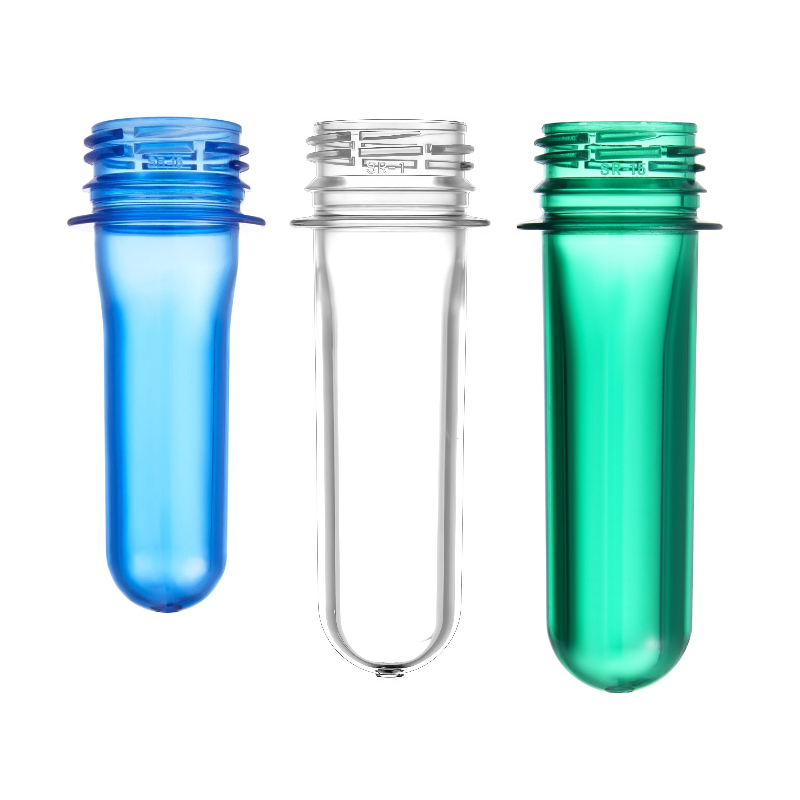
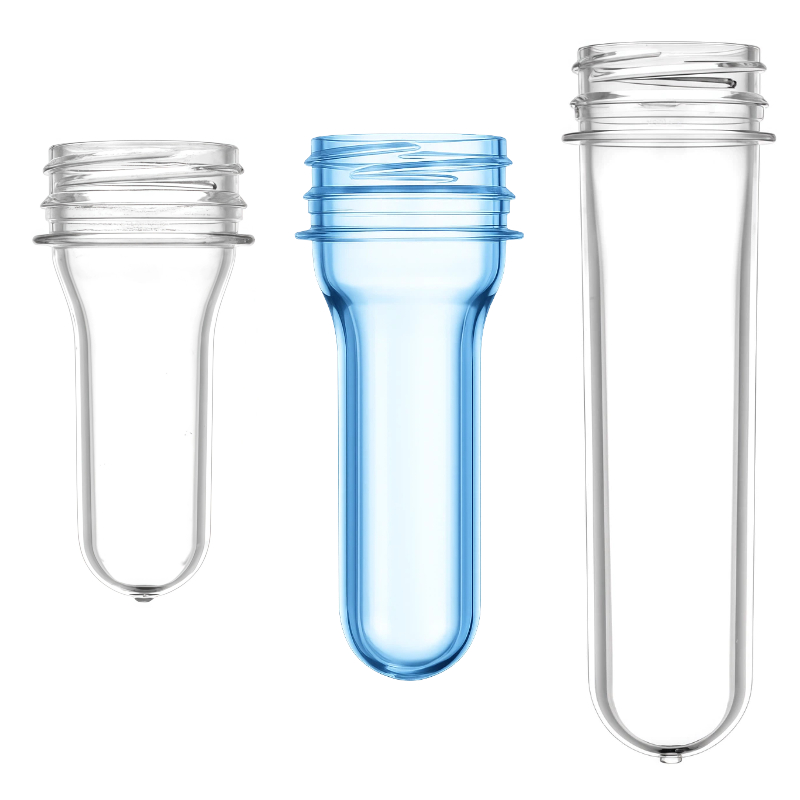
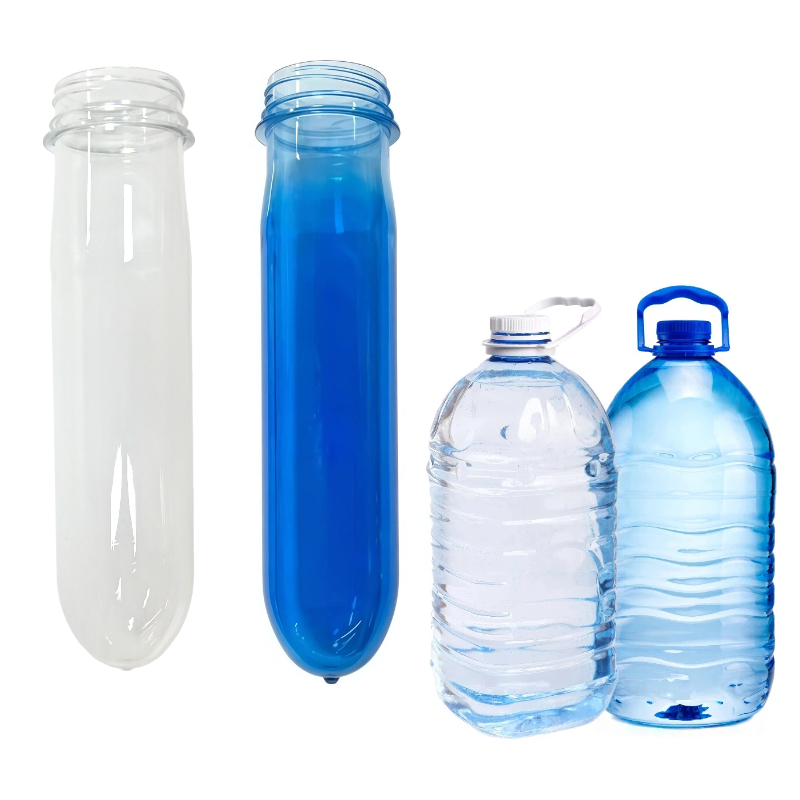
Preform color influences the final bottle appearance (tint, warmth, clarity perception) and can support functional goals (light management for sensitive beverages). The key is to keep the change in the material system controlled so it does not disturb molding stability, clarity targets, or downstream blow performance.
Cap style: the tactile brand cue that must seal perfectly
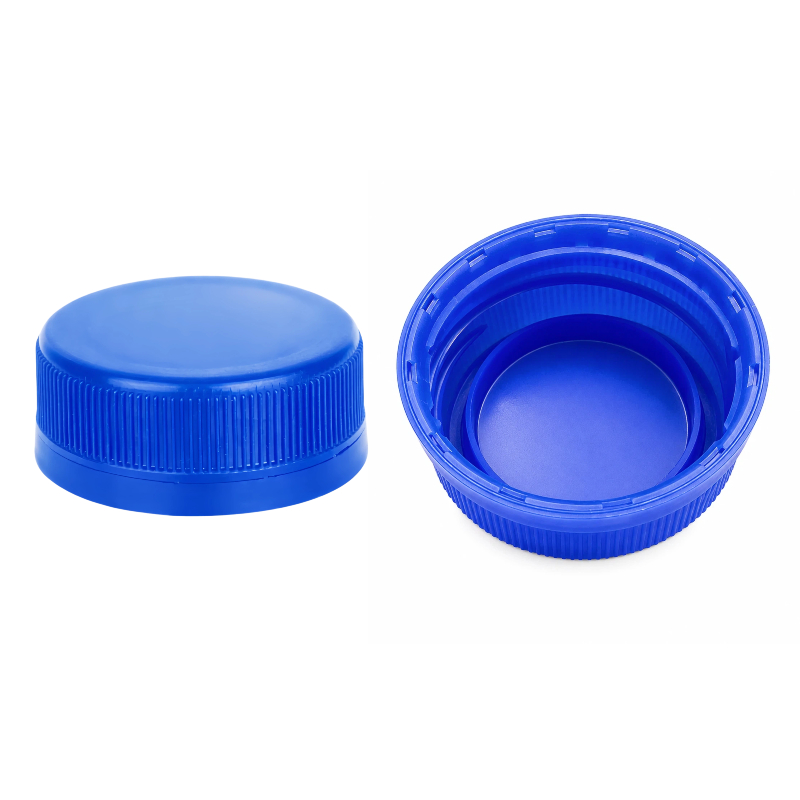
Caps are high-impact branding elements because they combine color, geometry, texture, and tamper evidence in one component. But caps are also “functional parts.” If the cap/neck interface is not correct, you see immediate losses as leaks, torque failures, or tamper-band issues.
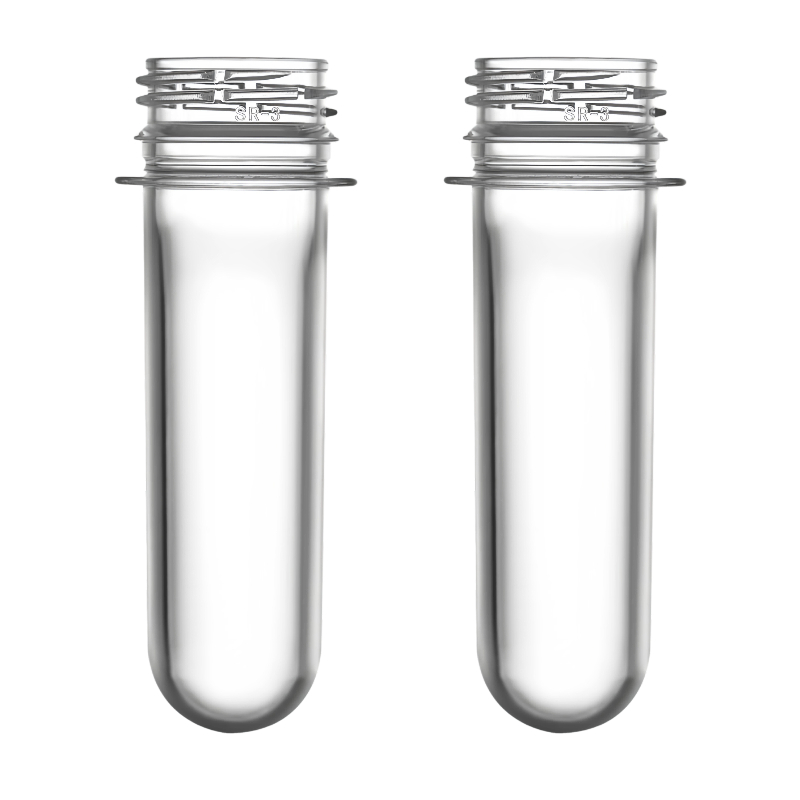
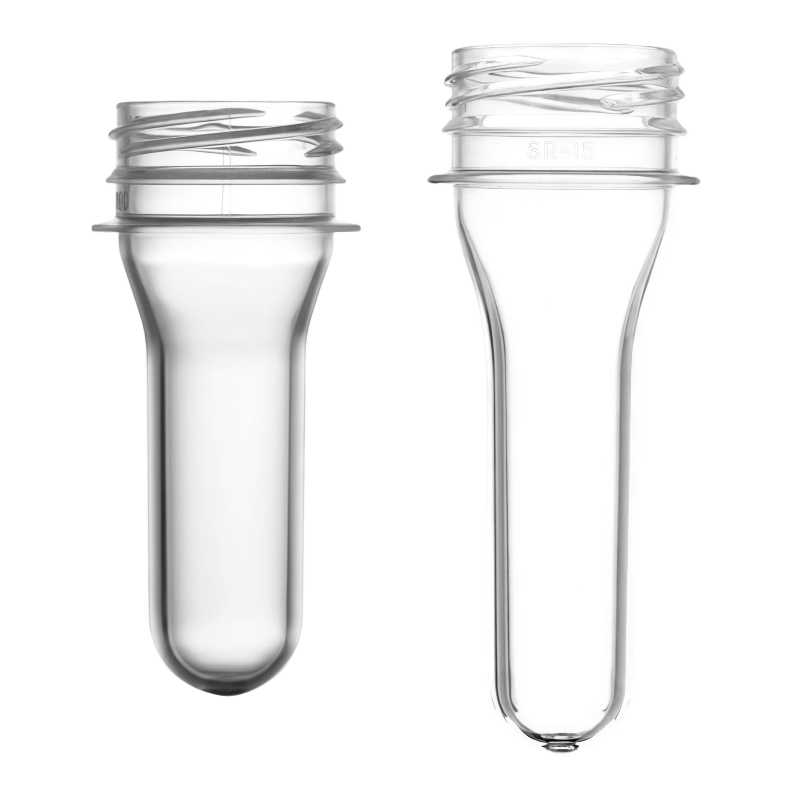
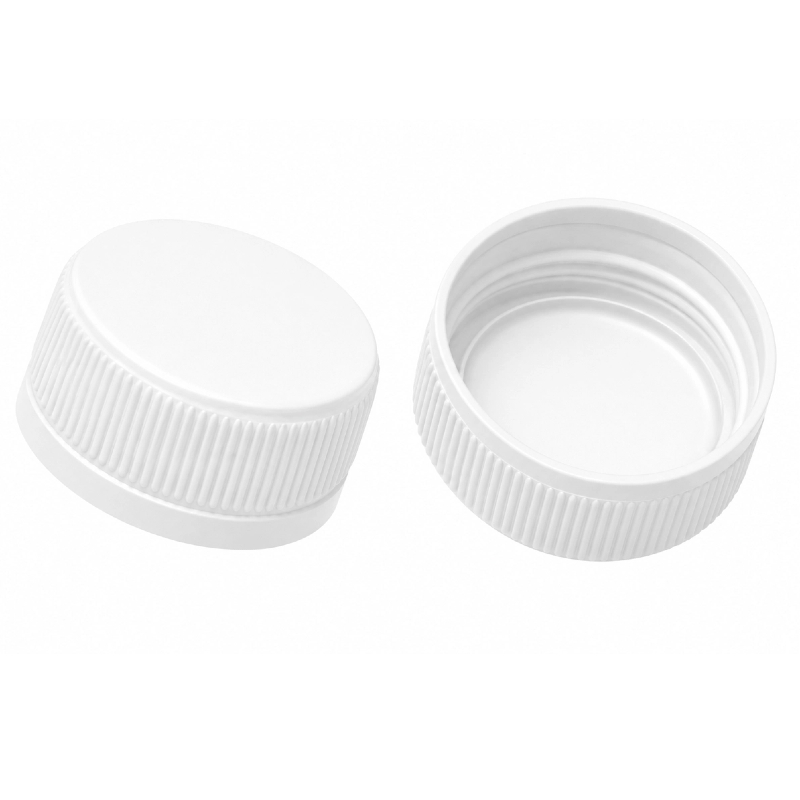
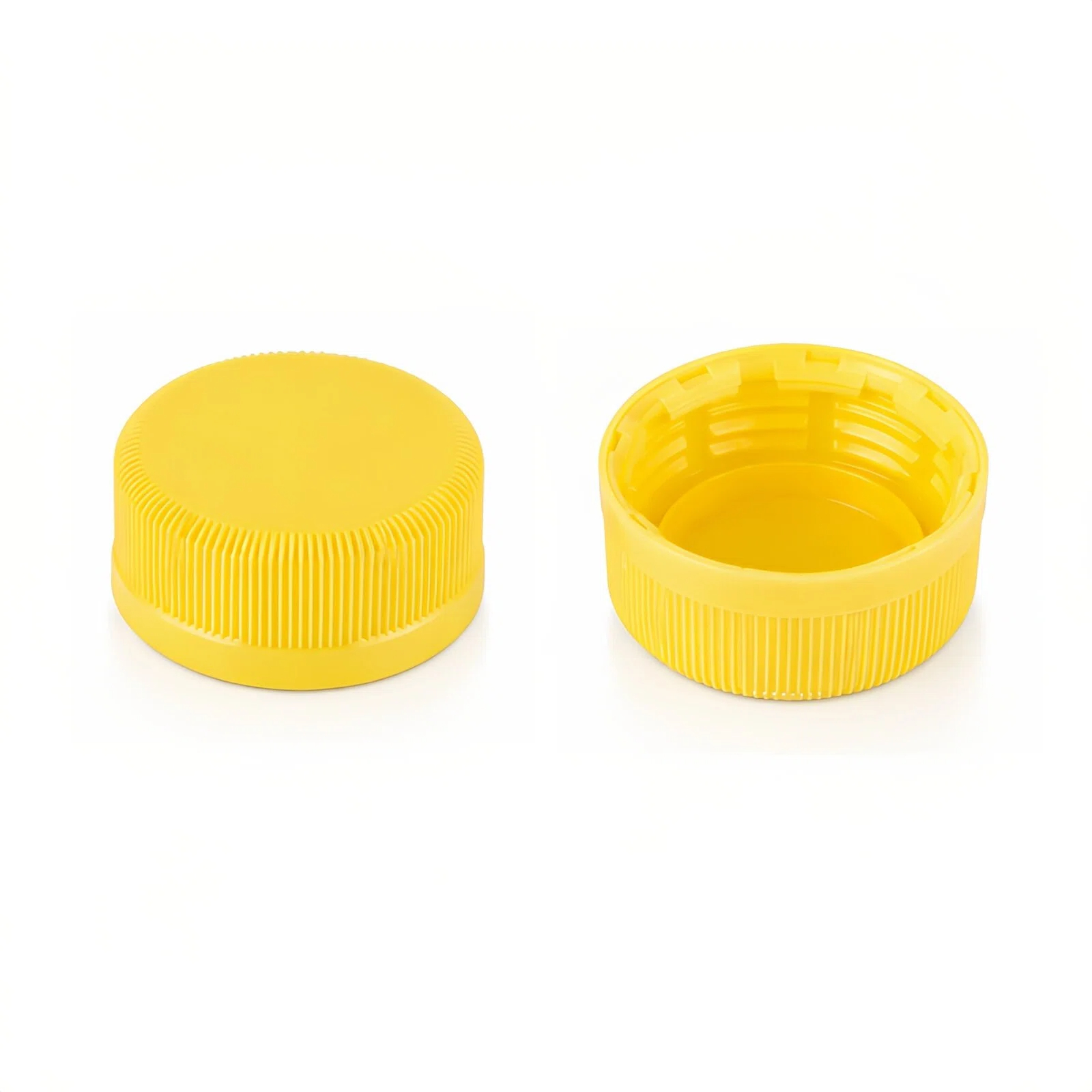
If you want to review typical neck finishes and cap families we produce, these are our core ranges: our PET preforms page and plastic bottle caps page.
The baseline decisions that prevent yield loss before you customize anything
Most yield problems blamed on “custom colors” or “new cap designs” are actually caused by missing or unstable specifications. Before we run samples, we align on a baseline that protects the process window.
Lock the neck finish and compatibility first
Neck finish is where preforms and caps physically meet. Changing it late creates avoidable risk because it affects both injection molding and your capping performance. Typical beverage programs standardize around established finishes (for example, common 28mm families and other widely used diameters) and then customize color/texture/branding details within that standard.
- Choose a neck finish that matches your filling/capping equipment and your beverage type (still water, carbonated, sports drink, juice, etc.).
- Confirm cap thread match and tamper-evident band behavior on your line before scaling a new decorative concept.
- Keep the neck finish constant if your goal is “brand differentiation without yield loss.”
Define what “no yield loss” means in measurable terms
We recommend setting targets that production teams can verify, such as: start-up scrap allowance, acceptable color tolerance, allowable haze range, cap torque window, and leak rate target. When these are defined upfront, customization becomes a controlled project rather than trial-and-error.
If you need support translating brand intent into manufacturable specs, our team handles preform/cap customization as part of our technical service workflow—see our service page.
Custom preform color without yield loss: the controls that keep molding stable
Color is not just a visual choice; it is a controlled formulation. The way color is introduced (and how consistently it is dosed) determines whether you keep cycle stability and cosmetic quality.
Use masterbatch correctly and keep dosing repeatable
For most beverage preforms, color is introduced via masterbatch at low let-down rates. Consistent feeding matters: unstable dosing shows up as streaking, shade drift, or “cloudy” appearance—issues that quickly become scrap at high output.
If your team is comparing pellets, rPET options, regrind strategy, and masterbatch approaches, we have a practical reference here: our guide to PET preform raw materials (including masterbatch).
Protect clarity and mechanical performance with moisture and IV discipline
PET is moisture-sensitive at processing temperatures. If drying and handling are not disciplined, you can see IV loss, haze, and brittleness—then operators increase temperatures or pressures to compensate, which often increases defects.
- A common production target is keeping resin moisture at ≤50 ppm before molding.
- Many plants operate dryers in the 160–180°C range with 4–6 hours residence time (adjusted by dryer design and throughput).
- Typical beverage resin IV often falls roughly around 0.72–0.86 dL/g depending on bottle requirements; keeping IV consistent is more important than chasing “more color.”
A practical color-change playbook that avoids scrap spikes
If you switch colors frequently (for example, clear → light tint → deep tint), the fastest way to lose yield is uncontrolled transition material. We plan changeovers as a sequence with clear release criteria.
- Sequence colors from light to dark whenever possible to minimize purge waste and color contamination.
- Stabilize dosing and melt before judging color—shade drift during the first part of a changeover is expected and should be isolated from “saleable” output.
- Release production only after consecutive samples meet your agreed color tolerance and cosmetic standards (for many brands this includes a tight shade tolerance such as ΔE ≤ 1.0, if you are using instrumented color control).
- Keep records of start-up parameters so future runs repeat the same window instead of re-learning it every time.
Result: when dosing, drying, and release criteria are controlled, custom preform color becomes a stable variable rather than a yield risk.
Cap style choices that strengthen branding while keeping sealing performance safe
Cap “style” is often discussed as aesthetics, but the line cares about function: thread engagement, tamper-evident integrity, compression seal behavior, and torque repeatability. The smartest differentiation choices are the ones that do not disturb those fundamentals.
Low-risk ways to differentiate caps
- Color matching to brand palette (with controlled pigment systems to avoid brittleness).
- Surface texture adjustments (grip feel) that do not alter thread geometry.
- Top embossing/debossing for subtle branding without changing linerless sealing geometry.
- Tamper-evident band style refinement, provided it is validated on your capping heads and application torque window.
Higher-impact changes to treat as a technical project
If you change cap diameter/family or the full neck finish, the program can still succeed—but treat it as a qualification project because it affects preform molds, blow behavior near the neck, and capping performance. For reference on common 28mm families, you can review: our 28mm PET preforms page and our 28mm caps page.
| Differentiation option | Typical yield risk | Control strategy that protects output |
|---|---|---|
| Preform tint (light/transparent) | Low | Stable masterbatch dosing, moisture control, clear release criteria for shade/haze |
| Preform deep color / opacity | Medium | Qualification of reheat/blow behavior, color migration control during changeovers |
| Cap color change (same geometry) | Low | Pigment system validated for toughness; maintain torque window and TE band behavior |
| Cap texture / top mark (same sealing) | Low–Medium | Keep thread and sealing land unchanged; line trial for application consistency |
| Neck finish or cap family change | High | Treat as qualification: mold/tooling alignment, capper setup validation, leak/torque studies |
Keeping yield stable during changeovers: what we ask customers to standardize
If your business runs multiple SKUs, the “hidden” cost is usually changeover instability, not the custom design itself. We keep yield stable by standardizing how transitions are executed and how quality is released.
What to standardize on the preform side
- A single, documented drying and handling routine to prevent moisture spikes between runs.
- A color transition sequence plan (light-to-dark) to reduce mixed-color scrap.
- A defined “release gate” (shade tolerance + cosmetic accept/reject criteria) before parts are packed.
- Regrind limits aligned to your clarity and appearance requirements (many operations use controlled ranges such as 5–20%, adjusted to customer specs and process stability).
What to standardize on the cap side
- Torque window and capper settings documented by cap type (especially if you run multiple cap colors/material lots).
- A leak test routine (even a simple, consistent sampling plan is better than “only test when there is a complaint”).
- Tamper-evident band performance check on the actual bottle/neck combination used in production.
Operational takeaway: when changeovers are treated as repeatable procedures with measurable release gates, custom colors and cap styling stop being a yield variable.
A specification template that speeds up sampling and protects your timeline
To move quickly without sacrificing stability, we recommend sending a single page of “decision-ready” inputs. This prevents redesign loops that typically cause the biggest schedule and yield disruptions.
| Item | What to specify | Why it matters for yield |
|---|---|---|
| Beverage application | Still / carbonated / juice / sports drink / other | Defines pressure, sealing, and performance targets |
| Neck finish | Standard finish family and dimensions | Prevents cap mismatch and leakage rejects |
| Preform weight & bottle volume | Target grams and bottle size range | Determines blow behavior and material performance window |
| Color target | Pantone/visual reference + tolerance (e.g., ΔE) | Prevents rework caused by subjective shade decisions |
| Appearance requirement | Transparency / haze limit / gloss preference | Controls the main drivers of cosmetic scrap |
| Cap style requirements | Color, texture, top mark, TE band expectations | Differentiation without changing thread/seal geometry |
| Line performance targets | Torque window, leak criteria, sampling plan | Creates objective acceptance and protects yield |
| Volume & cadence | Forecast volume, order frequency, SKU count | Enables sensible run planning and changeover sequencing |
When customers provide these inputs upfront, we can usually reduce sampling loops and keep the program focused on scale-ready choices instead of re-deciding basics.
How we deliver brand differentiation without yield loss as a supplier
Our role is to make customization “industrial,” not experimental. We do that by combining stable tooling with disciplined process control, and by treating color/cap styling as part of an end-to-end packaging system (preform + cap + line behavior).
What customers typically rely on us for
- Supplying standard and customized PET preforms across common neck sizes, with controlled weight and cosmetic quality.
- Supplying matching caps and supporting compatibility decisions so sealing performance remains stable during ramp-up.
- Helping customers define measurable acceptance criteria (shade tolerance, torque window, leak criteria) so “no yield loss” is a verifiable outcome.
We operate as a production-scale partner with 5000 m² factory area and 50+ automated production equipment, supported by 500+ technical staff and 10+ years of industry experience—so we focus on repeatability, not one-time prototypes.
If you want to align on a custom preform color and cap style program that is designed to hold yield steady, start by sharing your baseline specs and target look/feel. You can review our ranges here (our product page) or reach us directly via our contact page.