

 English
Why Caps Are Now Tethered to Bottles: One Rule, Global Ripple Effect
Content
One Sentence in Article 6 That Changed Bottle Design
Somewhere in a beach cleanup dataset compiled by the European Commission, plastic bottle caps kept showing up near the top of the list of items collected. Not bottles — caps. Small, light, easy to lose track of once separated from the container they came from, and small enough to slip past sorting equipment at recycling facilities.
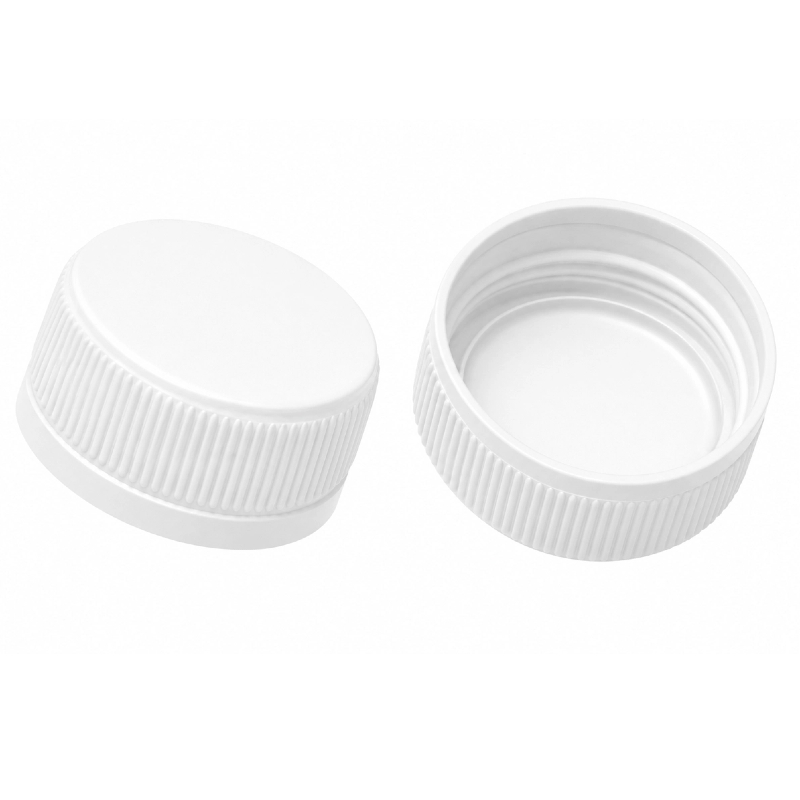
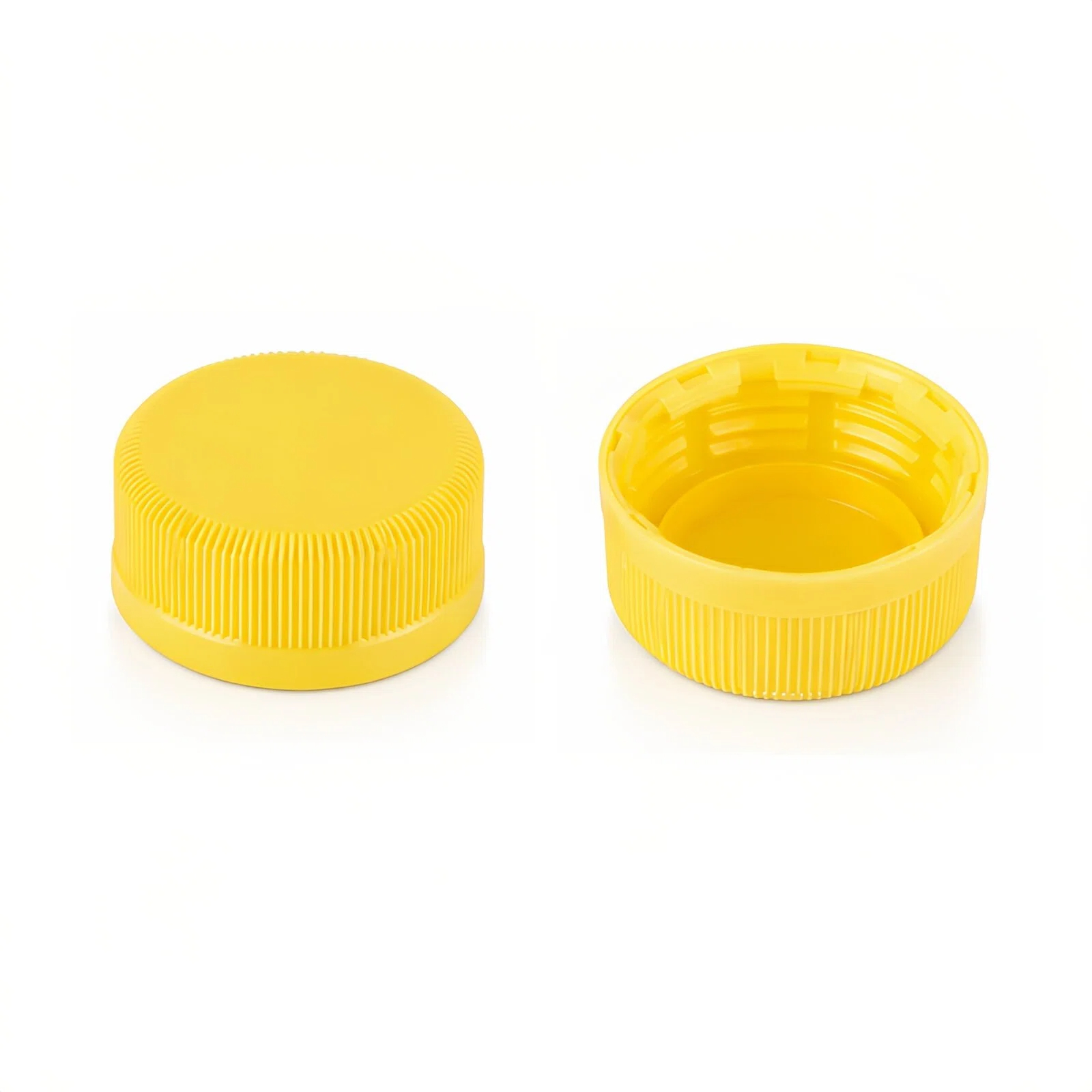
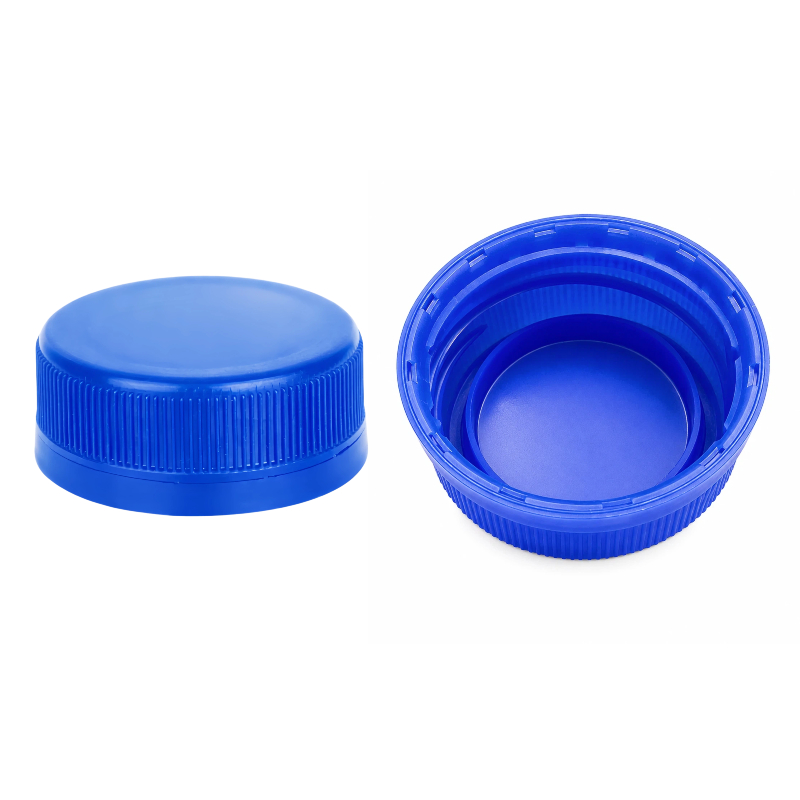
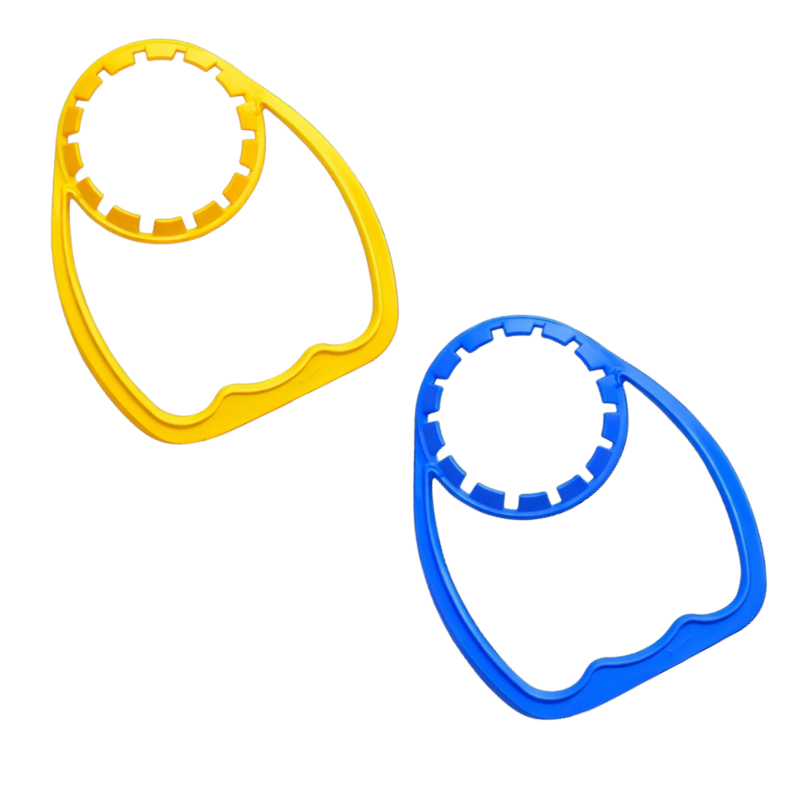
That observation is what sits behind Article 6 of the EU's Single-Use Plastics Directive (2019/904), which requires that plastic caps and lids on beverage containers up to three liters stay physically attached to the bottle throughout use. The rule doesn't apply to metal caps with plastic seals, and it covers the full range of beverage categories — water, soda, juice, dairy drinks, sports drinks. As of July 2024 it's been fully in force, and major beverage brands operating in EU markets have already converted their production lines to comply.
What looks like a minor packaging tweak from the outside is, from inside a bottling plant, closer to a structural redesign. Keeping a cap attached after opening isn't a matter of gluing on a string — it changes how the cap seats, how it hinges, and critically, how the neck of the bottle it's screwed onto needs to be shaped.
The Ripple Reaches the Neck Finish, Not Just the Cap
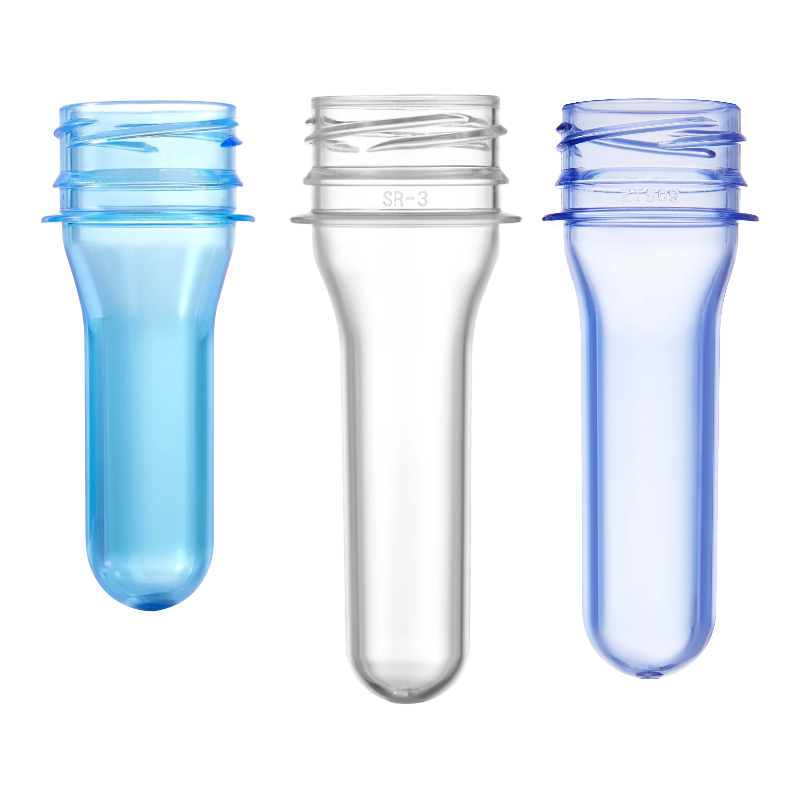
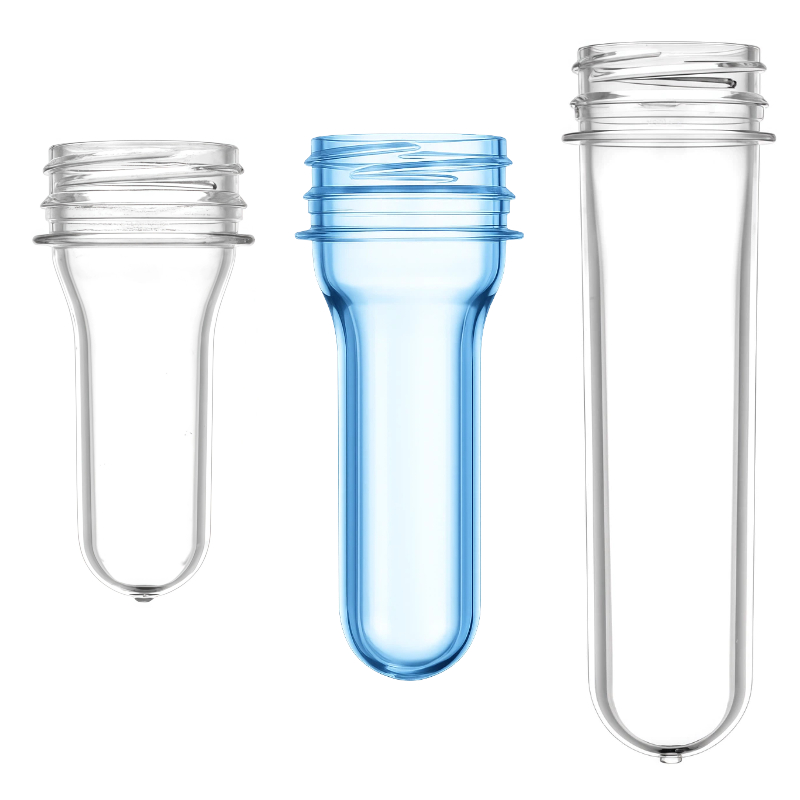
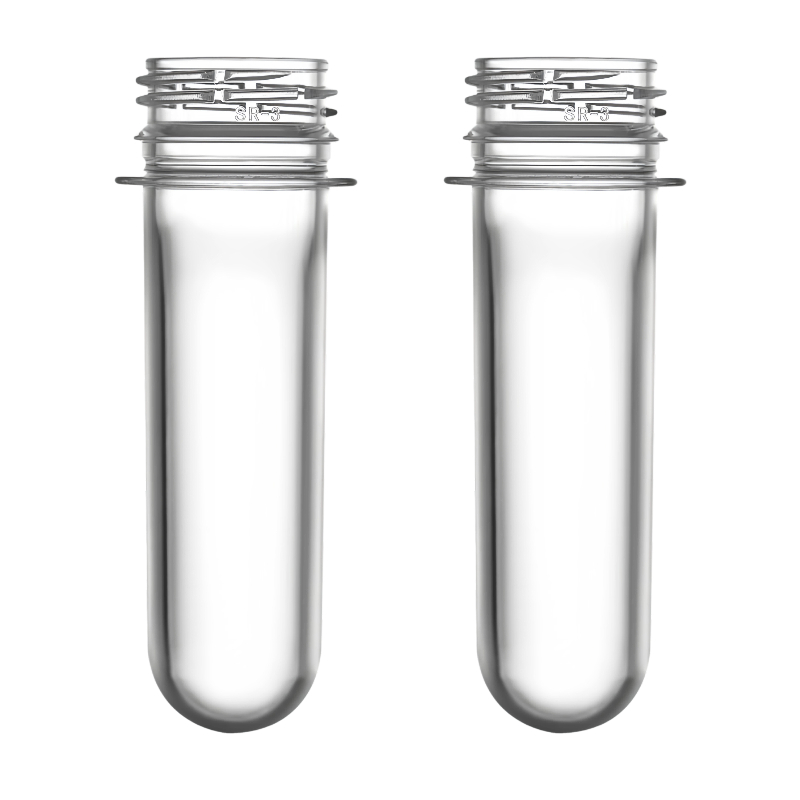
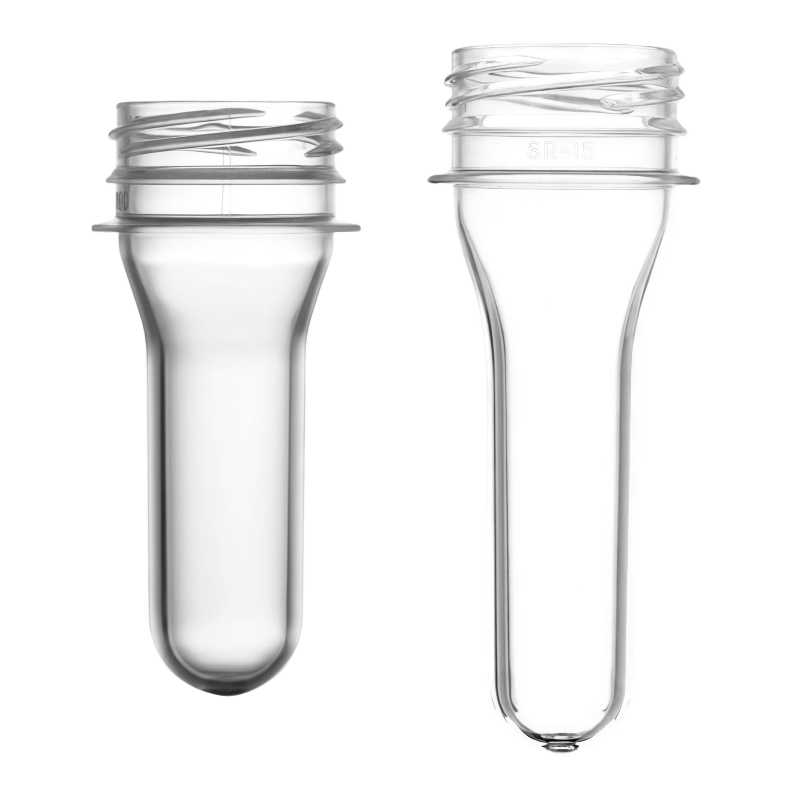
A tethered cap needs a hinge or strap that stays intact through repeated open-close cycles without cracking, and that hinge has to anchor to something. In most designs, that anchor point sits at the base of the cap, right where it interfaces with the bottle's neck finish. Changing the cap geometry there means the neck thread, tamper-band seat, and support ring on the preform often need adjusting too, so the new cap still seals correctly and survives the torque of capping-line equipment.
That's the part of the story that gets skipped in most consumer-facing coverage of tethered caps. The regulation talks about caps, but it lands on preform tooling. Standardized neck finishes — the kind used across PCO thread systems — exist precisely so that a change like this can be absorbed without every bottler redesigning from scratch. Where a neck finish is standardized, a compliant cap and a compliant preform can be sourced from different suppliers and still fit. Where it isn't, mold changes cascade further than they need to.
This is also why the 38mm neck finish has become a useful reference point in the wider conversation — its role in packaging standardization across supply chains makes it easier for tethered-cap conversions to happen at the cap-mold level without forcing wholesale changes to preform tooling everywhere it's used.
The Global Map Is Redrawing Itself
The EU mandate was the first legislative push of its kind, but it isn't staying contained to Europe. Illinois passed SB 0132, which will require tethered caps on beverage containers by 2029 — the first concrete state-level mandate of its kind in the United States. Industry forecasts point to further regulatory spread into Southeast Asia and Latin America over the next decade, alongside continued voluntary adoption by multinational brands that want one packaging format across every market they sell in, regulated or not.
That voluntary adoption matters as much as the legal mandates. A brand exporting to both the EU and non-regulated markets often finds it simpler to standardize on tethered caps everywhere than to run two separate packaging lines — one compliant, one not. That decision, multiplied across enough multinational buyers, is quietly pulling tethered-cap tooling into markets the regulation itself never touched.
What This Means If You're Exporting Beyond the EU
For a beverage brand or bottler that doesn't currently sell into the EU or Illinois, tethered caps might still look like someone else's problem. But packaging tooling has a long lead time, and neck-finish changes aren't something a factory retools overnight. Brands with any EU-adjacent export ambitions — or customers who might request it — are generally better served evaluating tethered-compatible neck finishes now, while it's a planning decision rather than an urgent retrofit.
Preform buyers weighing this shift don't need to commit to a full tooling overhaul immediately. Starting with a neck finish that's already compatible with tethered-cap hardware — such as options within our 28mm PCO 1881/1810 preform range — keeps the door open for a compliant cap later without forcing a redesign of the bottle itself.