

 English
After the Lightweighting Race: What's Next for Beverage Packaging
Content
Twenty-Five Years of Shaving Grams
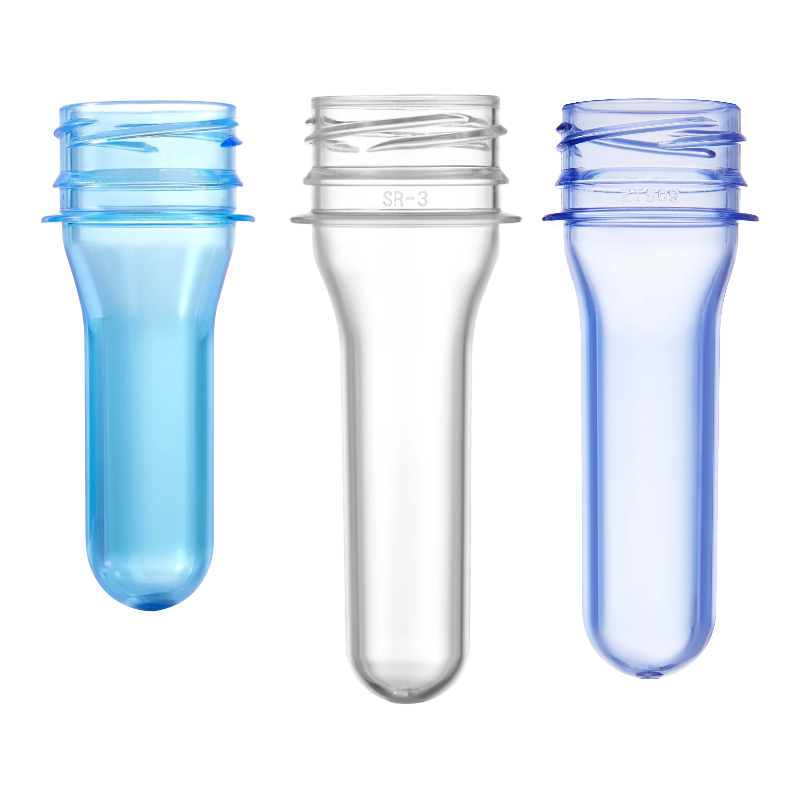
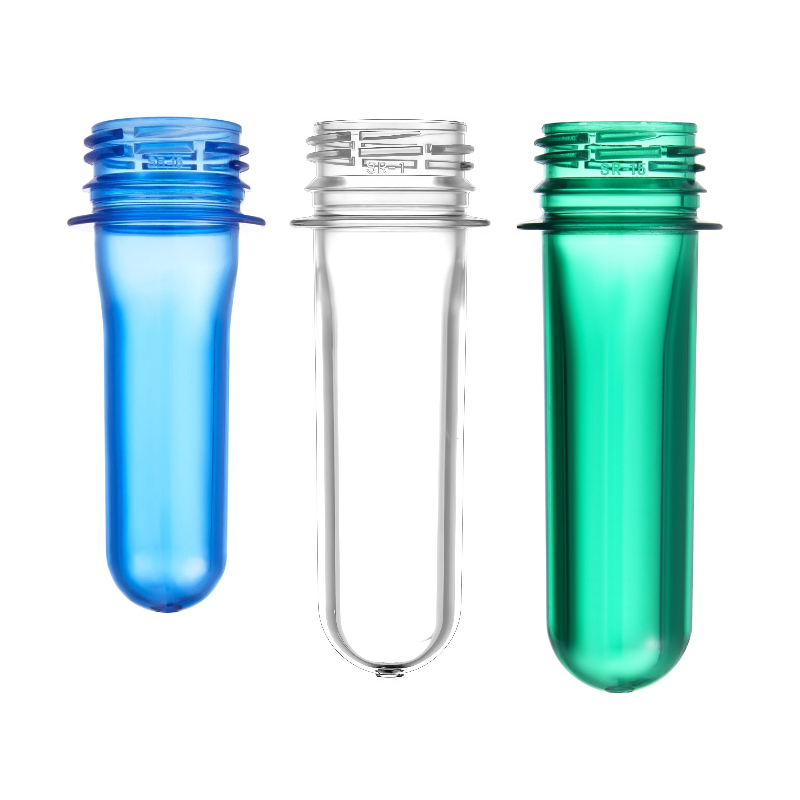
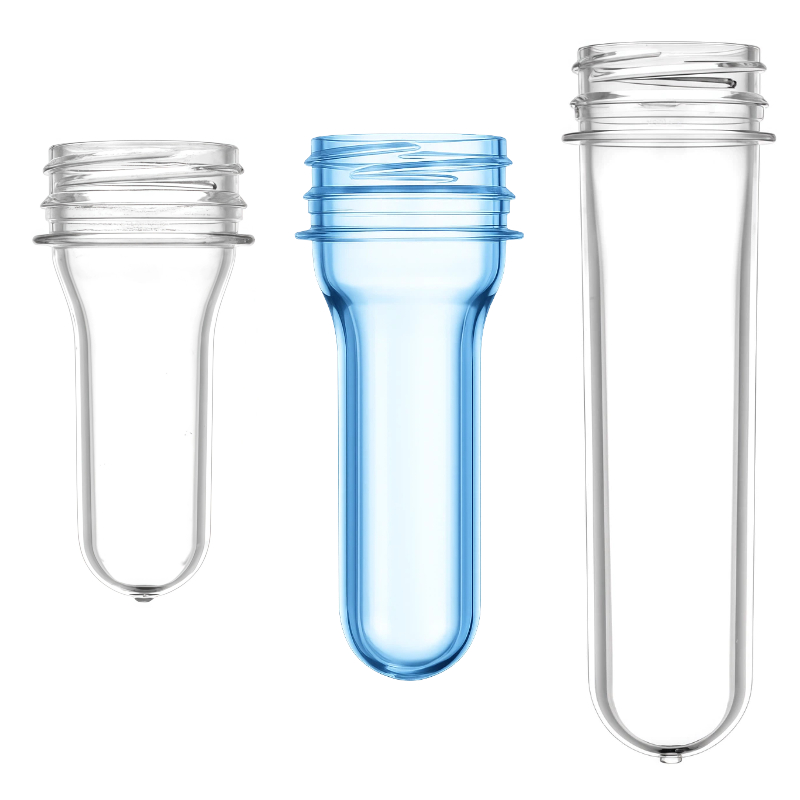
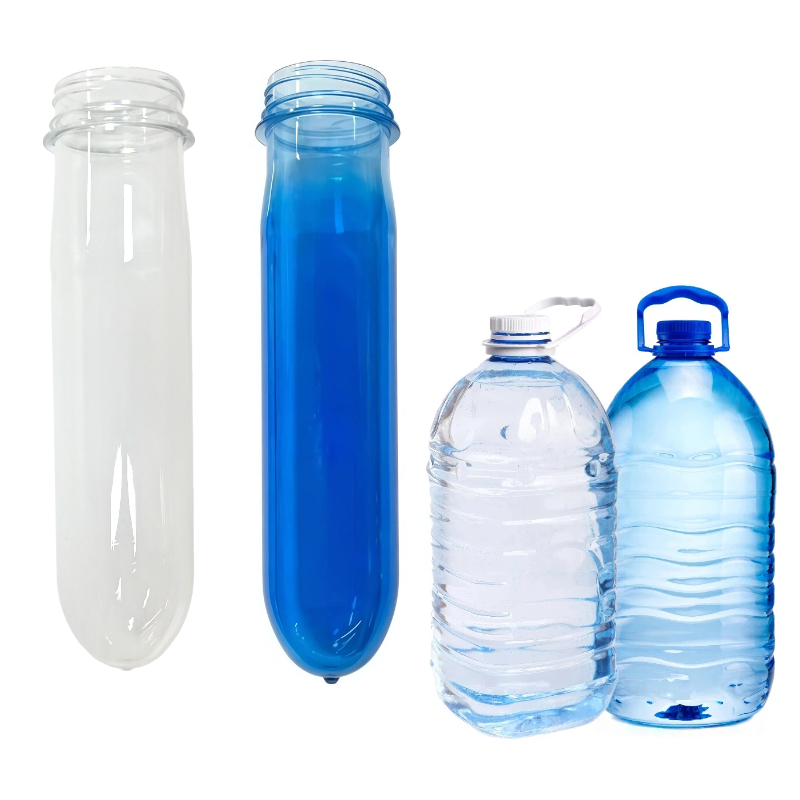
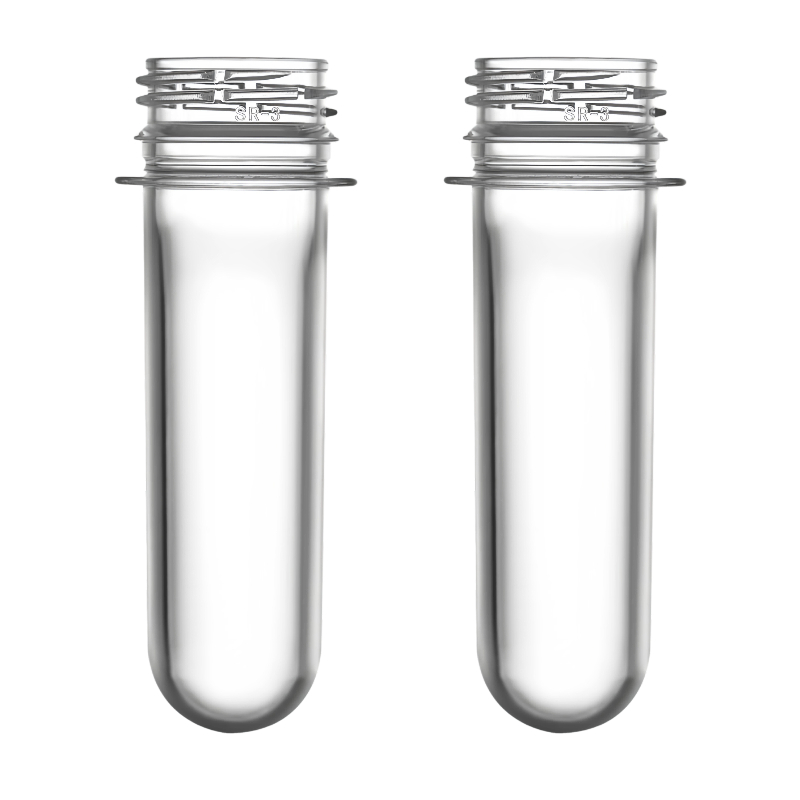
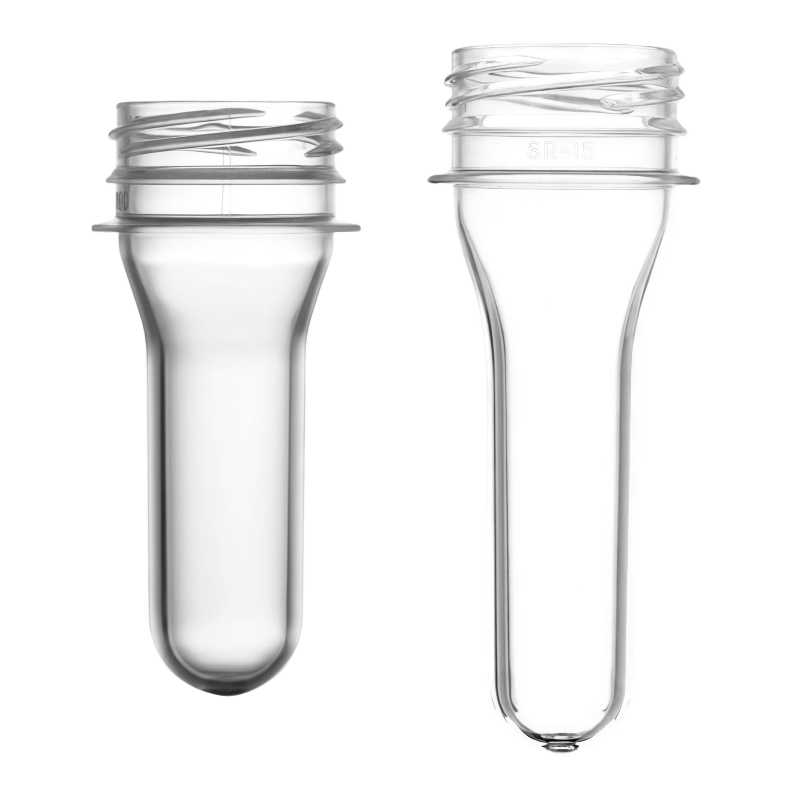
Pick up a 0.5-liter water bottle today and it weighs roughly half what an equivalent bottle weighed at the start of the millennium. That isn't a rounding error — it's a quarter-century of engineers pulling grams out of preform walls, one design iteration at a time, and the incentive behind it was never purely environmental.
PET resin is the single largest cost driver in producing a bottle, and the math on weight reduction is unusually direct: a 5% reduction in part weight can return roughly 4.4% in cost savings. Multiply that across production runs measured in tens of millions of units, and lightweighting stopped being a sustainability talking point decades ago — it became the default lever every preform manufacturer reached for first. Manufacturers pushed preform weights down 20 to 30% in successive rounds, each time treating it as the obvious next move rather than a difficult tradeoff.
That's precisely what makes the current moment worth pausing on. For most of that history, lighter meant cheaper meant better, full stop. That equation is starting to break down — and understanding why matters more than knowing how preform weight affects bottle production cost in the abstract.
Why the Curve Is Flattening
Every gram removed from a preform wall has to come from somewhere, and eventually that somewhere is structural margin. A bottle needs enough wall thickness to survive a drop test, hold its shape under the vacuum created by hot-fill cooling, and resist buckling when it's stacked six pallets high in a warehouse. Push weight reduction far enough and you start trading against one of those requirements, not around it.
This is why lightweighting gains have slowed rather than stopped. The easy grams — the ones that came from better mold design, more precise wall-thickness control, and refined base geometry — have largely been captured already. What's left requires either a redesign of the entire container shape or a change in what the bottle is made of, and both of those are bigger decisions than shaving another half-gram off the preform.
The Bill Comes Due at the Recycling Plant
There's a less-discussed side effect to two decades of lightweighting, and it shows up downstream at the material recovery facility rather than on the production line. As bottles get thinner and lighter, a growing share of the plastic entering recycling streams by weight comes from PET thermoforms — clamshells, trays, and similar packaging — rather than bottles. Recycling data trackers have observed this shift directly, noting that lightweighting means thermoforms now take up a larger fraction of bale weight even where bottle collection volumes hold steady.
That matters because bottle-grade PET and thermoform-grade PET don't behave identically in reprocessing. A recycling stream carrying a heavier share of thermoforms relative to bottles changes the economics and consistency of the recycled material coming out the other end — which circles right back to affect the rPET available for making new preforms. Lightweighting didn't just make bottles cheaper to ship; it quietly reshaped what's available in the recycling loop it depends on.
Where the Weight Savings Go Next
The industry's next efficiency gains are increasingly coming from material composition rather than material quantity. Instead of asking "how much lighter can this preform get," the more useful question has become "what's actually in this preform" — how much of it is recycled content, how well that content performs against clarity and strength requirements, and how recyclable the resulting bottle remains at end of life.
That shift changes what "efficient" packaging looks like. A preform that holds its weight steady but increases its recycled content meaningfully can deliver a stronger environmental case than one that's marginally lighter but made entirely from virgin resin. Getting that balance right depends heavily on how resin grade and material choice affect clarity, strength, and recyclability, since not every rPET blend performs the same way across bottle formats.
A Practical Lens for Preform Buyers
For a buyer deciding where to focus, the question worth asking isn't whether to keep lightweighting — it's whether the specific application still has room to give. A high-volume water bottle running on mature tooling may have little weight left to shed without risking failures on the filling line. A newer product line, or one still running on an older mold design, may still have meaningful gains available.
Either way, the conversation with a preform supplier is worth widening beyond gram counts. Asking about recycled-content options and material sourcing tells you more about long-term packaging efficiency than asking for another half-gram off the spec sheet — and it's worth checking whether PET preforms actually hold up against eco-friendliness claims in practice before committing to a sustainability narrative that the packaging itself can't support.