

 English
What Is a PET Preform (Bottle preform)? A Complete Guide to PET Preforms
Introduction
Almost every PET bottle begins with a small, test-tube-shaped product known as a PET preform. Although it may look simple, the design and quality of the preform directly affect the appearance, strength, weight, production efficiency, and overall cost of the finished bottle. For bottled-water factories, beverage manufacturers, packaging distributors, and bottle producers, understanding PET preforms is essential when selecting the right packaging solution.
This guide explains what a PET preform is, how it is manufactured, how it becomes a finished bottle, the most common neck sizes and applications, and what buyers should consider when choosing a PET preform supplier.
What Is a PET Preform?
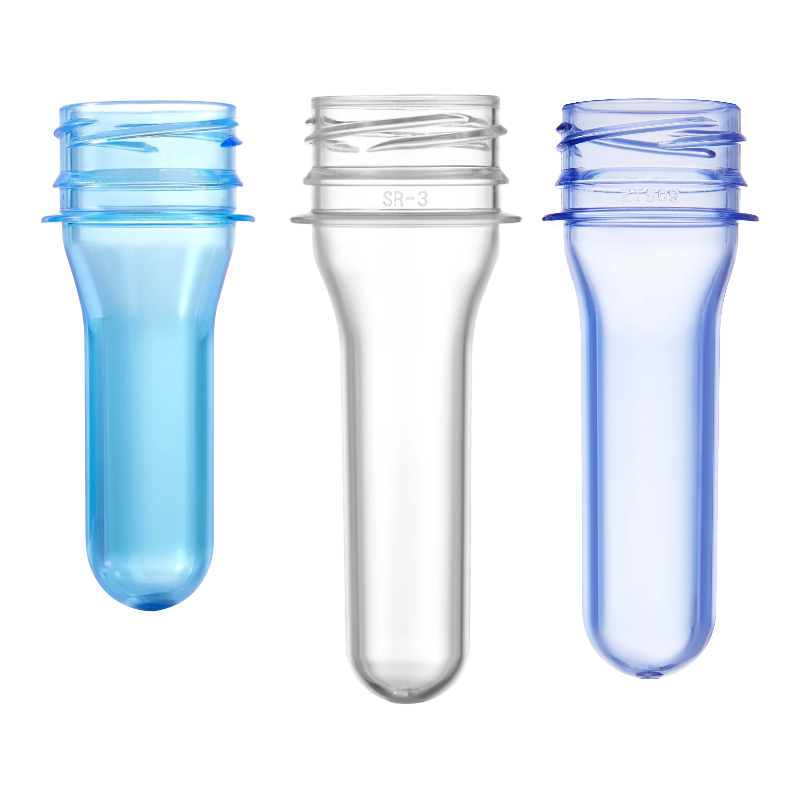
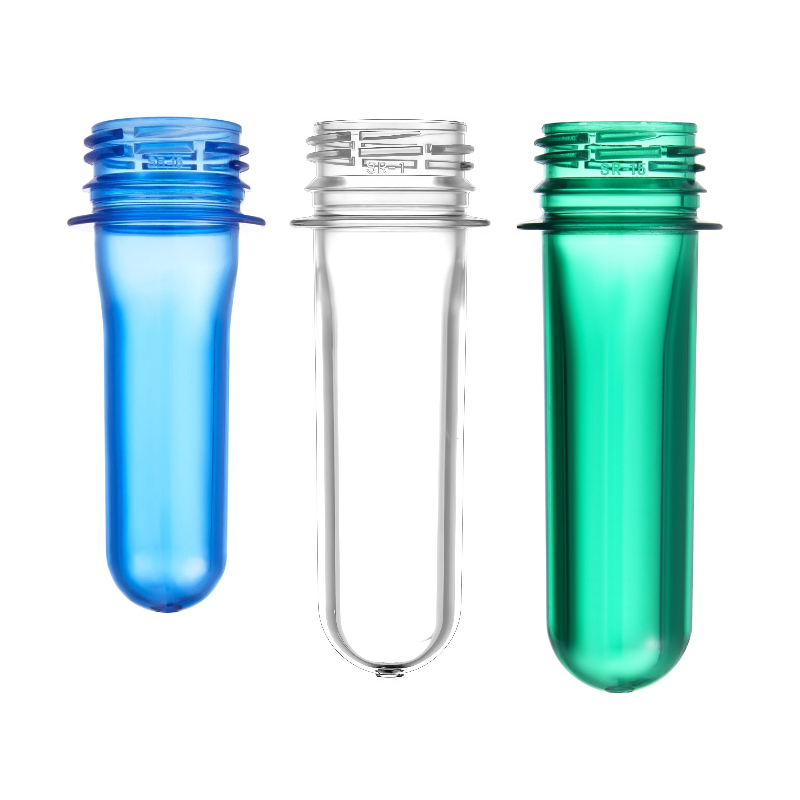
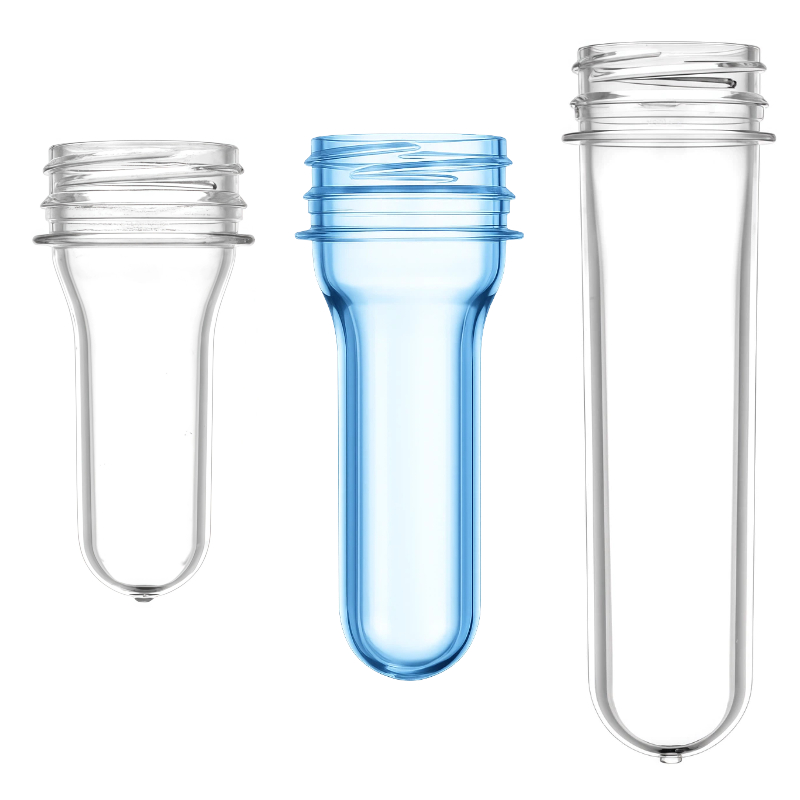
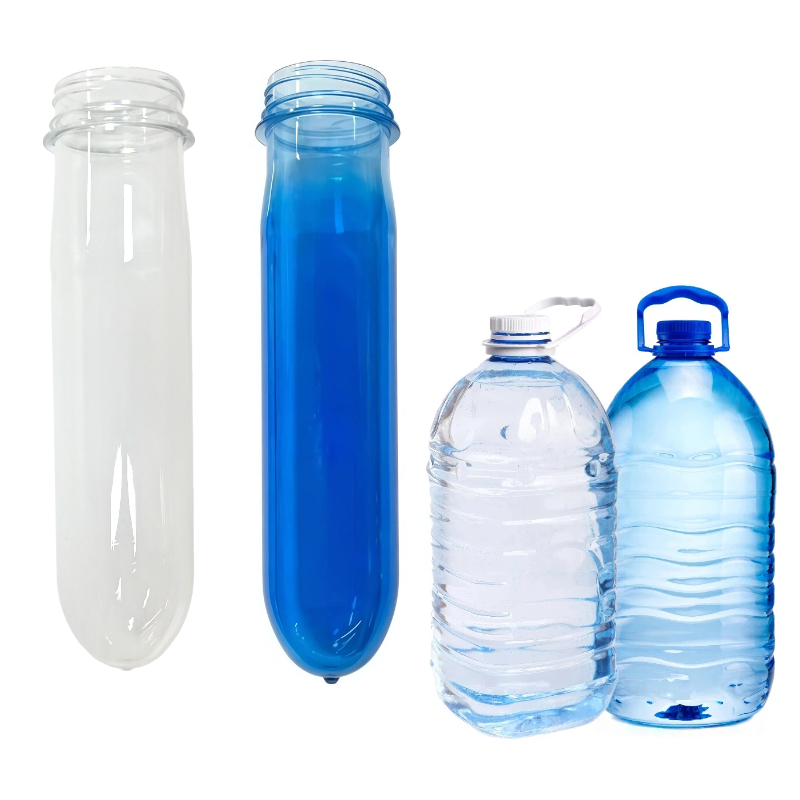
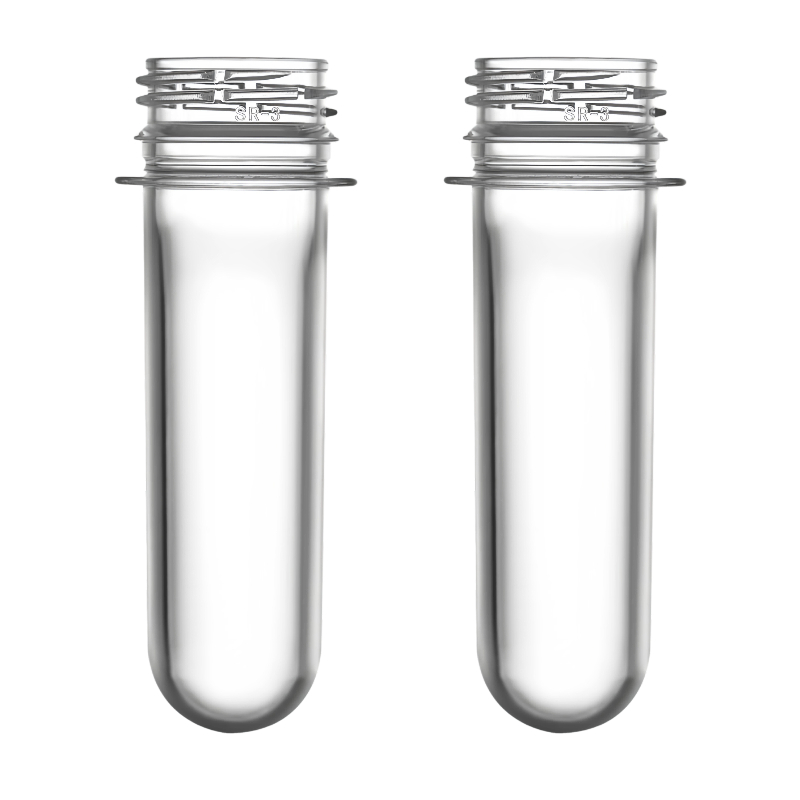
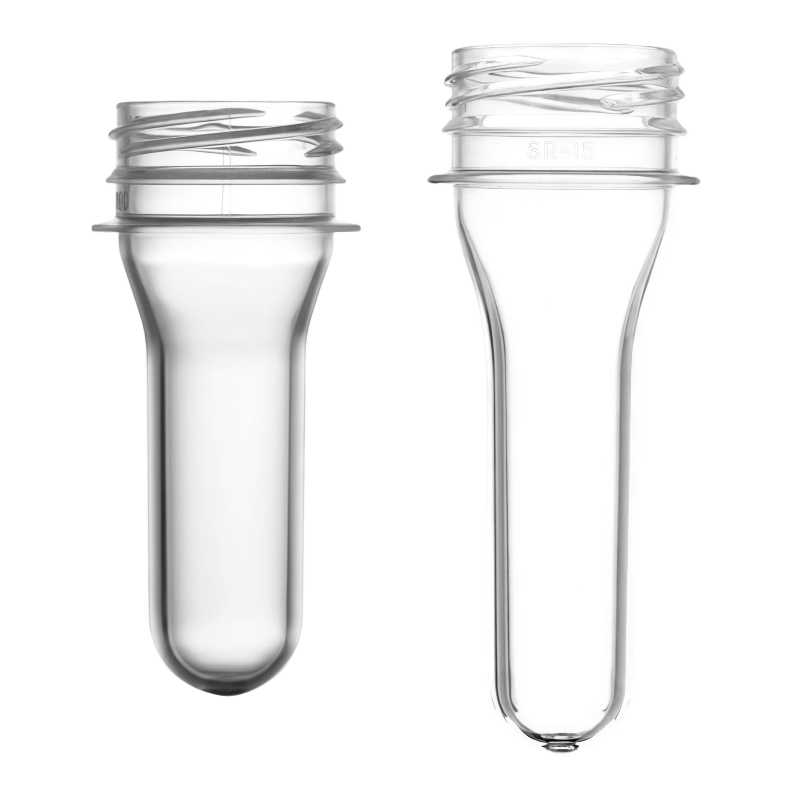
A PET preform is an injection-molded intermediate product used to manufacture PET bottles and plastic containers. It normally has a thick tubular body and a fully formed threaded neck. During bottle production, the preform is reheated and placed inside a blow mold. High-pressure air and mechanical stretching expand the preform until it takes the shape of the mold cavity.
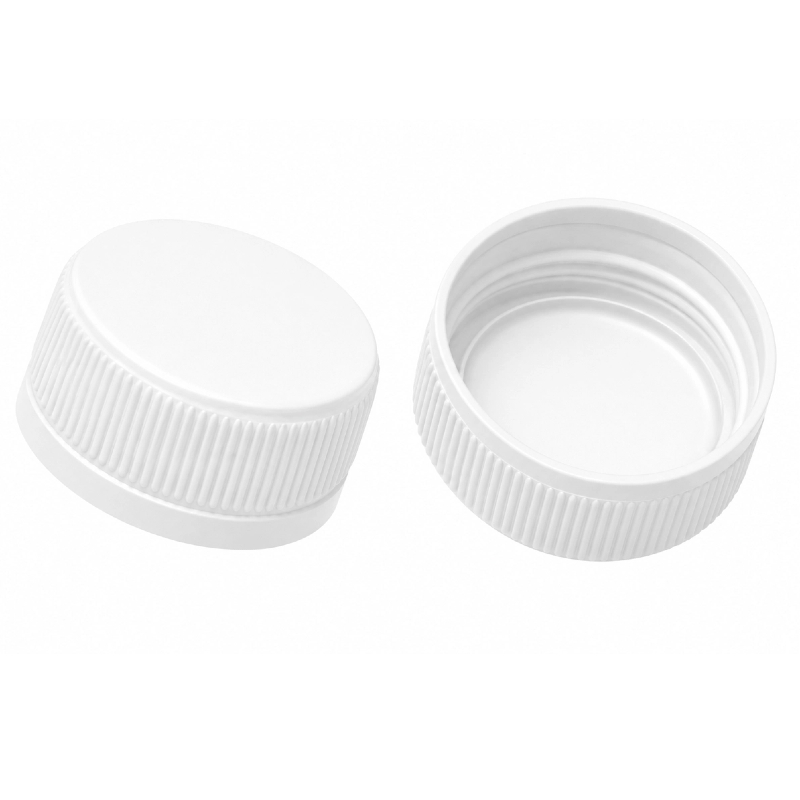
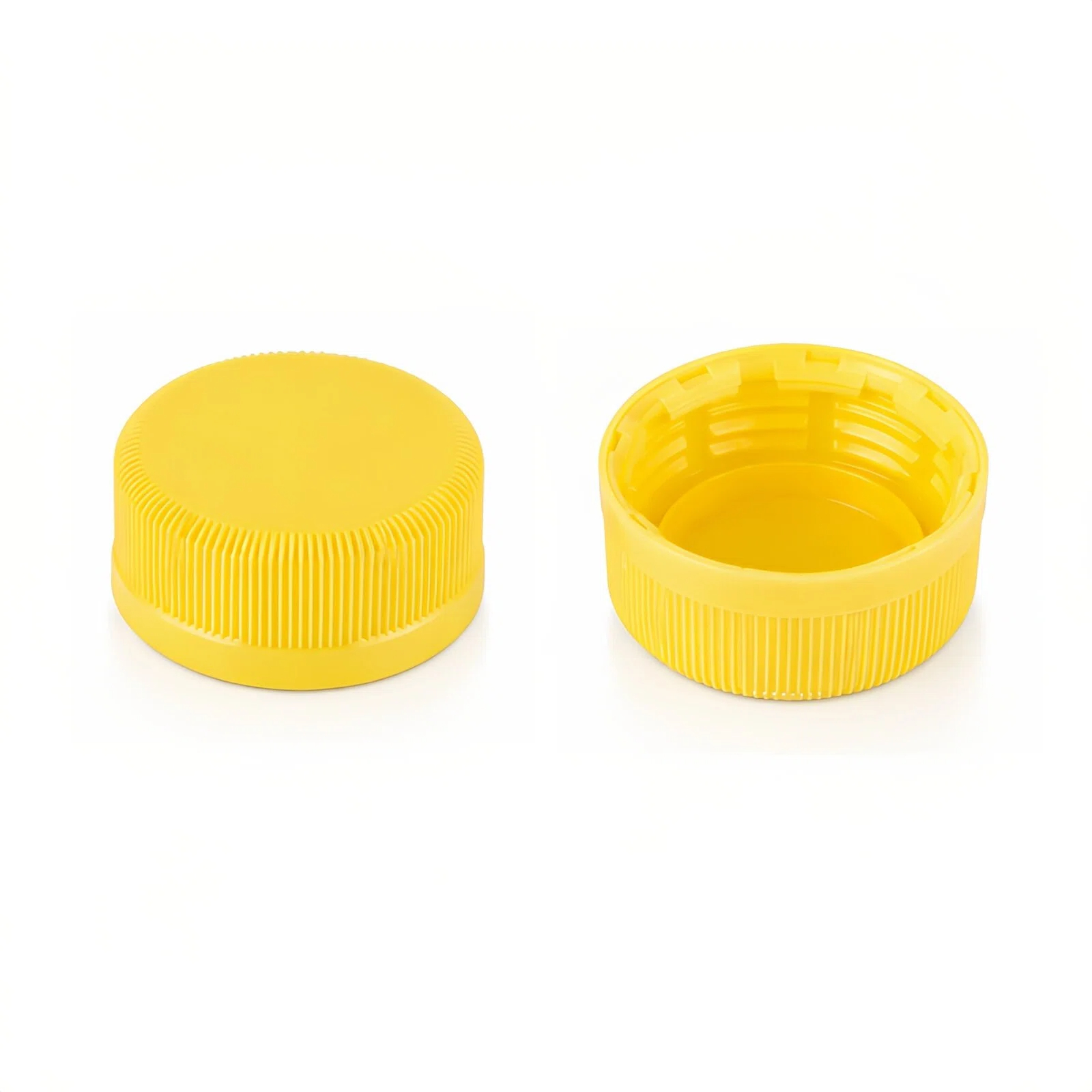
The body of the preform changes significantly during this process, but the neck finish, threads, and support ring remain almost unchanged. This is why the preform neck must accurately match the selected bottle cap and filling equipment.
PET preforms are commonly used for:
·Bottled water
·Carbonated soft drinks
·Juice and tea beverages
·Sports and functional drinks
·Edible oil
·Dairy beverages
·Personal care products
·Household chemicals
·Large-volume water containers
What Does PET Mean?
PET stands for Polyethylene Terephthalate, a thermoplastic polyester widely used in the packaging industry. PET is suitable for bottle production because it combines several important properties:
High transparency
·Lightweight construction
·Good mechanical strength
·Good impact resistance
·Stable processing performance
·Good gas and moisture barrier properties
·Suitability for many food and beverage applications
·Recyclability
These characteristics allow PET bottles to provide reliable packaging performance while reducing transportation weight and material consumption.
How Are PET Preforms Manufactured?
PET preforms are mainly manufactured through the injection molding process. Stable production requires accurate control of raw-material drying, injection temperature, pressure, cooling time, and mold conditions.
1.PET Resin Drying
PET resin can absorb moisture from the air. Before injection molding, the material must be dried under controlled conditions. If the moisture level is too high, the finished preform may have reduced strength, poor transparency, unstable performance, or other quality problems.
2.Melting and Plasticizing
The dried PET resin enters the injection molding machine, where it is heated and melted into a uniform material. Color masterbatch or approved additives can be introduced during this stage when producing customized colored preforms.
3.Injection Molding
The molten PET material is injected into a precision preform mold under controlled temperature and pressure. The mold determines the neck finish, thread structure, preform dimensions, and general material distribution.
4.Cooling and Demolding
The preforms are cooled inside the mold until they are stable enough to be removed. Automatic robotic systems are commonly used to take out and transfer the finished preforms.
5.Quality Inspection
After production, the preforms are checked for defects such as:
·Black spots or contamination Air bubbles
·Incomplete threads
·Scratches
·Visible crystallization
·Deformation
·Color differences
·Weight or dimensional variations
At Honsen, visual inspection equipment and manual sampling inspections are used to help maintain stable batch quality.
How Does a PET Preform Become a Bottle?
A PET preform becomes a finished bottle through a process known as stretch blow molding. First, the preform is heated to a suitable forming temperature. It is then transferred into a
bottle mold. A stretching rod extends the softened preform vertically, while high-pressure air expands it outward against the mold cavity. After cooling, the bottle maintains the shape designed by the blow mold.
The final bottle quality depends on several factors:
·Preform weight and dimensions
·Preform wall thickness
·Neck finish
·Heating temperature
·Stretching ratio
·Blow pressure
·Bottle mold design
·Blow molding machine settings
A properly matched PET preform can improve bottle transparency, wall-thickness distribution, strength, and continuous-production stability
Related article : [How Does a PET Preform Become a Bottle?]
Main Parts of a PET Preform
A standard PET bottle preform generally includes four main parts.
Neck Finish
The neck finish includes the bottle opening, sealing surface, threads, and tamper-evident ring structure. It must accurately match the cap specification.
Support Ring
The support ring helps position and transfer the preform during injection molding, transportation, heating, and blow molding.
Preform Body
The body contains most of the PET material. Its length, wall thickness, and material distribution influence the final bottle shape and strength.
Gate Area
The gate area is located at the bottom of the preform. It is where the molten PET material enters the mold cavity during injection molding.
Common PET Preform Neck Sizes and Applications
Different products require different neck finishes, sealing structures, and pressure performance.
Neck finish &Typical application
▷28 mm PCO 1881 :Carbonated soft drinks and sparkling beverages
▷28 mm PCO 1810 :Carbonated soft drinks
▷30/25 mm :Mineral water and purified water
▷38 mm :Juice, sports drinks and functional beverages
▷45 mm :Large-volume water containers
▷55 mm :Disposable water containers and wide-neck packaging
The neck finish should be selected according to: Bottle-cap specifications , Filling equipment , Sealing method , Product type , Filling temperature ,Internal-pressure requirements
Related product: [View Our PET Preform Specifications]
Common Types of PET Preforms
Water Bottle Preforms
Water bottle preforms are commonly used for mineral water and purified water. Lightweight designs can reduce material consumption and packaging costs, but the final bottle must still meet strength and transportation requirements.
Carbonated Beverage Preforms
Preforms for carbonated beverages need appropriate pressure resistance. PCO 1881 and PCO 1810 are common neck finishes for these applications.
Juice and Sports Drink Preforms
These preforms commonly use wider neck finishes, such as 38 mm, depending on the filling method, beverage type, and cap design.
Large-Volume Water Preforms
Heavier PET preforms with 45 mm or 55 mm neck finishes are often used for 5–20 litre disposable water containers.
Custom Colored PET Preforms
PET preforms can be manufactured in clear, transparent colored, translucent, or opaque colors.
Customized colors can help beverage brands create recognizable packaging and improve product differentiation. However, color samples and blow molding tests should be completed before mass production.
How to Choose the Right PET Preform
如何选择合适的PET瓶胚?
Choosing a PET preform based only on its weight or price can result in poor blow molding
performance. Buyers should evaluate the complete bottle design and production conditions.
Important factors include:
Bottle Capacity and Shape
The preform must contain enough material for the target bottle capacity. Complex shapes or
wide bottle bodies may require a different preform design.
Neck Finish and Cap Compatibility
The preform neck, bottle cap, and filling equipment must use compatible specifications.
Filling Product
Water, carbonated beverages, juice, edible oil, and household chemicals have different
packaging requirements.
Filling Conditions
Cold filling, hot filling, and pressurized filling require different bottle structures and
performance.
Blow Molding Equipment
The dimensions and heating characteristics of the preform must be compatible with the blow
molding machine.
Bottle Performance
The finished bottle may need to meet requirements for pressure resistance, top-load strength,
drop resistance, transparency, or barrier performance.
Packaging Cost
Lightweighting can reduce material costs, but excessive weight reduction may cause unstable
blowing, uneven wall thickness, or insufficient bottle strength.
What Makes a High-Quality PET Preform?
A high-quality PET preform should offer:
·High and consistent transparency
· Smooth and clean surfaces
· Complete and accurate threads
· Stable weight and dimensions
· Uniform wall thickness
· Consistent color between batches
· No visible black spots, bubbles, or contamination
· No obvious deformation or crystallization
· Good compatibility with blow molding equipment
· Stable performance during continuous production
Quality control should cover the entire production process, including raw-material selection, drying, injection molding, cooling, inspection, packaging, and storage.
Why Is Preform and Bottle Matching Important?
A well-manufactured preform may still produce an unsatisfactory bottle if its design is not suitable for the target bottle.
An unsuitable preform may cause:
· Uneven bottle-wall thickness
· Excessively thin areas
· Poor transparency
· White stress marks
· Unstable bottle bottoms
· Insufficient pressure resistance
· Deformation during filling or transportation
· Higher production rejection rates
Sample testing and blow molding trials are therefore recommended for new bottle designs,
lightweighting projects, or customized preform colors.
Frequently Asked Questions
Is a PET preform the same as a PET bottle?
No. A PET preform is an injection-molded intermediate product. It must be reheated and blow-molded before it becomes a finished bottle.
Can one PET preform produce different bottle shapes?
One preform may be suitable for several bottle designs if their capacity, stretching ratio, and performance requirements are similar. Actual blow molding tests are still necessary.
Can PET preform colors be customized?
Yes. PET preforms can be produced in transparent, translucent, or opaque colors. A sample should be approved before mass production to confirm the color after blow molding.
How should PET preforms be stored?
PET preforms should be stored in a clean, dry, and well-ventilated environment. They should be protected from direct sunlight, excessive heat, dust, moisture, and chemical contamination.
Conclusion: Choosing a Reliable PET Preform Supplier
PET preforms are the foundation of PET bottle production. Their neck finish, weight, dimensions, material quality, and processing stability directly affect the appearance, strength, production efficiency, and cost of the finished bottle.
When selecting a PET preform manufacturer, buyers should compare more than the unit price. Product consistency, mold accuracy, quality inspection, blow molding compatibility, customization capability, packaging, delivery, and technical support are equally important.
Honsen supplies PET preforms for bottled water, carbonated beverages, juice, sports drinks, and large-volume water packaging. Our available specifications cover a wide range of common bottle applications, with customized colors and packaging solutions available. With our own blow molding production line and practical bottle-production experience, we can assist customers with:
· PET preform selection
· Neck and cap matching
· Customized color samples
· Bottle and preform compatibility testing
· Blow molding trials
· Practical blow molding technical support
· Bottle caps, handles, labels, and shrink-film solutions
Looking for PET preforms for your bottle production? Contact Honsen to discuss your bottle capacity, neck size, preform weight, color, application, and production requirements.