

 English
Lightweight PET preforms:Benefi
Lightweight PET Preforms: Benefits and Challenges
As the pcakging industry continues to purse sutainability and cost effiiency, lightweight PET preforms have become an important trend in beverage and food packaging. By reducing the amount for PET material used whhile maintaining bottle performance, lightweight preforms help manufacturers lower production costs and reduce environmental impact..
However, lightweighting is not simply about reducing weight. It requires precise engineering, advanced manufacturing technology, and strict quality control to ensure bottle strength and production stability.
What Is a Lightweight PET Preform?
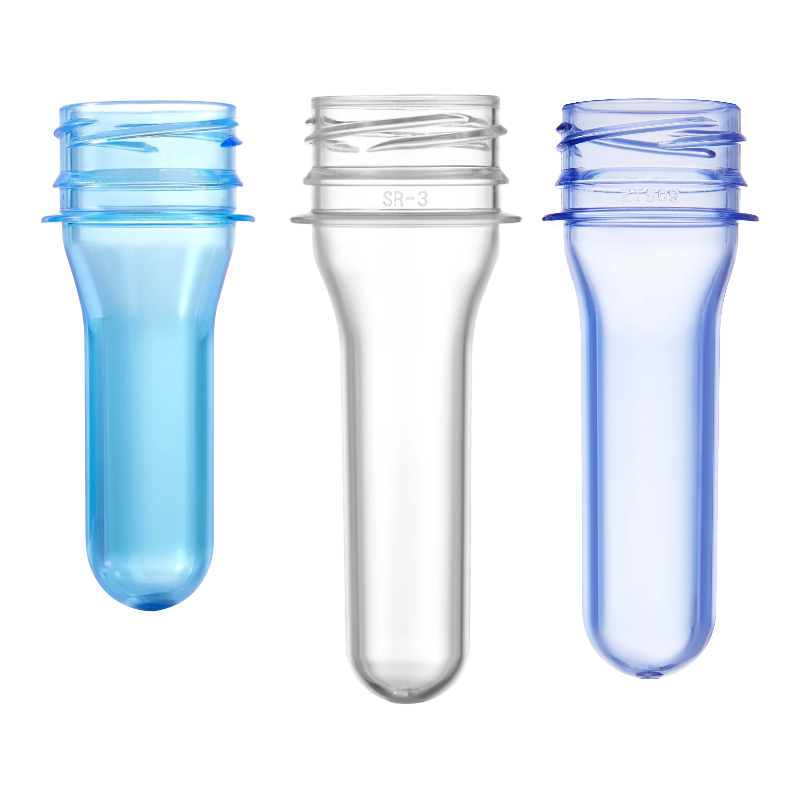
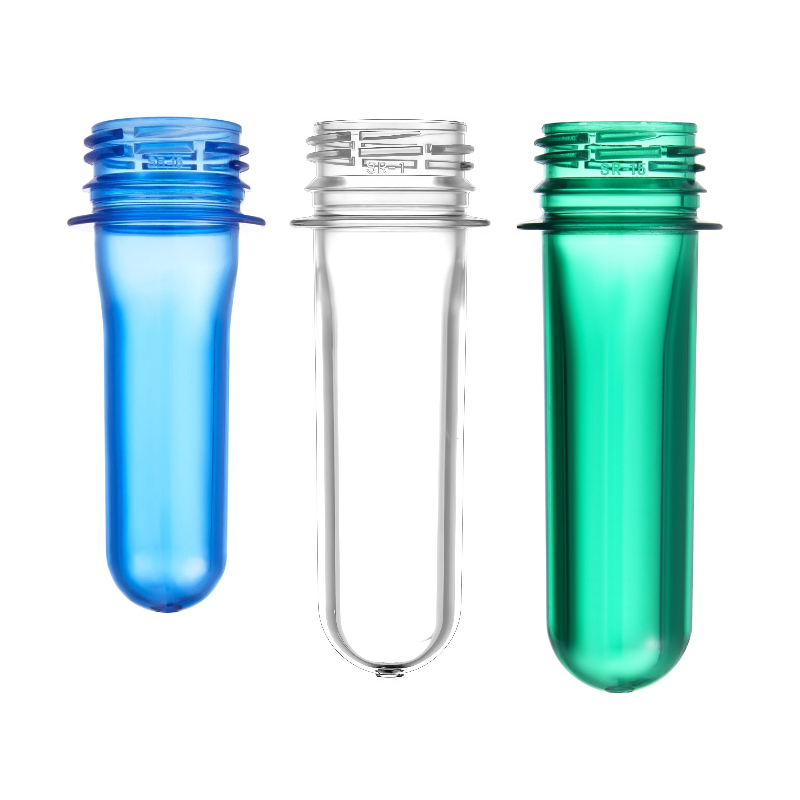
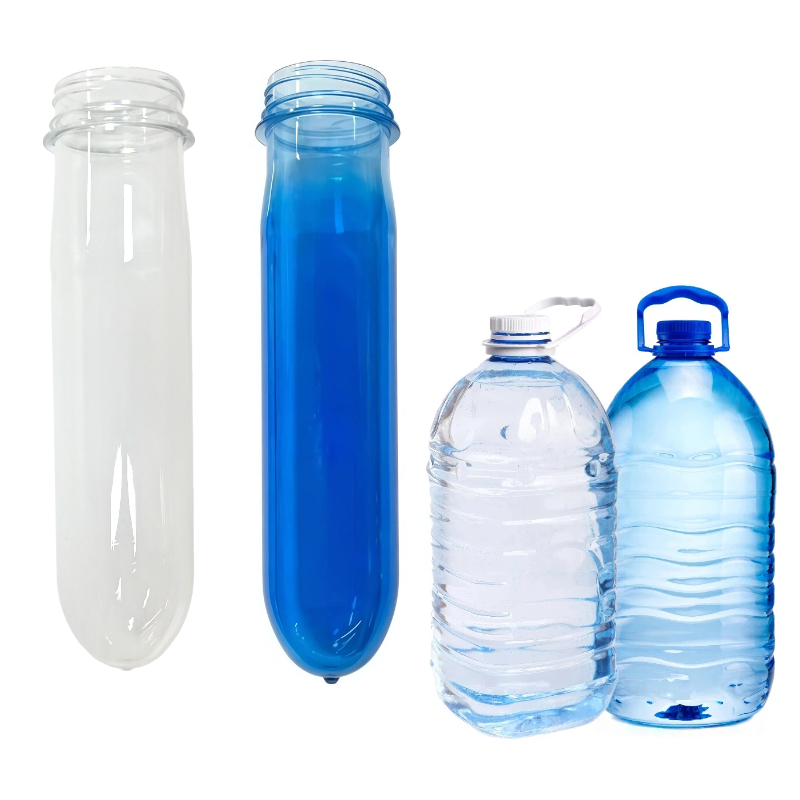
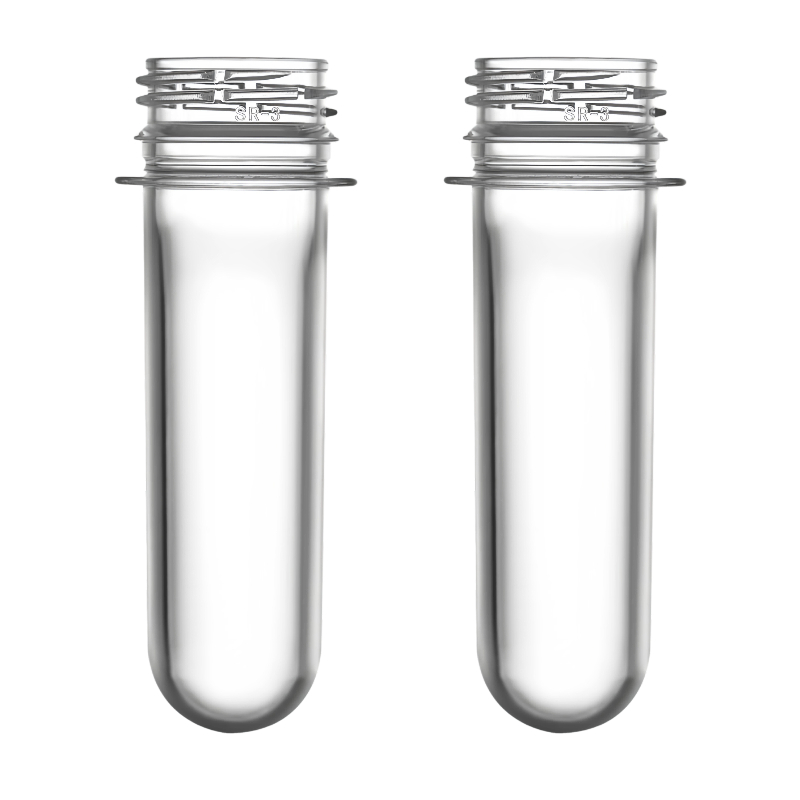
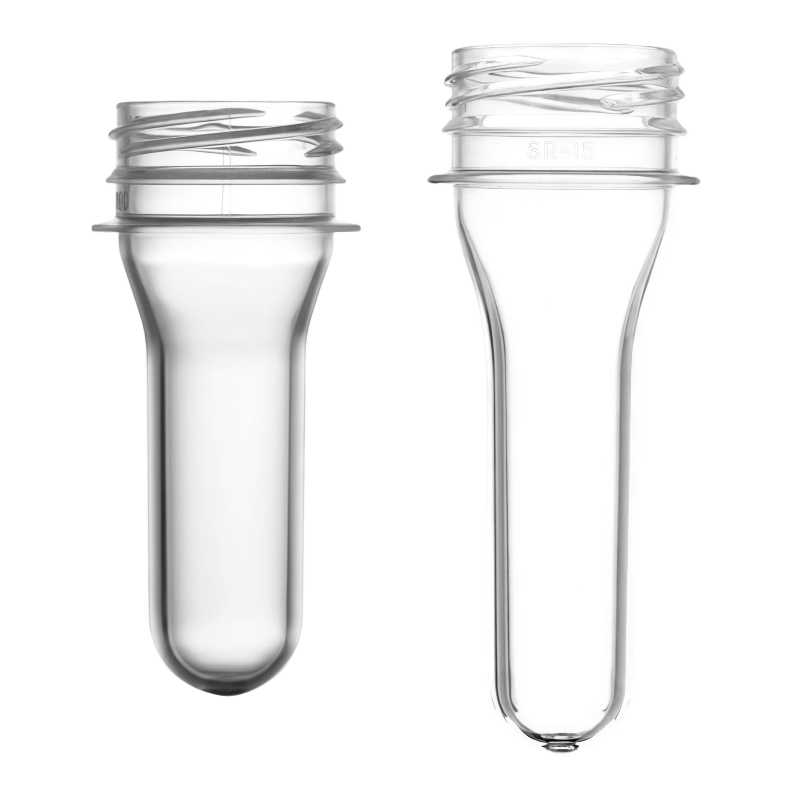
A lightweight PET preform is designe to use less material than a conventional preform whhile still meeting the required performance standards for the final bottle. Instead of simply making the preform thinner, manufacturers optimize wall thickness distrbution, neck structure, and blowing performance to achieve an ideal balance between weight and strength.
Evolution of Lightweight Neck Finishes
Lightweight PET packaging is not only achieved by reducing the weight of the preform body. One of the most signficant innovations over the past two decades has been the optimzation of bottle neck finishes. By redesigning the neck structure and reducing its height while maintaining sealinng compromising bottle functionality.
—PCO1810 to PCO1881—
One of the best-know examples isevlution from the traditional PCO1810 neck finih to the newer PCO1881 standard. The PCO1810 neck finish was widely used for carbonated soft drinks bottles for many years. It provided excellent saeling performance and pressure resistance biut required more PET material due to its taller neck design.
To reduce material usage, the industy introduced the PCO1881 neck finish. By shortening the neck height and optimizing the thread design, PCO 1881 significantly reduced the amount of PET required while maintaining compatinility with modern beverage filling systems. Today, PCO1881 has become the preferred standard for many beverage manufacturers because it supports lightweight packaging while maintaining reliable sealing and production efficiency.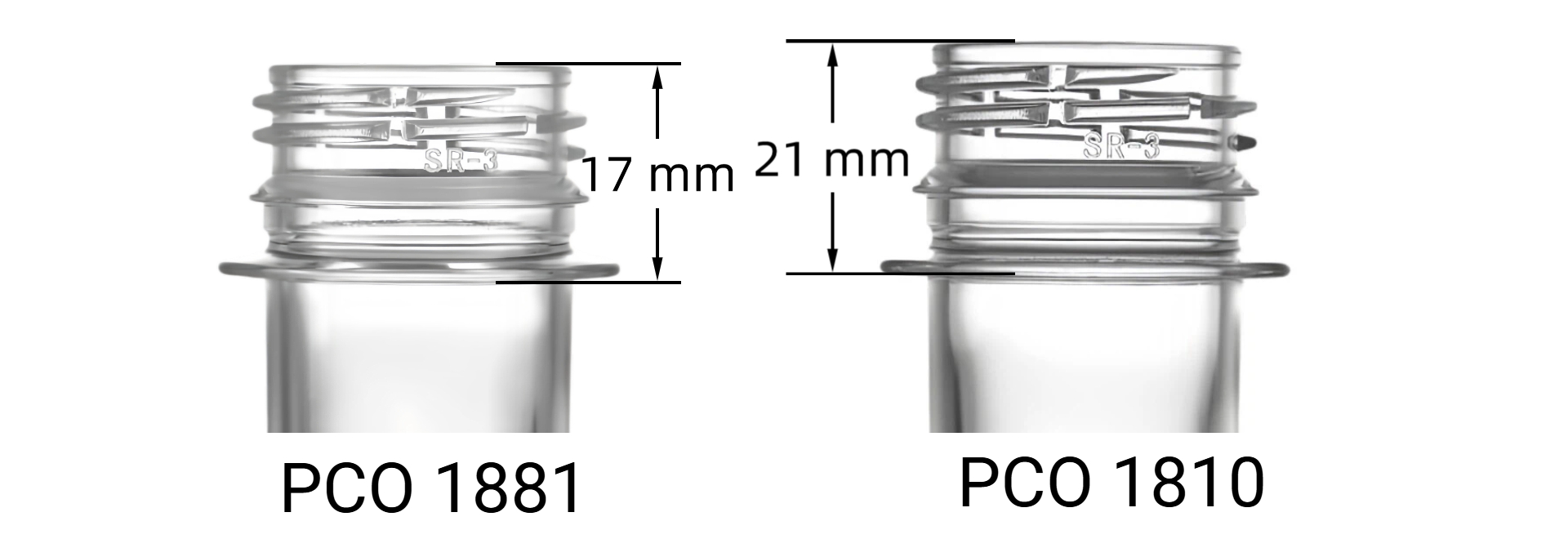
—30mm Standard Neck to 30mm Short Neck—
A similar evolution has taken place in bottled water packaging.
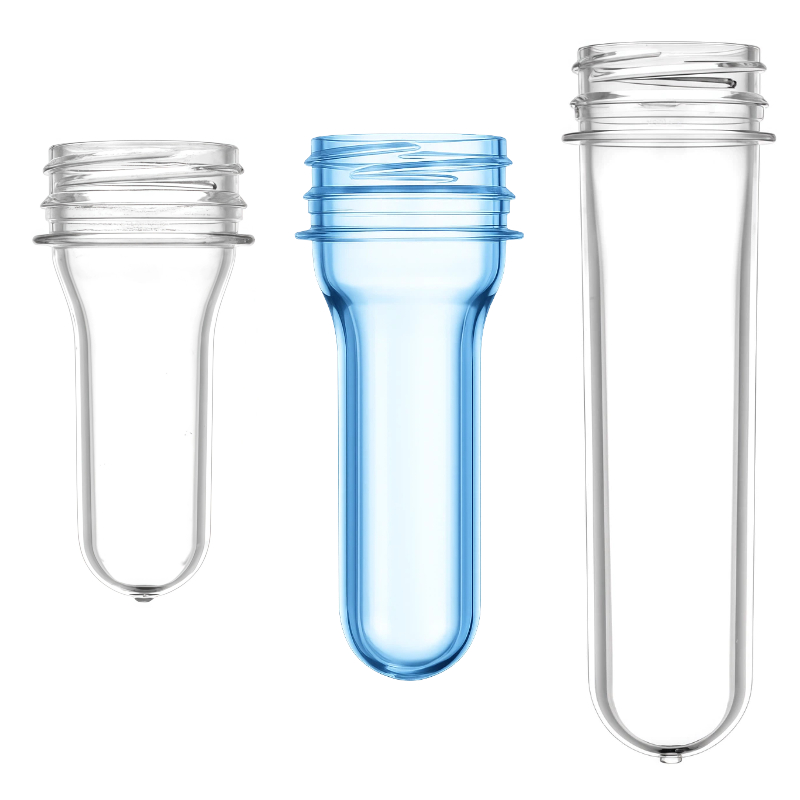
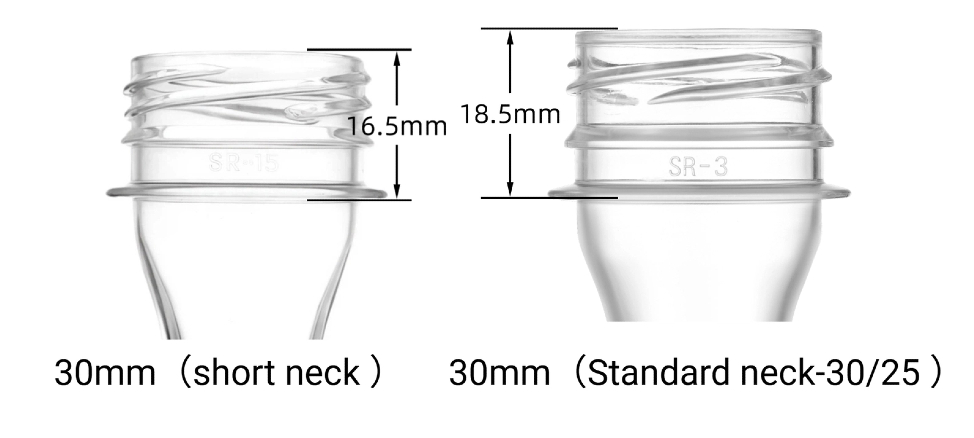
Traditional 30mm standard neck finishes have been widely used for many years because of their stability and compatibility. To further reduce pakaging weight, amnufacturers developed the 30mm short neck design. Compared with standard 30mm neck, the short neck version reduces neck height while maintaning sealing performance and compatibility with existing caps. For high-volume bottled water producction, this opimization can result in considerable material saving over millions of bottles.
Related Reading:
What Is a PET Preform?
Benefits of Lightweight PET Preforms
1.Lower Material Costs
PET resin is one of the largest cost components in bottle production. Reducing preform weight can significantly decrease material consumption across high-volime production. For beverage manufacturers producing millions of bottles each year, even a small reduction in weight can result in substantial cost savings.
2.Reduced Transpottation Costs
Lighter preforms reduce shipping weight, making transportation more economical and improving logistics efficiency.This is especially beneficial for international exportss where freight costs play a significant role.
3.Improved Sustainability
Using less PET material means fewer natural resources are consumed and less plastic waste is generated. Lightweight packaging supports global sustainability gols and helps brands reduce their carbon footprint.
4.Higher Production Efficiency
Well-designedlightweight preforms can improve blowing effciency and reduce overall production costs. Modern filling lines also benefit from lighter packaging by improving handing efficiency.
Is a Lightweight PET Preform Right For Your Product?
Lightweight preforns are ideal for many bottled water, beverage , and food packaging applications. However, the optimal depends on factors such as bottle capacity, filling conditions, transportation requirements, and product characteristics. Working with an experienced manfacuturer can help you determine the right balance between cost, performance, and suitainability.