

 English
38mm PET Preform for Sports Beverage Plastic Bottle Packaging
Content
- 1 Why 38mm PET is widely used for sports beverage plastic bottles
- 2 Selecting a preform for sports beverage plastic bottle production
- 3 Neck finish and cap fit: preventing leaks and capping downtime
- 4 Operational advantages of a widened 38mm neck on the filling line
- 5 Quality and specification checklist when sourcing preforms
- 6 Cost and sustainability levers that keep sports drink packaging competitive
- 7 A straightforward recommendation for buyers: start with data, then validate with samples
Why 38mm PET is widely used for sports beverage plastic bottles
Sports beverages are consumed in motion—during workouts, commuting, outdoor activities, and team sports—so packaging performance is judged in real use, not only on the filling line. A 38mm neck format is popular because it balances three practical needs: fast drinking flow, controlled pouring (reduced splash), and reliable closure options.
From a manufacturing perspective, the neck finish is also the “interface” that connects preform, cap, capping torque, and seal integrity. Choosing a stable, commonly sourced standard helps reduce compatibility risk across cap suppliers and filling equipment—especially for brands producing multiple SKUs or selling into different markets.
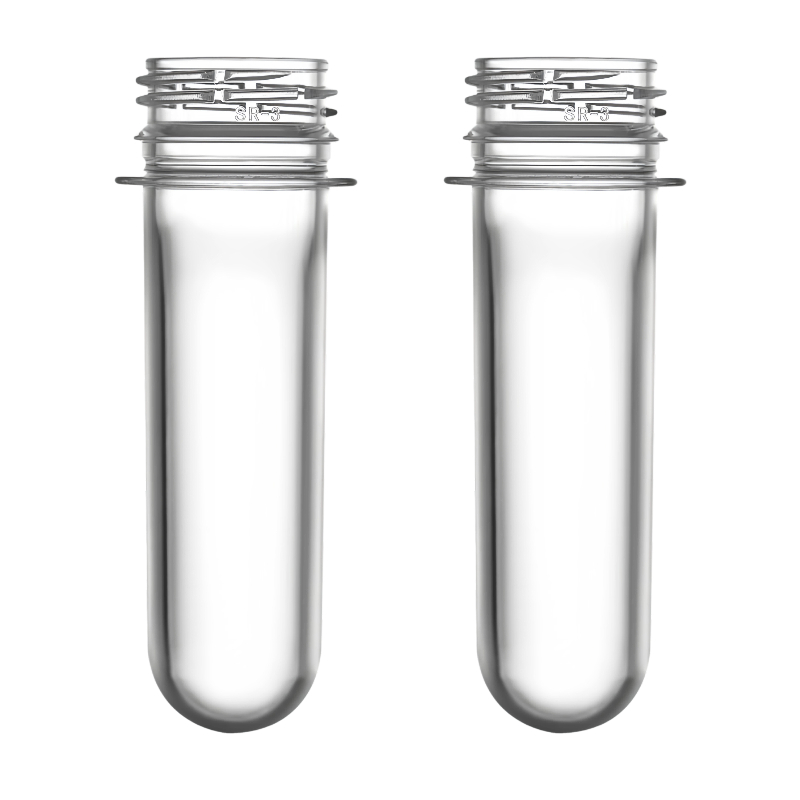
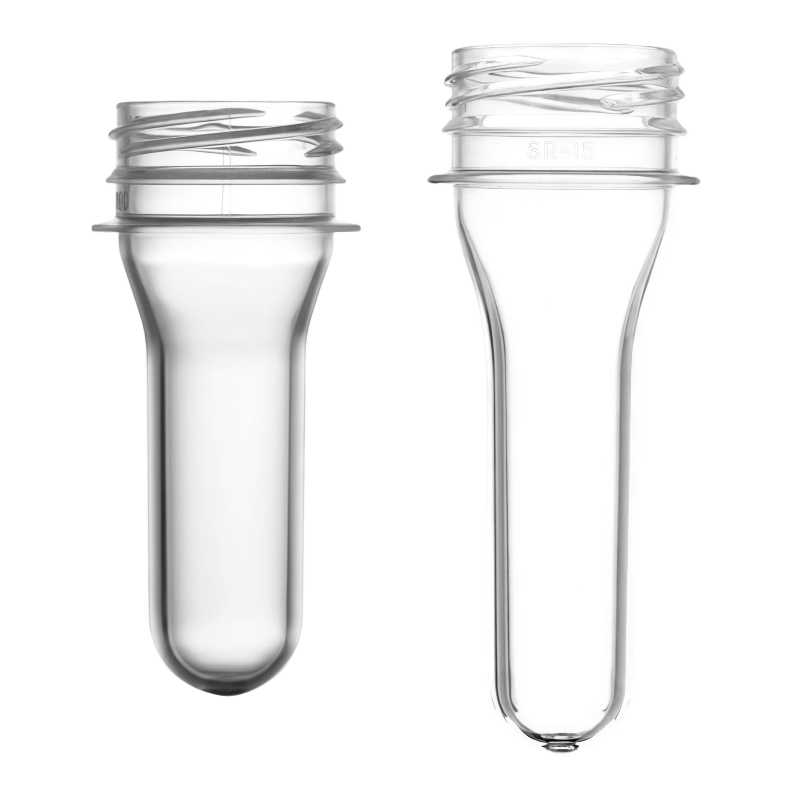
If your target bottle requires an ergonomic wide-mouth format, the 38mm PET preforms category is typically where sports drinks, teas, and juice bottle programs start, because the geometry is proven and supply chains for caps and tooling are mature.
Selecting a preform for sports beverage plastic bottle production
Preform selection is not only about “fit.” It determines how the bottle will distribute material after stretch blow molding, which impacts top-load strength, drop performance, squeeze feel, and resistance to paneling. For 38mm sports beverage applications, a practical starting point is aligning preform weight to your target volume range, then validating by blowing samples in your mold.
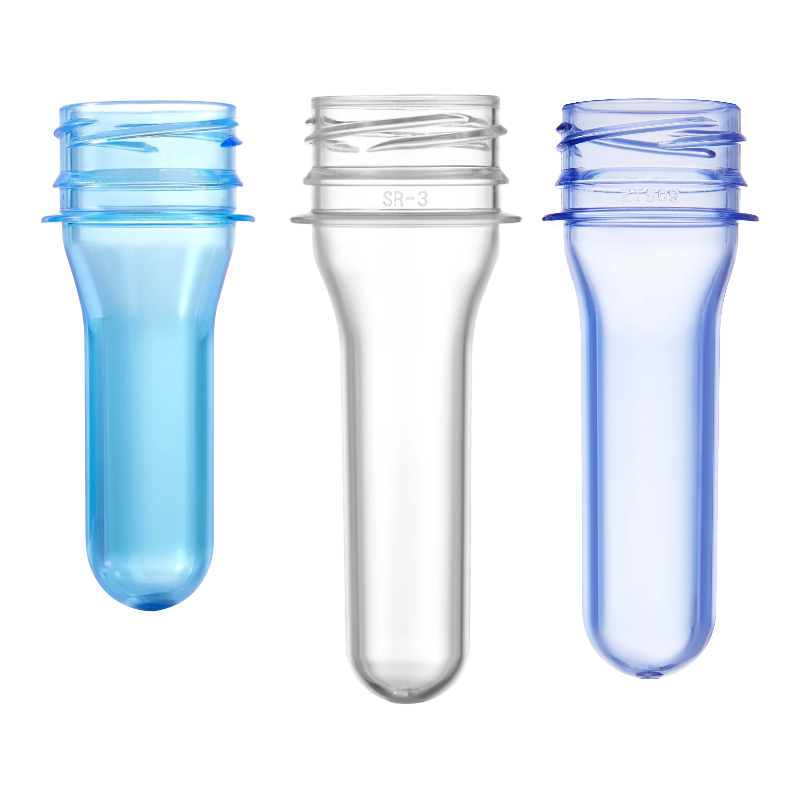
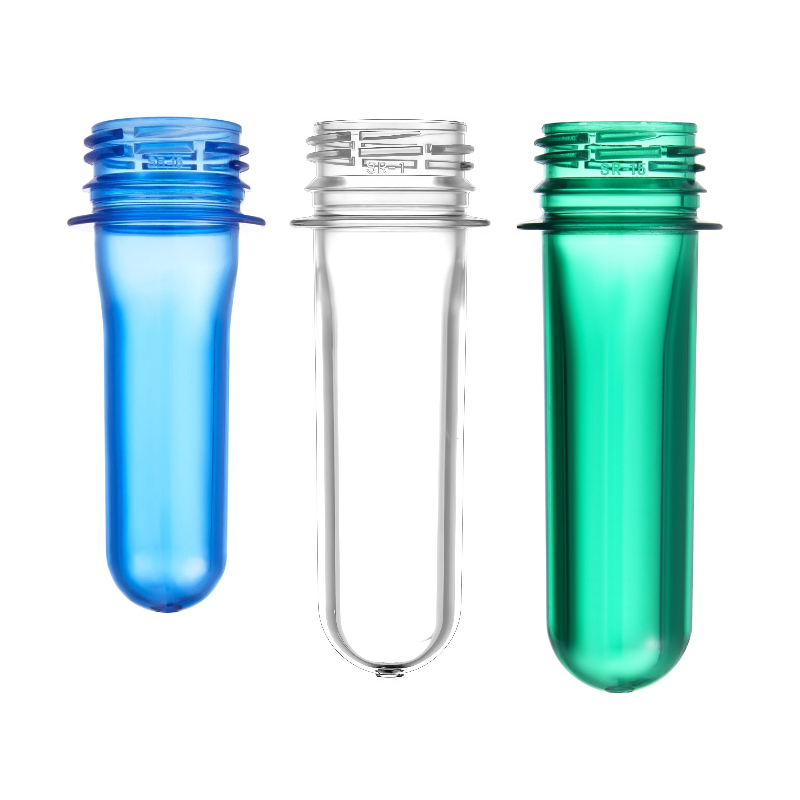
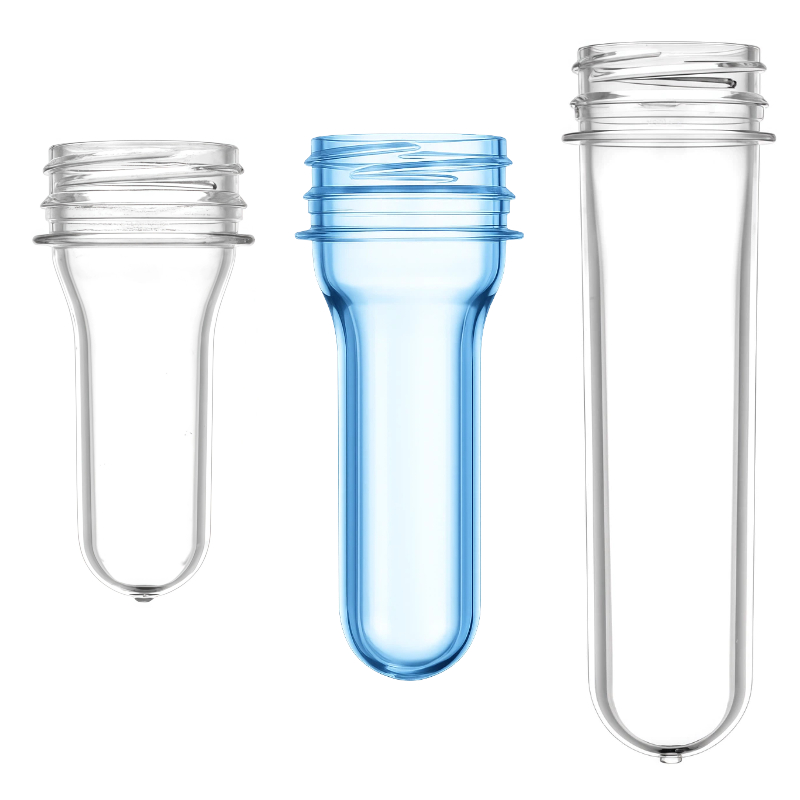
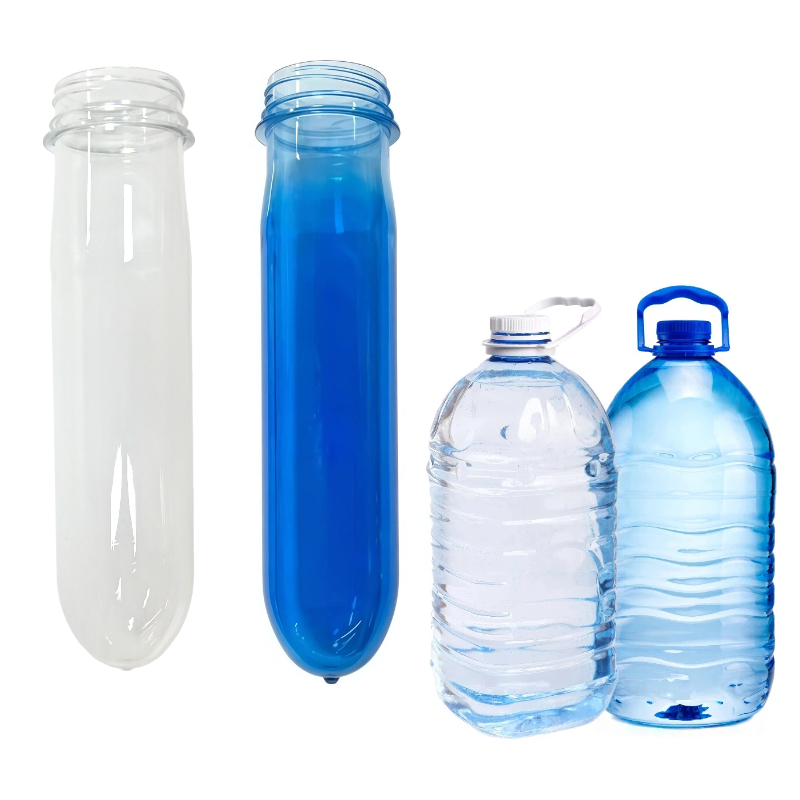
For our 38mm program, the available range is 23g–58g, commonly used for bottles from 250ml up to 2.5L. The right choice depends on bottle geometry (slim vs. wide), label panel design, required stiffness, and whether the beverage is still, carbonated, or hot-filled.
| Neck Type | Preform Weight | Typical Bottle Volume Range | Practical Notes |
|---|---|---|---|
| 38mm | 23g | 250–300ml | Entry option for small formats; validate stiffness if bottle has large label panels. |
| 38mm | 26g | 250–300ml | Added rigidity margin; useful when drop resistance is prioritized. |
| 38mm | 30g | 300–500ml | Common sports drink size range; a frequent baseline for performance vs. cost. |
| 38mm | 32g | 300–550ml | Extra robustness for tall bottles or aggressive handling in distribution. |
| 38mm | 36g | 300–550ml | Stronger wall potential; useful for premium feel or higher top-load requirements. |
| 38mm | 45g | 500–650ml | Good for larger single-serve bottles where rigidity and grip matter. |
| 38mm | 54g | 750–1500ml | Multi-serve bottles; validate base design and handling strength. |
| 38mm | 58g | 750–1500ml | Higher strength margin for larger bodies or tougher logistics conditions. |
A practical method to lock the preform weight quickly
- Confirm your finished bottle volume, target height/diameter, and whether you need a firm or squeezable hand feel.
- Select a reference weight from the table above that matches your volume range.
- Blow 20–50 samples (same mold, same settings) and check: top-load, drop test, paneling, and cap torque/leak performance.
- If you see paneling or weak grip zones, increase weight or adjust bottle geometry (ribs, label panel, base design) before finalizing.
If you are developing a 38mm sports drink bottle and want the weight options consolidated with product details (packaging and color options), the specific SKU page for 38mm preform for sports beverage or juice plastic bottle can be used as the technical starting reference for selection and sampling.
Neck finish and cap fit: preventing leaks and capping downtime
For sports beverage plastic bottles, leakage is rarely caused by “one big issue.” It is usually the accumulation of small mismatches—thread accuracy, cap liner geometry, sealing ring contact, torque window, and bottle neck ovality. A consistent 38mm neck finish helps reduce those variables, but it still requires disciplined fit validation.
What to verify with your closure supplier (or with a matched cap/preform set)
- Cap type and user experience: screw cap, flip-top, or sport closure (one-handed operation vs. maximum seal robustness).
- Torque window: set a target application torque and confirm removal torque after conditioning (heat/cold cycling if required).
- Capping line performance: evaluate jam rate, cross-threading, and cap alignment at your normal line speed.
- Seal integrity: conduct inverted storage and drop tests with filled bottles to confirm real-world leak resistance.
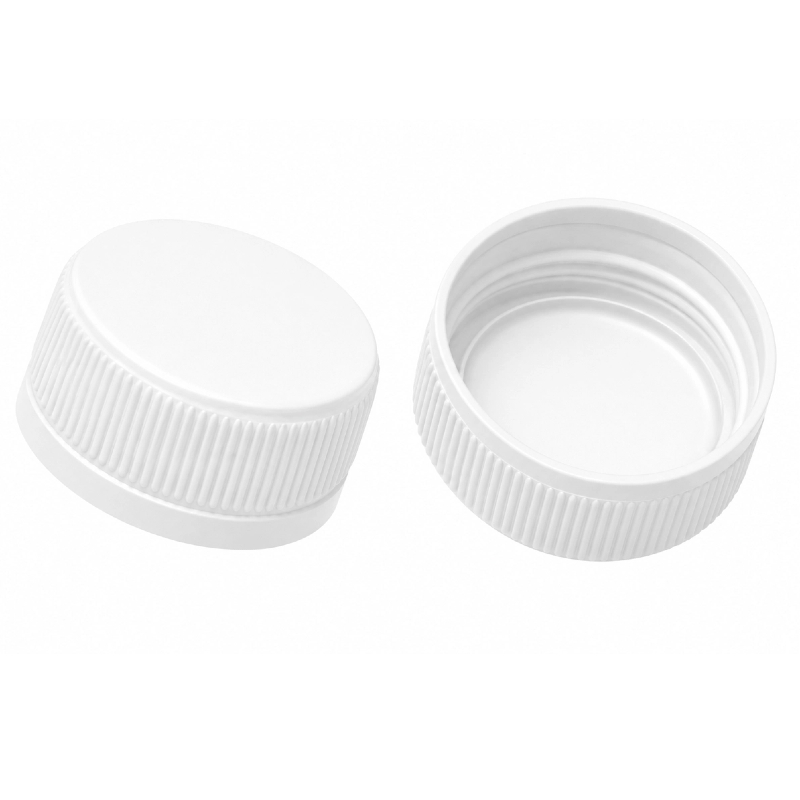
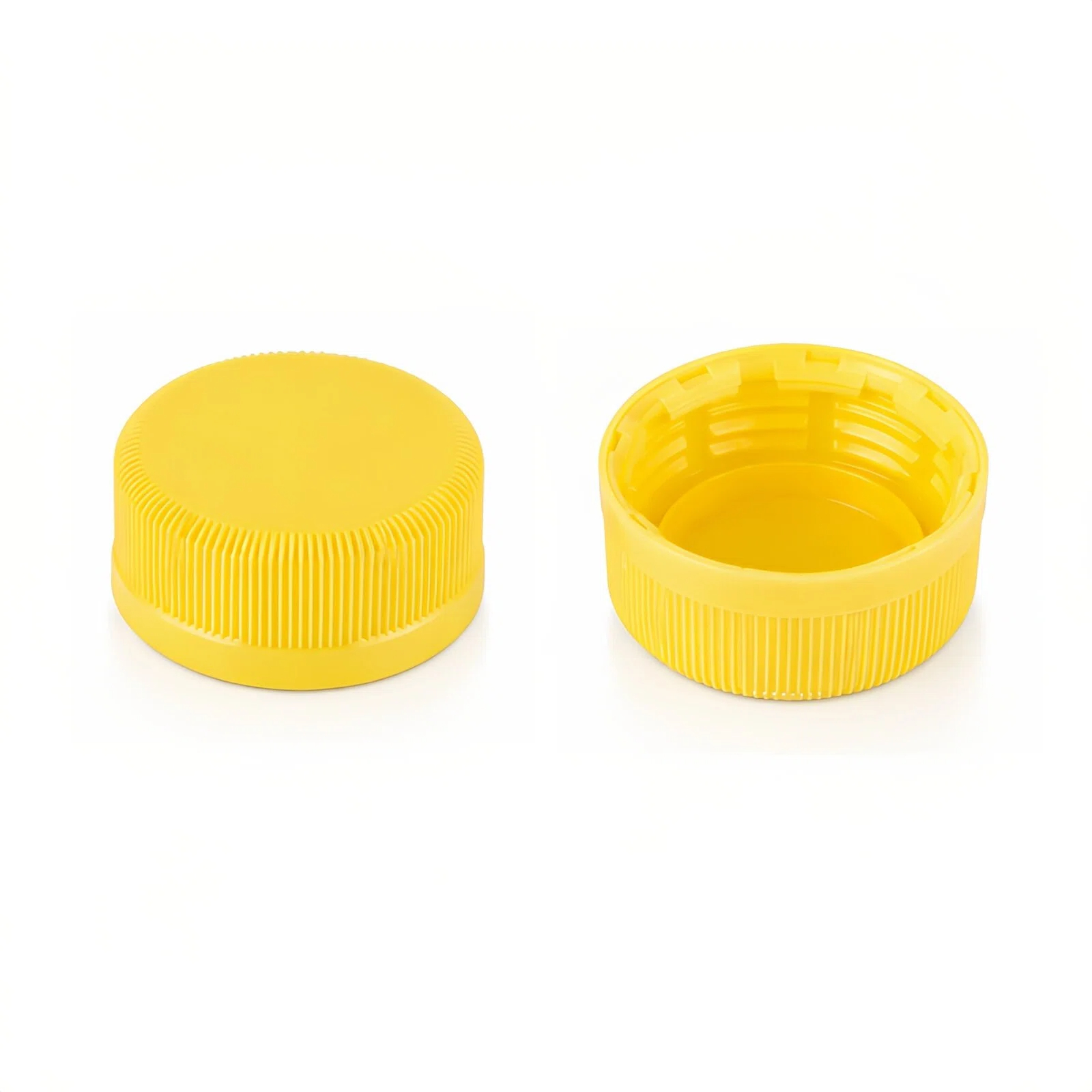
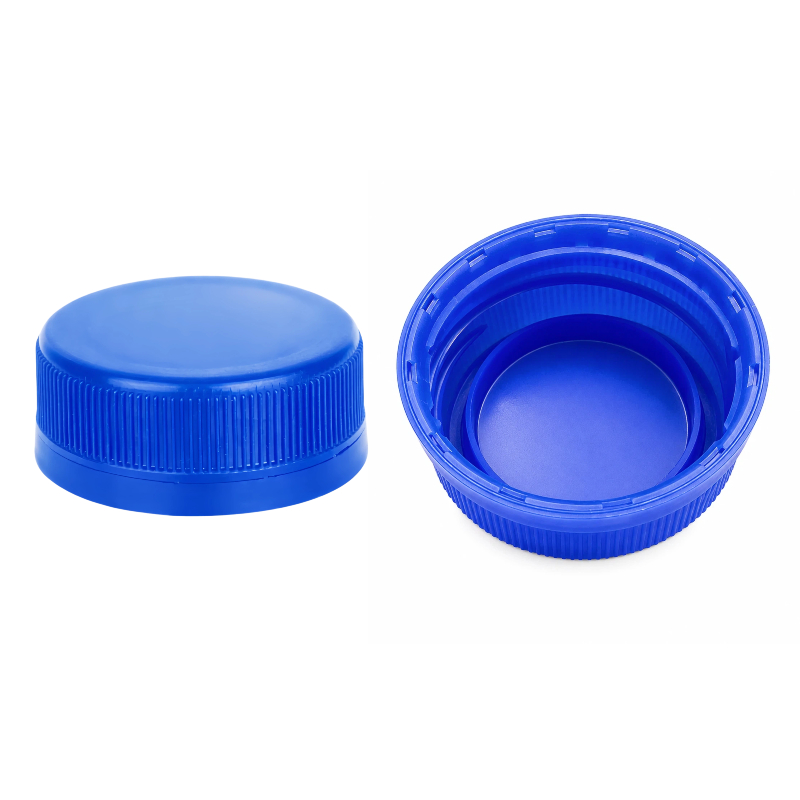
If you prefer to standardize sourcing and reduce interface risks, pairing preforms with a purpose-designed closure is often efficient. For example, the 38mm cap for juice drink or sports drink is engineered for 38mm beverage bottle programs and can simplify early-stage compatibility validation.
Operational advantages of a widened 38mm neck on the filling line
On high-throughput beverage lines, small improvements in stability and sanitation can translate into meaningful annual savings. For sports drinks and juice-based formulations—where stickiness, sugar content, or particulates can increase cleanup demands—the neck format matters more than many teams expect.
A wider 38mm neck can make filling and cleaning easier, particularly when you want to reduce residue around the bottle mouth and improve housekeeping efficiency. This is one of the reasons 38mm formats are frequently selected for sports beverage plastic bottle projects that prioritize user drinking comfort and line practicality.
Where customers typically see measurable benefits
- Reduced rework from mouth contamination: easier access for rinsing/air blow steps and better tolerance to minor splashes.
- Faster changeovers: standardized neck + widely available caps can reduce trial time when switching SKUs.
- Improved consumer experience: faster drinking flow and less “suction feel,” which is relevant for functional beverages consumed quickly.
To convert these advantages into stable production, we recommend running a short engineering trial (typically one shift) to confirm your line’s torque settings, rinse/blow parameters, and cap feeding stability before freezing the packaging spec.
Quality and specification checklist when sourcing preforms
A capable supplier should be able to discuss preform quality in measurable terms, not generic descriptions. The goal is to ensure dimensional stability for capping, consistent weight for blow performance, and clean aesthetics suitable for consumer packaging.
Minimum specification items to include on your purchase order
- Neck finish standard and critical dimensions (ID/OD, thread profile) with agreed inspection gauges.
- Preform weight target and tolerance; confirm sampling plan per lot.
- Material requirement: for food and beverage, many customers prefer food-grade, 100% virgin PET for clarity and stable blowing.
- Color and appearance: transparent or custom color, plus allowable limits for black specks, haze, flash, and gate strings.
- Packaging method (e.g., bag/carton), palletization, and cleanliness requirements for storage and transport.
Incoming inspection steps that prevent downstream issues
- Visual screening under strong light (haze, contamination, flash, short shots).
- Dimensional checks using calibrated go/no-go gauges for the neck finish and sealing surfaces.
- Weight verification across a statistically meaningful sample size (track trend, not only average).
- Trial blowing and cap fit test to confirm leak resistance and torque repeatability.
If your engineering team wants a broader QC framework (from defects to process checkpoints), a structured reference like PET preform specs, production & QC guidance can help align procurement, molding, and QA teams on the same acceptance language.
Cost and sustainability levers that keep sports drink packaging competitive
For most sports beverage brands, packaging cost is driven by resin usage, scrap rate, and line efficiency. Sustainability outcomes are often driven by the same levers—especially when “lightweighting” reduces material without sacrificing performance.
Practical actions that usually deliver results
- Optimize weight only after blow validation: choose the lightest preform that still passes top-load, drop, and leak tests.
- Avoid unnecessary color when possible: clear PET generally supports broader recycling streams than heavily tinted bottles.
- Design-for-recycling: select labels/adhesives that are compatible with your target recycling infrastructure and avoid mixed materials where feasible.
- Reduce rejects: consistent neck dimensions and stable weight reduce scrap from capping leaks and off-spec bottles.
If your sustainability plan includes recycled content, confirm resin sourcing, regulatory compliance needs, and performance expectations early in development. Even when using virgin PET for clarity and stability, disciplined lightweighting and scrap reduction can materially improve both cost and environmental impact.
A straightforward recommendation for buyers: start with data, then validate with samples
For most projects, the fastest route to a stable packaging spec is to begin with an established 38mm preform weight aligned to your bottle volume, then validate by blowing samples and running cap fit tests under real filling conditions. This approach reduces redesign cycles and helps procurement compare suppliers on measurable quality.
If you want a supplier-ready baseline, a common starting range for sports beverage plastic bottles is:
- 300–500ml bottles: often begin validation around 30g (adjust based on bottle shape and stiffness targets).
- 500–650ml bottles: frequently start near 45g to maintain rigidity and handling strength.
- 750–1500ml bottles: typically validate within 54g–58g, depending on body geometry and logistics conditions.
When the technical conclusion supports a 38mm format—ergonomics, cap ecosystem, and line practicality—then selecting a stable preform supplier becomes the differentiator. Our 38mm option is supplied in multiple weights (23g–58g), with bag/carton packaging and transparent or custom colors, using 100% virgin, food-grade material to support consistent blow results. For product-specific parameters and sampling alignment, refer to the 38mm sports beverage preform specification page.