

 English
PET Preform Price per kg: Cost Drivers, Calculation & Buying Tips
Content
- 1 What “PET preform price per kg” typically includes (and what it does not)
- 2 How to convert PET preform price per kg into per-piece and per-1,000 cost
- 3 Why the same “per kg” price can still be the wrong comparison
- 4 Key cost drivers behind PET preform price per kg
- 5 RFQ checklist: what you should send to get an accurate kg quote
- 6 How to evaluate suppliers beyond the lowest PET preform price per kg
- 7 Worked example: turning a kg quote into a bottling budget
- 8 Conclusion: a practical way to buy PET preforms at the right kg price
When buyers search for PET preform price per kg, they usually want two things: a reliable way to compare supplier quotes and a practical method to convert a kilogram-based price into a per-piece packaging cost. This guide explains how professional preform manufacturers structure kg pricing, what drives the number up or down, and how to request quotes that match your bottle performance requirements (water, juice, carbonated, wide-mouth, etc.).
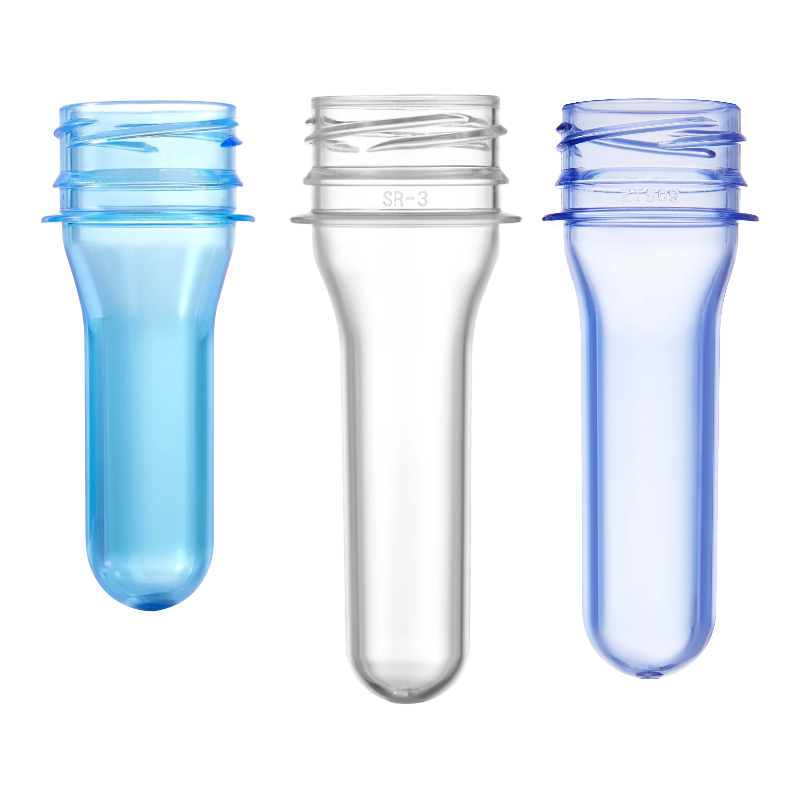
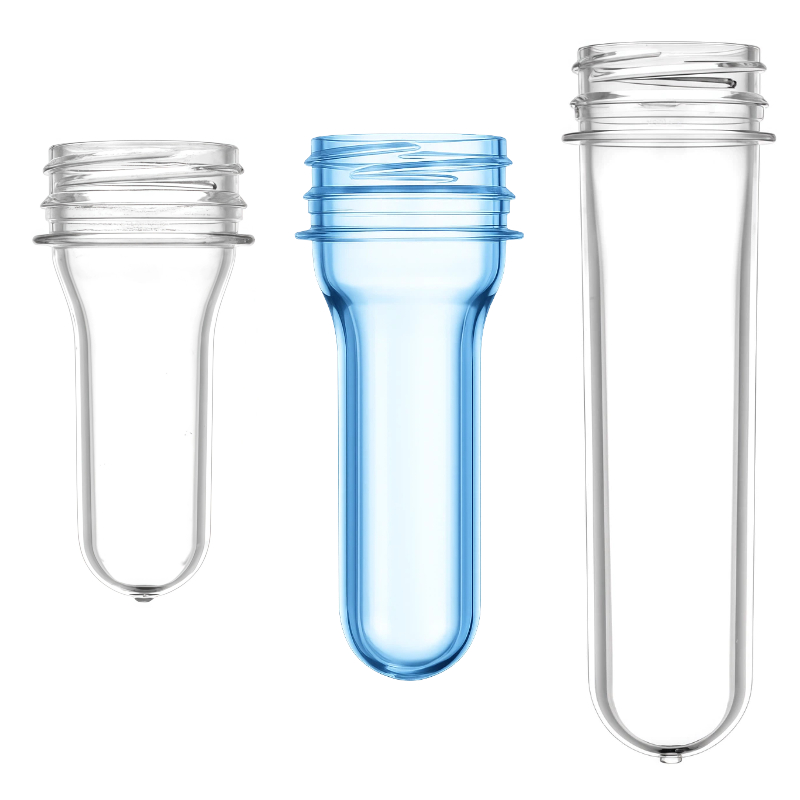
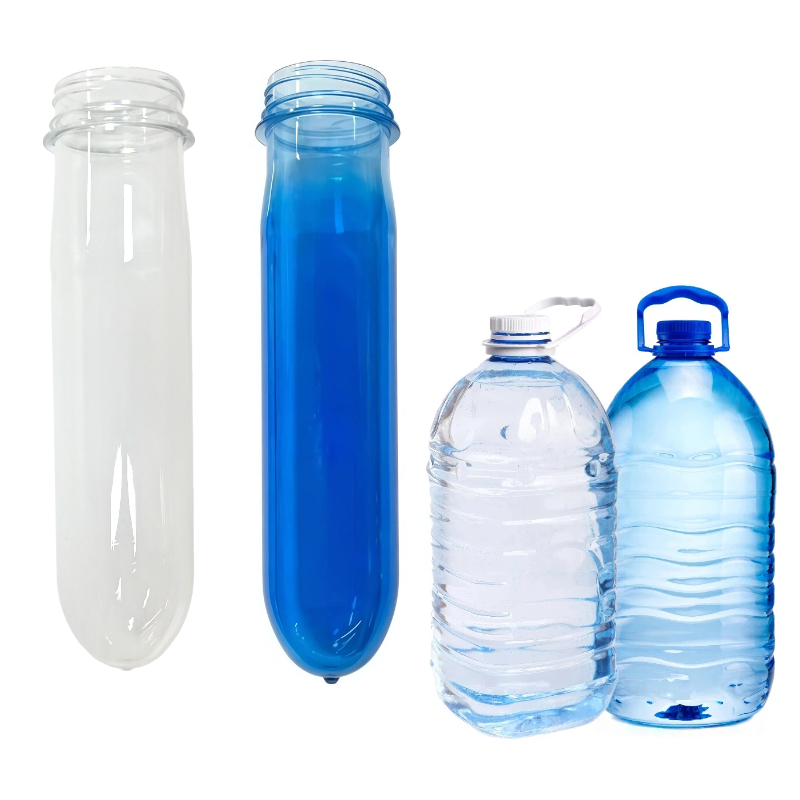
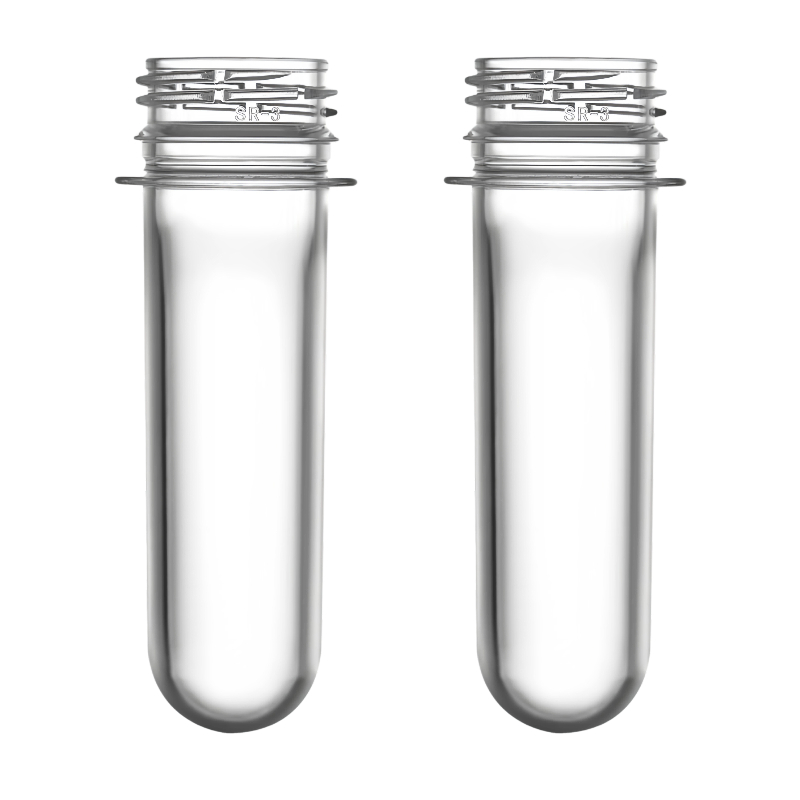
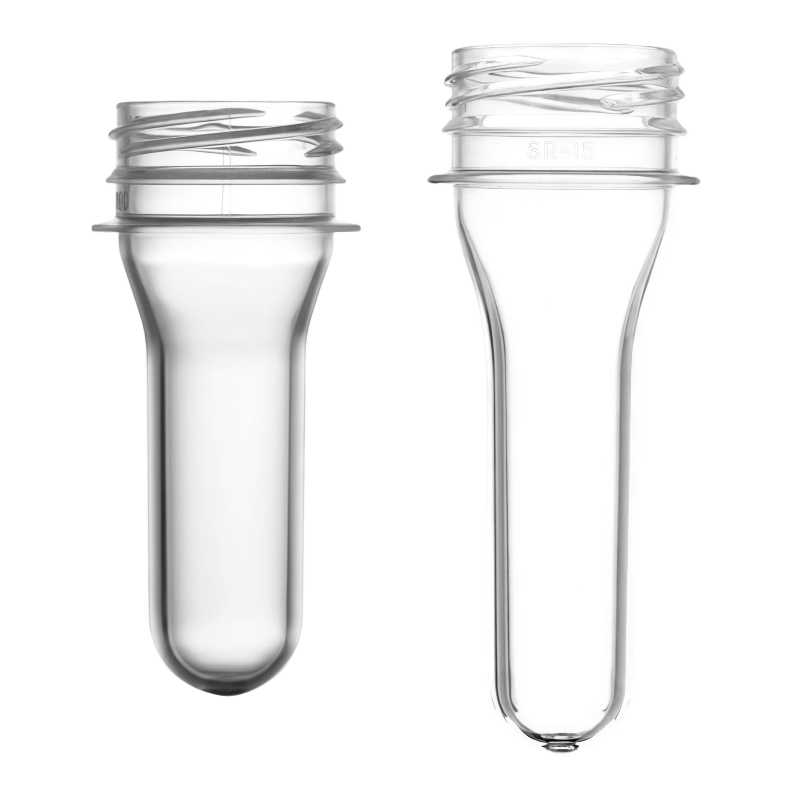
For reference, the examples below use common market practices plus real-world preform weight ranges such as 28mm (PCO), 30mm (30/25), and 38mm wide-mouth. Where it helps, you will also see practical selection notes and specification examples from our PET preforms product range.
What “PET preform price per kg” typically includes (and what it does not)
A kilogram-based quote is common because preforms are sold by weight and the dominant raw material is PET resin. However, two quotes that look similar “per kg” may not be comparable unless the scope is aligned.
Usually included in the kg price
- Preform manufacturing cost (resin conversion, molding, basic QC)
- Standard packaging method (commonly bag or carton) depending on supplier practice
- Standard product appearance (often transparent) and standard neck finish
Often excluded (confirm explicitly)
- Freight, insurance, duties/taxes, and destination charges (unless your quote is delivered/landed)
- Special color masterbatch (custom colors), UV blockers, barrier additives, or high-performance resin grades
- Third-party lab tests, special documentation, or dedicated packing requirements (e.g., pallet pattern, inner liners, humidity control)
Professional tip: before comparing PET preform price per kg, normalize quotes to the same Incoterm (EXW/FOB/CIF/DDP), the same resin basis (virgin vs rPET blend), and the same specification (neck finish, weight, and color).
How to convert PET preform price per kg into per-piece and per-1,000 cost
Because every preform has a defined weight, kg pricing converts cleanly into unit economics. The conversion is simple and is one reason kg-based quoting is widely used.
The core formulas
- Pieces per kg = 1000 ÷ preform weight (g)
- Cost per piece = (price per kg) ÷ (pieces per kg)
- Cost per 1,000 pieces = (price per kg) × preform weight (g)
That third line is especially practical: if a 30mm water preform is 18g, then 1,000 pieces weigh 18 kg. So a kg quote converts directly to a “per 1,000” price by multiplying by 18.
| Example application / neck type | Weight (g) | Approx. pieces per kg | Kg per 1,000 pcs |
|---|---|---|---|
| 28mm PCO (carbonated / sparkling) | 13.3 | 75.2 | 13.3 |
| 30mm (30/25) water preform | 18 | 55.6 | 18 |
| 30mm (30/25) 1.0–1.5L class | 30 | 33.3 | 30 |
| 38mm wide-mouth (juice/sports drink) | 45 | 22.2 | 45 |
| 38mm wide-mouth (750–1500ml class) | 58 | 17.2 | 58 |
If your procurement team is budgeting by “preform cost per bottle,” this conversion is the fastest way to turn PET preform price per kg into a packaging line item you can manage.
Why the same “per kg” price can still be the wrong comparison
Two preforms can share the same material and still behave very differently on the blow molding line. If a “cheaper” preform causes higher scrap, unstable stretch, or thread/cap issues, the true cost is higher than the quoted PET preform price per kg.
Specification differences that materially change cost
- Neck finish standard (e.g., PCO 1881 vs PCO 1810; 30/25; 38mm wide-mouth) affects mold design, thread geometry, and cap compatibility.
- Preform weight changes both your resin consumption and the required mechanical performance (especially for carbonated and hot-fill applications).
- Additives and appearance (custom colors, UV protection, barrier performance) introduce additional material and process control cost.
In practice, buyers should compare price per kg only after locking the technical specification. If you are still deciding a neck type, start with your product category: carbonated beverages often use 28mm PCO designs (pressure management), mainstream bottled water often uses 30mm (30/25), and juices/sports drinks frequently choose a 38mm wide-mouth for easier filling and consumer experience.
For concrete examples, see the 28mm PCO 1881 PET preform (carbonated-oriented neck design), the 30mm (30/25) PET preform range (250ml–2.5L class), and the 38mm wide-mouth PET preform range (commonly used for juices, teas, and sports drinks).
Key cost drivers behind PET preform price per kg
From a manufacturer’s viewpoint, kg price is mainly a combination of material cost and conversion cost. Material typically dominates, but conversion can vary significantly depending on efficiency, quality targets, and customization.
A practical breakdown (illustrative)
- Material (often ~60–80%): PET resin grade (virgin vs recycled content), intrinsic viscosity targets, and additive packages.
- Conversion (often ~20–40%): electricity, machine time, mold/hot runner maintenance, labor, and quality control.
- Scrap rate and stability: moisture control, melt quality, and process repeatability affect yield and therefore price.
What makes “custom” more expensive
- Custom color (masterbatch matching, color stability, and additional QC checks)
- Tighter tolerances (weight consistency, thread accuracy, gate quality) for high-speed filling lines
- Application-driven performance targets (carbonated pressure resistance, drop strength, clarity, and neck seal reliability)
If you want stable pricing, treat PET preform price per kg as an indexed figure: lock the spec, then agree on how resin moves (e.g., periodic adjustment rules) so both sides can plan inventory and production rationally.
RFQ checklist: what you should send to get an accurate kg quote
Most pricing misunderstandings come from incomplete RFQs. If your supplier must “guess” the bottle, the neck, or the performance target, you will either receive a broad range or a quote that later changes.
Minimum information to specify
- Neck finish (example: 28mm PCO 1881 / PCO 1810; 30/25; 38mm) and cap compatibility requirements
- Target preform weight (g) and the intended bottle volume + product (still water, juice, carbonated, etc.)
- Color (transparent vs custom), and whether you need UV protection or other additives
- Order volume (trial vs monthly demand), packaging format, and palletization preferences
- Delivery terms (EXW/FOB/CIF/DDP), destination port/city, and required lead time
If you can share one filled bottle sample (or a drawing), your supplier can confirm whether the preform weight range is realistic for your bottle geometry. This avoids “under-weighting” that later causes paneling, top-load failures, or unstable blowing.
How to evaluate suppliers beyond the lowest PET preform price per kg
A preform is a semi-finished part: the real test is your blowing and filling performance. For professional buyers, supplier selection should balance kg price with consistency, technical support, and delivery reliability.
Quality and consistency questions worth asking
- What are your standard QC checkpoints (weight control, neck gauge checks, visual inspection, contamination control)?
- Can you provide production consistency evidence (process records, capability metrics, or repeat sampling results)?
- How do you prevent moisture-related defects (drying control, material handling discipline) that can weaken bottles?
Manufacturing capability matters most when you scale
For recurring programs, factory scale, automation, and technical staffing reduce variability and support stable lead times. A supplier with robust equipment and experienced operators is typically better positioned to hold tight weight control and thread accuracy across large batches—two factors that directly affect your scrap rate and overall packaging cost.
If you are building a supplier list, it is reasonable to request: sample approval runs, packing photos (bag/carton), and a clear change-control policy for resin lots, masterbatch, or tooling maintenance. These factors often matter more than a small difference in kg price.
Worked example: turning a kg quote into a bottling budget
Assume you are producing a 500–550ml bottled water SKU and are considering a 30mm (30/25) preform in the 18g class. Your supplier provides a quote as PET preform price per kg (preforms only, ex-works).
Step-by-step calculation (illustrative numbers)
- Weight = 18g per preform → pieces per kg = 1000 ÷ 18 = 55.6 pcs/kg
- If the quote is X per kg, then cost per piece = X ÷ 55.6
- Cost per 1,000 pcs = X × 18 (because 1,000 pcs weigh 18 kg)
Now add “real world” commercial items: freight, destination handling, and an internal scrap allowance. Even a 1–2% reduction in scrap or downtime can outweigh a small difference in kg price—especially on high-speed water and beverage lines.
If you are deciding between weights (e.g., 18g vs 20g) for the same bottle, do not assume lighter is always cheaper overall. A heavier preform can improve top-load strength or panel resistance and reduce rejects, which lowers your total cost per filled bottle.
Conclusion: a practical way to buy PET preforms at the right kg price
The most reliable approach is to treat PET preform price per kg as one part of a technical-and-commercial package. Lock the specification first (neck finish, weight, color/additives, packaging), then compare quotes on equal terms (Incoterm, lead time, and quality expectations). Finally, validate performance with samples before scaling.
If you would like a quote that matches your bottle and filling conditions, share your target bottle volume, product type (still / juice / carbonated), preferred neck finish, and weight range. You can also review typical weight options and packaging formats across our PET preforms lineup to align your RFQ with an existing, production-proven specification.