

 English
Myth Check: Are Plastic Bottle Preforms Environmentally Harmful?
Content
Plastic bottle preforms are not uniquely “environmentally harmful” compared with finished PET bottles—they’re the same material in an intermediate form. The real environmental impact comes from (1) producing virgin PET resin, (2) the energy used to mold and transport packaging, and (3) what happens after use—especially low collection/recycling and litter.
What a plastic bottle preform is and what it isn’t
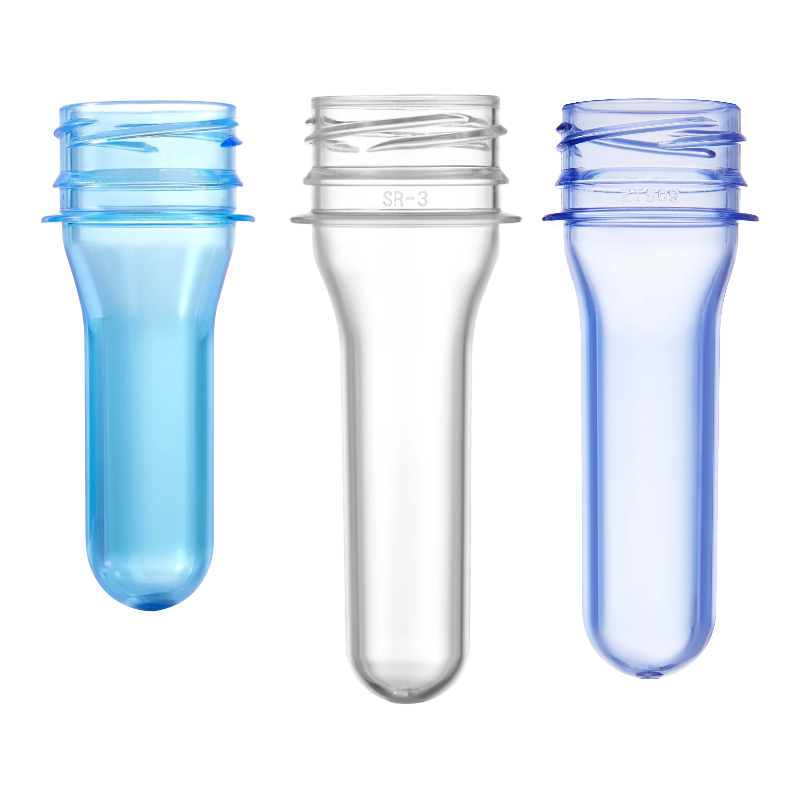
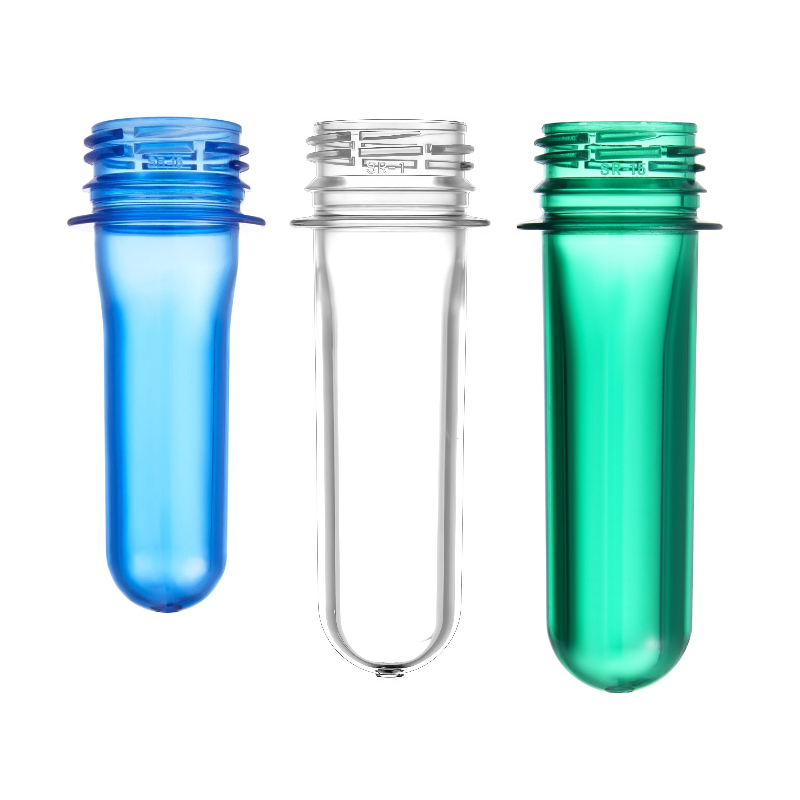
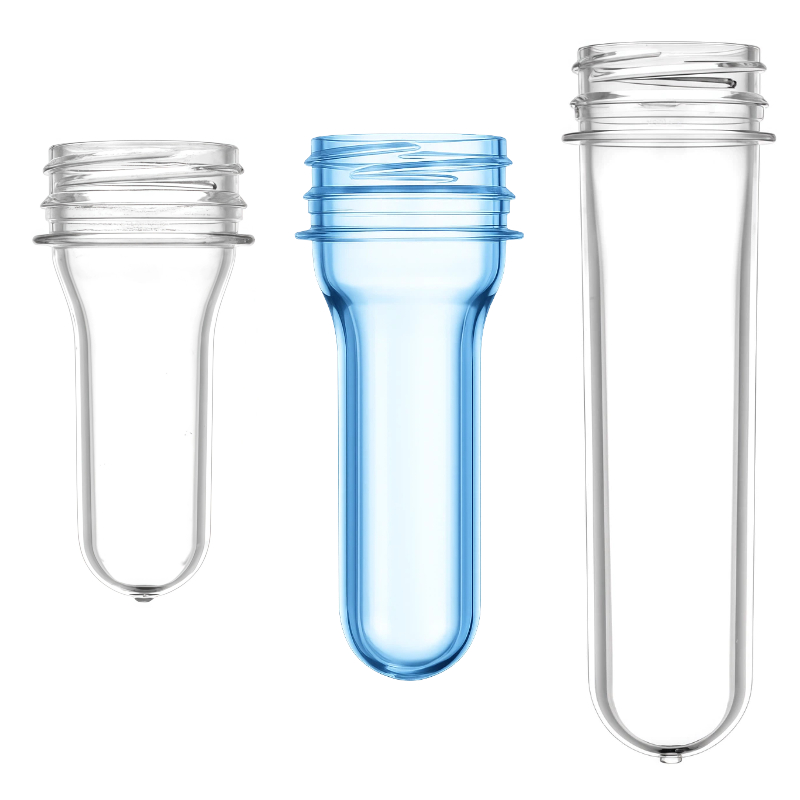
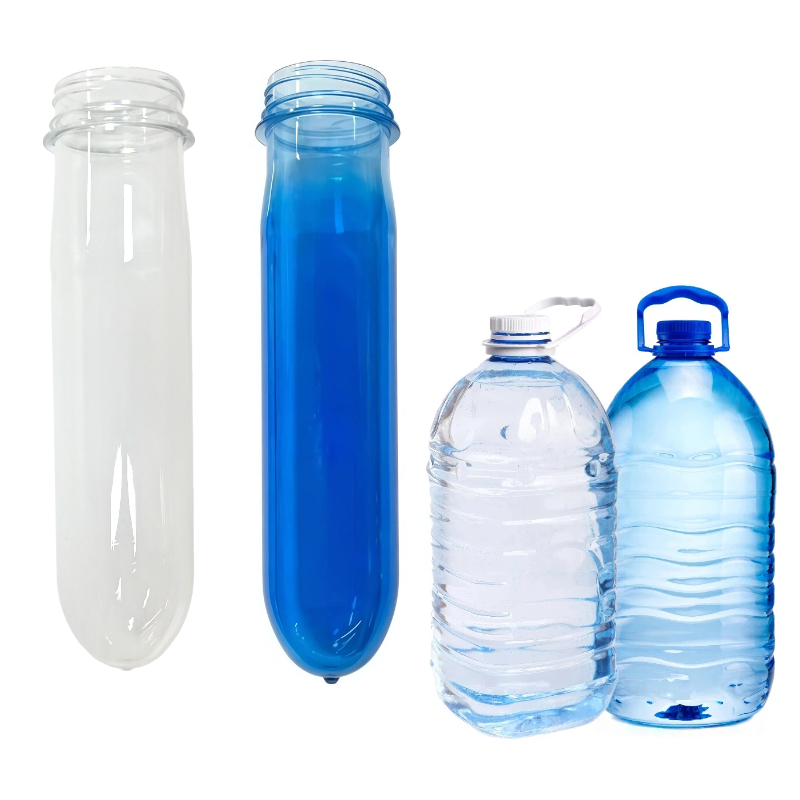
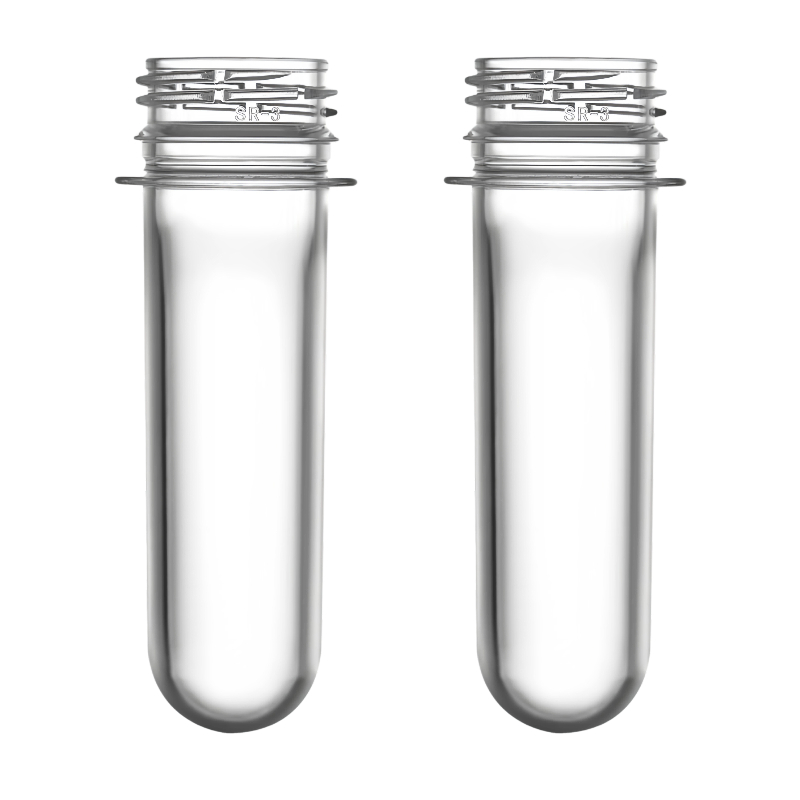
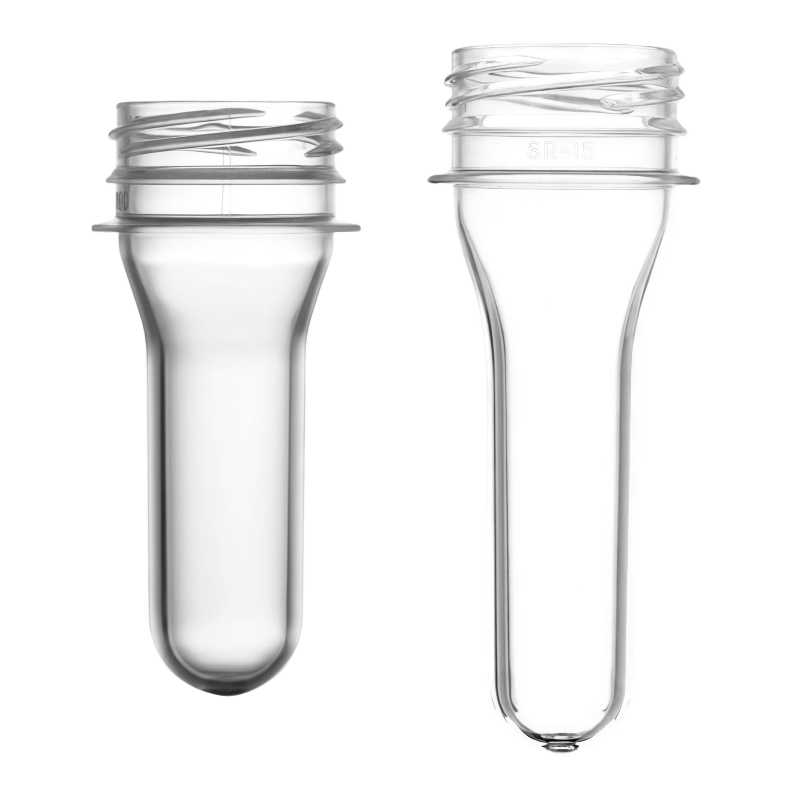
A bottle preform is an injection-molded PET “test-tube” that is later reheated and stretch-blown into a bottle. Environmentally, a preform is not a separate class of plastic with different end-of-life behavior; it becomes the bottle. So the question is less “Are preforms harmful?” and more “How much material and energy does this PET package require, and can it be collected and recycled?”
Where the myth comes from
Preforms are often discussed in procurement or manufacturing contexts, so people see them as a discrete product. That visibility can make preforms feel like “extra plastic,” even though they are simply the manufacturing step before the bottle exists.
What the data says: impacts are driven by resin, weight, and end-of-life
For a typical 500 mL PET water bottle, published life-cycle estimates commonly fall around 0.034–0.046 kg CO2-eq per bottle (cradle-to-gate style ranges vary by assumptions, bottle mass, and energy mix). This points to a practical truth: modest design and sourcing choices (lighter bottles, more recycled content, cleaner recycling compatibility) often matter more than whether you’re looking at the bottle or the preform.
Recycling rates are a bigger lever than most people think
If bottles aren’t collected, the best material choices can’t deliver benefits. In the United States, PET bottle recycling/collection rates have been reported around the low 30% range recently (for example, one recent figure is 30.2% for 2024, following a higher 2023 result). Globally, multiple analyses still find that only a small share of plastics re-enters the economy as recycled material (often cited around single digits to low teens depending on definitions and datasets).
| Concern people raise | What’s actually driving impact | Most constructive fix |
|---|---|---|
| “Preforms add extra plastic.” | Total PET mass in the final bottle (lightweighting matters). | Reduce grams per bottle while meeting performance needs. |
| “PET production is high-carbon.” | Virgin resin dominates footprint in many LCAs. | Increase recycled PET (rPET) content where compliant and available. |
| “Bottles don’t get recycled.” | Collection and sorting losses, plus contamination. | Design for recycling + support collection (DRS, MRF upgrades, take-back). |
| “Microplastics and litter are everywhere.” | Mismanaged waste and product leakage into the environment. | Reduce leakage via higher capture rates and anti-litter systems. |
When preforms can increase harm in practice
While preforms aren’t inherently worse than bottles, certain choices made at the preform/bottle design stage can reduce recyclability and increase real-world impacts.
- Using dark or opaque PET that is harder to sort into high-value recycling streams.
- Full-body shrink sleeves or problematic label adhesives that interfere with washing and flake quality.
- Incompatible closures/components that increase contamination (for example, designs that make separation and sorting less reliable).
- Over-engineering: adding grams “for safety margin” that aren’t required for performance.
A practical rule of thumb
If your preform choices make the final bottle harder to sort, wash, or remanufacture into rPET, you’re likely increasing environmental harm—even if the resin is still “PET.”
Concrete ways to reduce the footprint of PET preforms and bottles
Design choices that usually help recyclability
- Prefer clear/natural PET and avoid pigments that reduce sortability.
- Use labels that are easy to remove and compatible with standard recycling wash processes.
- Minimize multi-material complexity (keep components simple and widely recognized by MRF equipment).
- Lightweight responsibly: reduce grams without increasing breakage (product loss often has its own footprint).
Sourcing choices with measurable impact
- Increase rPET content where feasible and compliant; this can reduce dependence on fossil-based virgin PET.
- Ask suppliers for energy mix and process efficiency data for injection molding and blowing operations.
- Prioritize regional supply to reduce freight distances when all else is equal.
- Support higher collection: deposit-return systems, recycled-content contracts, and funding for sorting upgrades.
How to spot misleading claims about “harmful preforms”
A claim is often incomplete if it focuses on the existence of the preform rather than the system around it. Use this quick checklist to evaluate statements (including marketing claims and social posts).
- Does it distinguish between material production (virgin vs recycled) and product form (preform vs bottle)?
- Does it provide a collection/recycling rate or leakage context, or does it assume everything becomes litter?
- Are there concrete alternatives compared on equal terms (same volume, same product protection, same logistics), rather than a vague “glass is always better” claim?
- Is the proposed solution actionable (design-for-recycling, rPET, collection investment), or just a blanket condemnation?
Bottom line: The environmentally meaningful question is not whether preforms exist—it’s whether the PET package is lightweight, made with lower-impact inputs, and captured for recycling instead of becoming waste.