English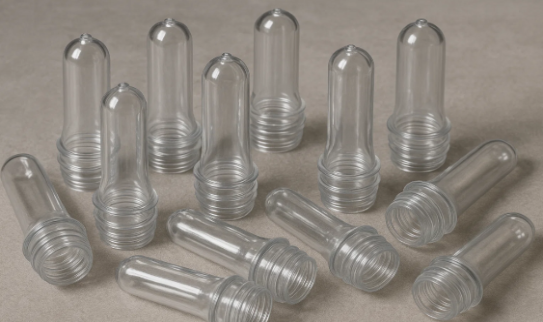
Are PET Preforms Eco-Friendly? PET preforms can be eco-friendly in a practical sense, but only under specific conditions. A preform is just the “starting shape” for a PET bottle or jar; its sustainab...



en
Are PET Preforms Eco-Friendly? PET preforms can be eco-friendly in a practical sense, but only under specific conditions. A preform is just the “starting shape” for a PET bottle or jar; its sustainab...
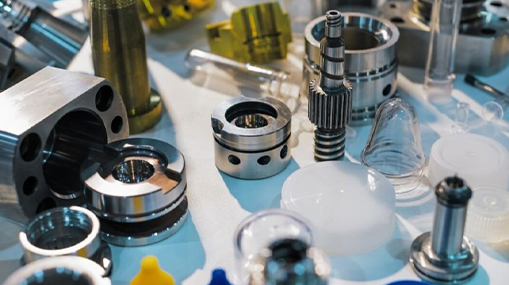
Introduction to Injection Molding Defects Injection molding is a widely used manufacturing process that enables the production of complex plastic parts quickly and efficiently. However, the process i...
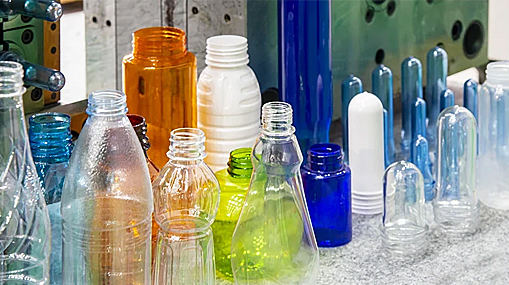
Understanding Short Shots in Injection Molding In the realm of plastic injection molding, a "short shot" is a critical quality defect where the molten plastic fails to completely fill the mold cavity....
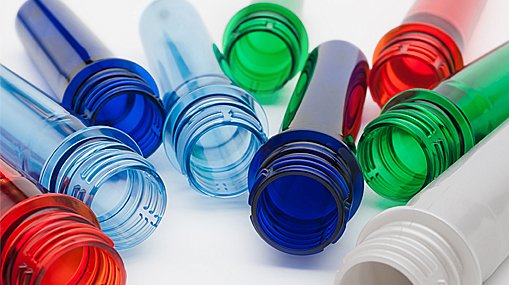
In the world of plastic bottle manufacturing, whether through injection molding preforms or extrusion blow molding, there is a common misconception that higher clamping force equates to a better seal ...
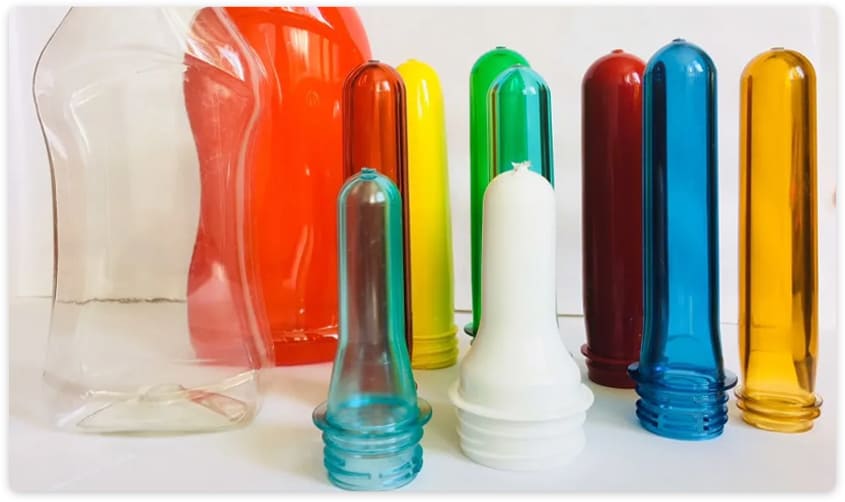
Understanding Color Mixing in Injection Molding Color mixing in injection molding requires precise control of pigments, base resins, and processing conditions. Unlike surface coating, color is built d...
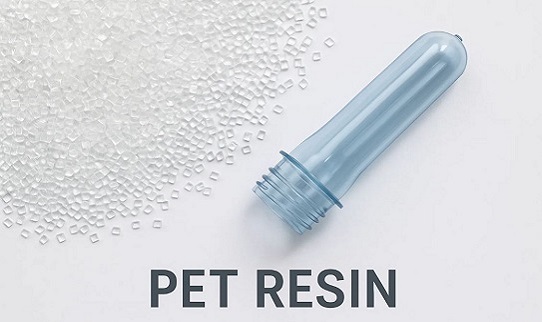
Understanding PET Melt Temperature in Industrial Processing Polyethylene terephthalate (PET) requires precise melt temperature control to achieve consistent flow behavior, mechanical strength, and sur...
Introduction to Pet Preform Neck Types Pet preforms are essential in the production of PET bottles, commonly used in packaging for beverages, cosmetics, and pharmaceuticals. A key factor that determin...
Understanding Insert Molding Insert molding is a manufacturing process where pre-formed components, often metal or other materials, are placed into a mold, and molten plastic is injected around them. ...
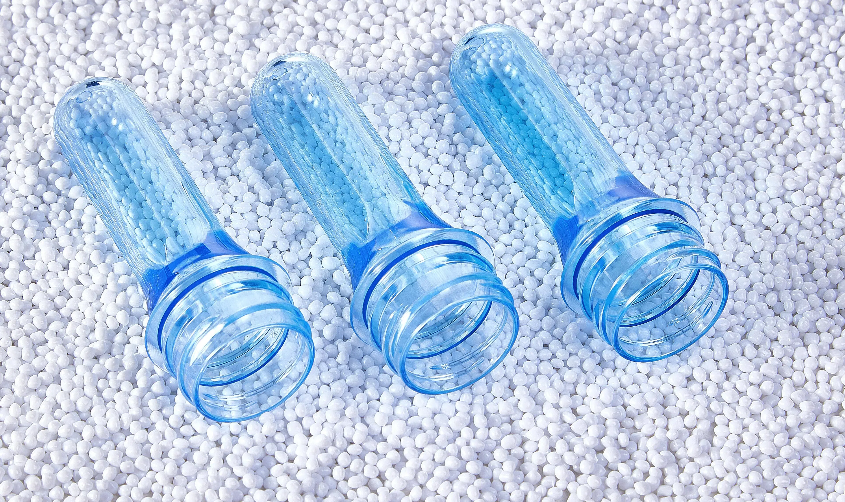
1. Raw materials & material preparation Plastic bottles for beverages and many consumer products are most commonly made from polyethylene terephthalate (PET). Successful production begins with cor...
Copyright © Foshan Honsen Plastic Industry Co., Ltd. All Rights Reserved. PET Preform Manufacturers